A New Lens on Saddlebreds: Karly Morgan on Tradition, Creativity, and Growth


In this episode of The Long Ride Home, Alex Husner sits down with Karly Morgan, founder of Saddlethreads, for a conversation about a lifelong connection to the American Saddlebred and the creative path that eventually brought Karly back to the horse world in a new way.
Through her work with Saddlethreads, Karly has become part of a growing shift in how the Saddlebred world is being seen and shared. She and Alex talk about the emotion that lives beyond the show ring, the role creativity can play in capturing it, and how photography, video, and modern storytelling can help introduce more people to a traditionally close-knit industry.
It is a conversation about finding your way back to what has always stayed with you, seeing familiar traditions through a new lens, and creating more opportunities for others to understand why the Saddlebred world inspires such a lasting connection.
🐴 In this episode, Alex and Karly discuss:
01:36 - Introduction
03:16 - How Karly Found the Saddlebred World
06:12 - Showing Yes It’s True at Just 13
10:35 - How Art, Communications, and Law Shaped Her Path
16:46 - Connecting Horses, Creativity, and Storytelling
18:48 - How Saddle Threads First Began
26:05 - The Turning Point That Led Her to Go All In
38:21 - How the Saddlebred World Is Adapting to Digital Media
41:36 - Why Reels and Candid Content Resonate
50:13 - Karly’s Vision for the Future of Saddlebred Media
This is a conversation about honoring where the Saddlebred world has been while finding new ways to share what has always made it worth coming back to.
Connect with Karly:
Facebook: https://www.facebook.com/karlyrmorgan/
Instagram: https://www.instagram.com/ikarlyrae/
Website: https://shop-saddlethreads.com/
Follow us on Social Media:
Facebook: https://www.facebook.com/thesaddlebredpodcast/
Instagram: https://www.instagram.com/thesaddlebredpodcast/
YouTube: https://www.youtube.com/@thesaddlebredpodcast
#americansaddlebredpodcast #saddlebredindustry #equestrianlife
SPEAKER_01
So he at that time had won the World Straight Championship. He had about 13 world titles. I was 13 years old. I had never even been to Louisville before.
Alex Husner
I think, you know, I've said this on this show, I think, before, but it's like the Steve Jobs quote: you can't connect the dots looking forward, you can only connect them looking back. And I'm sure even though at the time some of these things seemed like, okay, when does any of this connect? I think it does now.
SPEAKER_01
I was really investing a lot of effort into these dots that I cared so deeply about and terrified knowing that I didn't know how to connect them because I don't really know that anyone, everyone's dots are so unique. You know, how do I connect these?
Alex Husner
I think that's the biggest part of this, is there is so much emotion in this sport. But I think that, you know, up until probably the last couple of years or so, yeah, there really wasn't any of that emotional video real storytelling that that I had seen.
SPEAKER_01
But it has always been these past few years interesting to me that the candid photos and the reels have been the free thing that is used to sell the physical page in the magazine. And when it seems to me that the candids and the reels are really the thing that people really want and get passionate about.
Alex Husner
Well, and it's it's shareable, right? I mean, it's like the content you have is the content that people they want to share in their socials because even people that aren't in horses will immediately realize wow, that looks really cool.
SPEAKER_01
Once my vision was stable, I quit my job and I sold my house and I separated from my partner at that time, and I put everything in laundry baskets, including my dog, in my car.
Alex Husner
Welcome to the long ride home. I'm your host, Alex Husner. This show is about honoring where we come from, pursuing what still calls us forward, and trusting the power of timing in both life and in sport. Through honest conversations with riders, trainers, and leaders in the American saddlebred world, we'll explore the stories behind the horses and the people shaping the future of this industry. Come on this journey with me. Welcome back to the long ride home. I'm your host, Alex Huisner, and I am joined today by Carly Morgan, who is the owner and founder of Saddle Threads. Carly, so good to see you. So good to see you again. I'm really excited for today. I'm excited too. We connected probably, I guess now it's probably been a couple months ago, that I had reached out to you asking if you were gonna be at Asheville because I wanted to see if you could do one of your beautiful reels for Chapstick. And you're like, you're like, hey, no, it's it's me, Carly, because I didn't know who Saddle Threads was. And then we got on a call and realized we've got all these different things in common. And actually, you like are very close to Meraki. So we're gonna get to meet in person here at some point soon and do lunch, which is exciting.
SPEAKER_01
Oh, I can't wait. It's gonna be great. And Chapstick, I can't wait to shoot him. He's obviously a beautiful show horse, but also is so cute.
Alex Husner
Oh, thank you. Yeah, he's he's he's got the uh he loves to work the camera, so I think he'll be a good contender for you.
SPEAKER_01
Me too. It's gonna be so much fun. We've had so much great conversation leading up to today already. I'm just I'm so excited to dig in.
Alex Husner
Me too. But before we get started, so why don't you just share a little bit um for anybody who doesn't know you about your history and how you got into saddlebreads?
SPEAKER_01
Sure. So, Arlie, I'm from Bluefield, Virginia, little tiny town with about 5,000 people who live there, but it is also the home of the original Leatherwood farm. So Sultan Santana is buried across the street from the grocery store. And the original Bluefield, blue-gray horse show is there. A lot of people don't know that, that even live in the town. So my family had absolutely nothing to do with horses, much less the American saddlebred. But still, I don't remember a time that I wasn't captivated by horses. Horses generally, and then saddlebred sort of rose to the top for me. So when I was a little kid, I was at home reading the Thoroughbred book series about a little girl who grew up at her parents' horse racing farm and partnered with this great racehorse. Then I read Marguerite Henry's storybooks, like there's a 1951 book that she wrote that has a story about Rex McDonald and being a five-gated horse. And there's another little story called Legacy. And I mean, I read these books the same way that the little boys in my class were reading Star Wars. Like this is these are the heroes, these are the dragons, this is the greatest possible. I mean, it was, it was like almost like a fantasy land. It was just magic, and it always had that magical quality for me. So I think I was maybe five or six, maybe around that age. And my grandmother was driving me to soccer camp. And the stories my parents tell, I was a really good kid, never threw tantrums, apparently. But I saw a billboard on a hill with a horse trotting like this, and it said riding lessons here. So I threw my one and only fit in my life for her to take me up the hill, and she did. And she signed me up for riding lessons. And the very that was, you know, I was five, six years old, and I took one lesson on an old lesson horse named Sally. And let's see, I was six. So eight years, nine years later, I was showing Yes It's True in Freedom Hall. And it was quite a trajectory, and it was, I mean, it sounds so cheesy and like a business slogan to say the ride of a lifetime, but it was the greatest thing that ever happened to me.
Alex Husner
Yeah, and it's funny too, because I remember Yes, it's true back when I was showing, and that was probably what, like the late 90s, I'd say. Yeah.
SPEAKER_01
He won the three-gated worlds grand championship in 2001. So he was showing prior to that, and then he won the three-gated worlds grand championship in 2001. It was pretty crazy. So I took lessons at that farm. We had one or two kind of local country pleasure level horses, but I was very committed. I mean, I was in the barn all day, every day, and my parents saw that commitment and decided to move us to Mercer Springs Farm. My sister and I, my sister also rode. And we rode there, and Smith and Alexandra and Sandy sort of assessed our commitment level and our riding skill and all of that. And then Smith sat down with my parents and I and said that he'd like for us to go try, yes, it's true, for me to purchase.
Alex Husner
So wow, you know, let's let's just go all in. Why not?
SPEAKER_01
I mean, why not? So he at that time had won the World Screen Championship. He had about 13 world titles. I was 13 years old. I had never even been to Louisville before. And Smith sort of said to me, not in so many words, you know, if you want to do this, you have to be committed to learning how to ride in effectively like a trainer. And I was all in. I mean, it felt like everything I ever dreamed of had come to pick me up. I worked my tail off. And and what year was so when did you buy him? So I was 13. So I think that was 2008. Okay, so this was like the fall of 2008.
Alex Husner
Okay, got you. Wow. And where did you buy him from? Who was he with at that point?
SPEAKER_01
So we bought him from Paul and Betsy, and they were so supportive, so wonderful. And funny enough, one of the girls who shot for me at Louisville, Lindsay Goodrich, she rides with Paul and Betsy now. Awesome. Um, but oh yeah, we're still very, very close. And they came to our first show. They were so supportive on the journey. And I'll tell you, it was a huge blessing to be able to partner with him in the show ring and to have success and to be a part of that legacy that he had. But the biggest part of it for me was just being his person. You know, he was a stakehorse all of his life, very serious. Maybe his soul had gotten a little angry at some point, you know, very hardworking guy. And to just see his heart melt and become really like best friends and partners. Like I'm we're what a couple minutes in, I'm already getting drinked up about that. But yeah, but I mean, it was that was it was the honor of a lifetime. That's my horse, man.
Alex Husner
That's so cool. Yeah, and it is. I mean, for a horse that they've been, you know, the true professional horse their whole lives, and they're still a professional with you, but it is different when they have their person and they've got someone that's loving on them, and you know, they're so smart, they know all those things and they feel your emotions, and I think they mirror back to us so much of who we are and and where we are at the time that we have them. So very, very cool. So, okay, you had guess it's true. How long did you guys show together?
SPEAKER_01
So we showed together 2009, 2010, and then there was one year at Louisville. I was showing at the same time as Hunter Chancellor. So we qualified right behind McDreamy. So we were very excited for you know to go back in the championship. And he found her, he really acutely foundered. And his groom, I mean, he wasn't even symptomatic. And his groom, Lencho, just told us that something was wrong. So we said, call the vet. And within 10 minutes, it was like all of Rude and Riddle was at the back barns at Louisville. He was inpatient for four weeks, and they said he would never walk again, he would never trot again, he would never all this kind of stuff, and he made a full recovery. And we showed yeah, he did. He really did. And we showed a whole season after that. We were reserve grand champions at Lexington. And then at that time, Ace, I'm not sure what it is now, but A Shaf had a big like Saturday night show where they would give like USCF regional things like that. So it was a three-judge horse show, and we won that at the end of that year unanimously. We were really excited to have a comeback for him. So we effectively retired him after that. Okay. So, and then we brought him home and I rode him up the hills. He lived at Mercer Springs for the whole rest of his life, which was about 25 minutes from my house. So it was just perfect. And I mean, he lived the retired life. I try you know, we phased him out of work and, you know, got him comfortable living outside. And I trail rode him for quite some time. And then he was fully, I mean, to call it a pasture is kind of an understatement. It's like several acres back in the woods. There's a creek that runs through it, and he lived there for the rest of his life. So it was really a blessing that the you know, the lilies took really great care of us, not just while we were showing, but afterwards too. It was amazing.
Alex Husner
That's I mean, to know that your horse was taken care of at that stage too is is a wonderful feeling because that's what we all worry about. So that's great. So okay, at that point then were you going to college around that same time?
SPEAKER_01
Yeah. So when right around when he retired, so a bottom when I was about 13, and then when we were retiring him, I was going into college. So I went to Wake Forest, and it's, you know, people call it the Harvard of the South or whatever. And it's there's actually quite a few horse people that have gone there. McGee Bosworth went there, Ellie Kanger went there, Brooke Jacobs was went to Wake and was also in my same sorority. Oh wow.
SPEAKER_00
Um, so small world.
SPEAKER_01
And then Nissa Sultan, yeah, Nissa Sultan went there, all sorts of saddlebred girls there. But I'm sure there's some I'm forgetting, but it's a great school. And I sort of went in with this mindset that I was just gonna sell my soul to the business world to be able to afford saddlebreds and competing at the level I wanted. And I mean, I I had the academic ability to do that, but I sort of figured out pretty quickly that I was the type of person that if I didn't follow my passion and my career, I wasn't gonna be as effective.
Alex Husner
I wasn't going to be as full fulfilled, yeah. We wouldn't be as fulfilled, I'm sure, too.
SPEAKER_01
You know, you can ask Smith and Alexandra from me loitering their stables for a decade that, you know, I can work hard and I want to, you know, when I'm passionate about something, I want it all day, every day, 24 hours a day. My dad would drop me off at five in the morning on the way to surgery and pick me up when he was done before I could even drive. And like I wanted that in my career. So I shifted my path formally over to arts and communication. And I mean, art has been a huge part of my life forever. I just never imagined that I would actually get to pursue it as a career. And the way that I got started in art. So my dad's a surgeon, but he's also a really good artist. And I was the oldest in the family. So when I was little, he was still doing quite odd hours in the hospital.
SPEAKER_00
Let's just say that.
SPEAKER_01
Not exactly doing those hours anymore. But there were times I would leave out a drawing for him on the kitchen table and I'd go to sleep. And he'd get home after I'd already gone to bed and he would draw the same picture with little instructions on, you know, oh, try drawing it this way, try it this way. And then he'd leave me a picture to try to draw and I'd draw it for him. And then when we were together, you know, we would draw together. And I just loved pencil drawing. There was a time in my life where I mean, I was doing that professionally. I was doing graphite drawings and then oil paintings and things like that. It was amazing to study that at Wake Forest. I was in a conservatory with about 20 other kids who were just fabulous artists. And um, as far as I know, all of them are all professional artists still. Our professor was Paige Laughlin, and she's an incredible artist. If you have any interest in art in the Carolinas, you've got to go see her stuff.
SPEAKER_00
Okay.
SPEAKER_01
So we I was doing graphite drawing and oil painting like I'd always done, but I was also doing photography, videography, editing, film history, film analysis. I mean, I that's what I was studying in college. And then I paired that with communications, which, you know, I was doing marketing, research, but also rhetorical theory, like speaking, communicating, all of those sorts of things. And I just I loved it, I loved it. You know, I went from making, let's just say, grades that weren't characteristic of weren't straight A's, which is not what I was used to in like economics and whatnot. And, you know, as soon as I was back in my lane, I was just thriving and I was so happy, but also totally uncertain about what the future looked like. Yeah, yeah.
Alex Husner
Well, it's interesting too to have like two different sides of the brain that are both working in unison. I mean, normally people, if you're very artistic, you're not good on, you know, the other side of it where you're I know you're gonna go here in the legal stuff, but it that's yeah.
SPEAKER_01
If I'm passionate about something, I'm gonna work hard at being good at it. You know, I work so while I was in school, I got to work for Alan Bosworth's media company, um, Irwin Penland. They have a really elite program there for young, aspiring marketers to work on the best accounts. And I was really grateful. It was, you know, an objective application process through all, you know, and I was I was really grateful to be chosen for that. And I was working on Chick-fil-A, Voya, Disney XD, Denny's, like all these incredible accounts. Chick-fil-A was the one I was on mostly. And I started getting involved with their legal team. So just hearing, you know, tidbits of trademark or, you know, working with Disney, like if we want to tie in Lucasfilm on this menu item, you know, how does that work in terms of the rights to the images? And then the concepts of, you know, who owns the images, the concepts and how do they own them became really interesting to me. And I knew that I wanted to pursue graduate education. I just didn't know in what. So I took the LSAT and got some scholarships and went to Pittsburgh.
Alex Husner
Wow. Were you still riding during any of that time period? Or did that did coming back to the sport happen after school?
SPEAKER_01
So it was definitely tough. I mean, when I was, you know, a senior in high school, I was in it 24-7 all the time. And then when I went to college, the level of study at Wake Forest, I didn't have the time and space for that. I mean, I had my walls were covered. Yeah. And I mean, financially, you know, Wake Forest is expensive. Yeah. And my walls were covered in my dorm pictures of horses, and it's all I looked at. And I'd visit every time I went home. And I did lease a little gated Philly from the Lilies my first summer after college. And I was really grateful for that. But then after that, I did some with the Wake Equestrian team. So I did the like the jumping and the dressage, and it was really fun. They were really impressed about the sitting trot. And I was like, it was just it's pretty flat down there. So it's not a lot of hawk action here. I'm just sitting here. Like with what we're used to, yeah, you know, yeah, not so bad. I wasn't at quite as far, I would say, estranged from saddlebred world at that point. I mean, it's my whole life. The saddlebread industry, since I was five years old, it's been my whole life. And even just having a foot outside of it for college was devastating emotionally for me. That's another thing that makes me good at this job. I have a lot of feelings.
Alex Husner
Well, when you're when you're doing something you love, I mean, that's just makes sense, you know. And you know, just hearing what you shared so far, Carly, even about what you ended up loving in college, as far as you know, the editing and the video and and like seeing that creative part of you beyond just the drawings when you were little, like, you know, that it makes so much sense for where you are now. And I think I've said this on on this show, I think before, but it's like the Steve Jobs quote you can't connect the dots looking forward, you can only connect them looking back. And I'm sure even though at the time some of these things seemed like, okay, when does any of this connect? I think it does now, you know. I mean, it makes a lot of sense.
SPEAKER_01
Yeah. Oh my gosh. I mean, that's just perfect. I feel like I need to get a tattoo with that on this. I felt like I was just, I don't want to say wandering because I was really exerting a lot of effort. You know, you're not really wandering when you're getting honors in law school and at Wake Forest and stuff, but I was really investing a lot of effort into these dots that I cared so deeply about and terrified knowing that I didn't know how to connect them because I don't really know that anyone, yeah, everyone's dots are so unique. You know, how do I connect these? And I really think that what it comes down to for me between the graphite drawings or a full reel or a commercial or something like that is just I love communicating emotion, like communicating. I want in the same way that a little kid sees a person they really admire and draws a picture that they think is gonna capture that person and just presents it to them, just humbly. Like I really hope that this makes you feel the same thing I feel.
SPEAKER_00
Yeah.
SPEAKER_01
And I think graphite drawing was the best way I knew how to do that then. And then now I mean, a real, I don't want to say it feels like the same thing. It's just I've learned more tools to capture and communicate those emotions more effectively.
Alex Husner
Yeah. And I think that's the biggest part of this is there is so much emotion in this sport. I mean, I and I get choked up all the time too. And I've had guests on the show so far that they, I think at least two or three of them have as well. Cause it's like we all love this sport so much and we love the horses, and it just becomes so ingrained in you when you've worked so hard for something and something that you love and you're so proud of. But I think that up until probably the last couple years or so, yeah, there really wasn't any of that emotional video real storytelling that I had seen. And that's kind of part of how you and I connected. But you've done an incredible job of really bringing these horses and those moments to life. And I think that's where the future is going with where people want to be able to see media and how they want to be able to consume what's happening. And I think you've done a tremendous job with it. But maybe share a little bit about like how you started saddle threads because it started a little bit different, I believe, right? It wasn't just it wasn't world at first.
SPEAKER_01
It did, it was very different. And I started because I was in law school and I had inklings even when I was in law school and doing well, that I knew I didn't maybe necessarily want to be a traditional lawyer forever. That, you know, I I had every, you know, every every legal job I worked, I put my full effort and commitment into that. But I just I didn't see myself being a lawyer when I was 70, you know. So I really I was in Pittsburgh. Um, I was very, very blessed to get to ride with Buren Stables with Lauren Buren. I mean, when I tell you she gave me opportunities, I was a student. I didn't have two nickels to rub together. She let me design stuff for her, you know, for riding lessons and to show things that were for sale and what have you. But anyway, so I I was really feeling disconnected from the saddlebred world that I knew because as grateful as I was for Lauren, you know, all my friends and family in the Carolinas and in Kentucky that, you know, I was still watching them from afar. So I started just making these designs. I sort of realized that we didn't have any clothes, like any saddlebred clothes. My, you know, like I was in a sorority, as I said, and I loved the t-shirts. I designed the sorority t-shirts. Yeah, yeah, yeah. You know, all these kids are wearing, and when I say kids, I mean, you know, 20-year-olds are wearing their sorority t-shirts, their college t-shirts, their sports teams. And I thought, well, we don't have anything like that, you know. So I just started making designs generally for saddlebreds, you know, hunter designs, Wester designs. I was helping qualify Vamoose for the first Louisville at that time. And I, you know, and in conjunction with that, I was on the marketing committee for the saddlebred association back when it was the American saddlebred horse, like ASHA. I was on that marketing committee for several years. And we had talked about things like that. So I just made designs that I would want to wear as a horse person. And I think there was a paragraph on the website way back then, you know, eight years ago now, that said your people wear soccer shirts, basketball shirts, you know, and it when you do that, you're not just communicating your interests to the people around you, you're exposing them to your interests. So I was hoping in a way the t-shirts were marketing for the industry, sort of, you know, bringing that just lifestyle element to the apparel side of things. So I was making designs and it was when I say primitive, I mean I was making every single design by hand. I still do every design you see on saddle threads, I personally make by hand, but there was no online sales software. There was me like hand coding each sale button one by one because there wasn't any. Oh my God, wow. Like it took me weeks to put up five or six shirts, but I did it because I loved it. I mean, I would say up, I'd work all day at the law firm or at school or whatever I was doing, and then I would do this all night long. So I loved that. And then people came to me and said, you know, hey, we really would like to have our Barnes logo on some clothes because we don't have that. And I thought, yeah, like we really don't. Like if I yeah, you know, I we've told this whole story about yes, it's true and about how much Mercer Springs means to me and my life and all this. And I didn't even have a hat. Yeah. Yeah. Like a Mercer Springs hat.
Alex Husner
There was no branding.
SPEAKER_01
And I mean, I remember maybe there was an order every now and then back then. Like I had a rain, an old raincoat of Sandy's that I still have. It's right there. Sorry, Sandy. But like, you know, there was nothing like that. So I sort of really just put my head down and dug in and built this whole thing for stables to come and set up their logo with us. And I never asked one barn if they wanted to do it. Yeah. I just put it out there and said, this is what we're doing. And the response was overwhelming. I mean, we've done calorema's clothes for seven years. You know, we do Matt Shifflets and God, I can't even the the visors and Mercer Springs and but all the way, you know, all the way across the spectrum. Of course, we also do the Burins. We also do your local barn. We also do your tiny lesson program. Like the size and scale of the barn, of course, we're appreciative to have these big names that I've looked up to all of my life. But we put the same detail and care into attention no matter what the scale of your program is. You have the same quality available to you. So I'm I'm really proud of that aspect of it. But then, you know, as I was digging back into design and horses, I started digging back into it. Really started with ad design. Chris Thompson from Saddle and Bridle asked me, I love Chris forever. Asked if I would do some designs for the magazine. I think I was getting like 35 bucks a page to do these designs or something. And it just for fun, then I was like, you know, this is really fun.
Alex Husner
I really enjoy this. Yeah. How do I figure out how to do more?
SPEAKER_01
Yeah. And it really became there was a while where I was calling it Red Horse Media. Um, because that's that's what was so interesting about it is it was all under Carly Morgan fine art for a long time because I was selling my drawings and paintings, and then the clothes were like a tab on that. And then I thought, well, that doesn't really make sense because a t-shirt's not fine art, right? Right. And then I was doing the ads and I was kind of calling that red horse media. And I was like, well, and I was doing a lot of white label projects under that. I mean, I we were doing stuff for Ashba, doing stuff for big stables, but you know, but I wasn't advertising that because I didn't want to over-advertise my scope at that time, still practicing law. So that's when I came up with the name Saddle Threads and the logo. And I sort of stopped doing as much of the drawing and painting and really leaned more into the clothing and modern marketing aspect. And that was about seven years ago that we said, okay, this is saddle threads. We got the registered trademark and we set to work.
Alex Husner
Yeah, no, that's great. And it makes sense. It's like, you know, you didn't come up with something that wasn't being done. You just brought something, make it so easy for everybody in the industry. And, you know, that there's a huge benefit to that of like, I've actually bought some stuff from your website before you and I had even like collected the dots there. I'm like, oh my gosh, this is crazy. I've got at least three or four tank tops and hats of Meraki Farm that I love. But the cool thing is that you don't have to order like 50 t-shirts at a time, you can do one off, which is great. So it's like, you know, if somebody from the barn wants to order something or if the barn wants to order in bulk, like you just make it easy and to have the storefront is really cool. Right.
SPEAKER_01
And I'll tell you the truth, that was really the thing that got me passionate about it, is because Mercer Springs has always been smaller on the people side. Yeah, right. We never had a hundred customers in that barn that world-class horses, but you know, there was eight of us sitting in the stands together, right? Yeah. So I couldn't get stuff because we couldn't do groove orders.
SPEAKER_00
Yeah.
SPEAKER_01
So I that was the thing is, you know, did we invent the concept of putting a logo on a t-shirt? No, we did not.
Alex Husner
No, we just brought it to the people to make it easy for them.
SPEAKER_01
Right. And it was really, it was a huge. I mean, we have supplier contracts with probably 70 different suppliers at this point. We've got, you know, we use the same shop tech that Louis Vuitton uses for their website. It's just really grown and expanded. And I'm grateful.
Alex Husner
And so at what point did you decide, okay, we're gonna expand this and it's actually gonna be, you know, the digital component now too, with the reels and the pictures?
SPEAKER_01
Yeah, honestly, it's it was sort of it was a very gradual and natural process. So there was a point in my life when I envisioned that it would sort of stay me practicing law and having this apparel business also forever. You know, that was something that I okay with that. I wasn't over the moon happy, but I was okay with that. But then I had a little bit of a health scare. And I, you know, have my glasses now. I didn't have glasses before this. Oh, really? I was diagnosed with something called pseudotumor cerebri, which is Latin for false brain tumor. Yeah. So essentially what happens is um it's idiopathic, which means they don't know why it happens. Your spinal cord overproduces cerebrospinal fluid. So if you've seen like little babies with hydrocephalus and their heads expand from too much fluid, yeah, that's what happens to those babies. But if it onsets in you as an adult, your skull is fused already.
Alex Husner
Oh my goodness.
SPEAKER_01
So I had too much fluid around my brain, and the only way out is around your eyes. So it crushes your optic nerves and it can make you go permanently blind.
Alex Husner
Oh my God. Wow.
SPEAKER_01
So yeah, so I was in Pittsburgh doing the legal thing, and I started to see static in my vision. They call it visual snow.
SPEAKER_00
Oh my goodness.
SPEAKER_01
And I thought, you know, I'm just tired. And then things got a little blurry, and I I, you know, I'm reading a million pages a day and probably just tired. So I went to my eye doctor and she looked in with the the vertical light and she came back and her face was green. She said, You need to go to the hospital. So she said, You either either you have a brain tumor or you have the rarest illness that's ever sat in my chair. And I'm like, Well, I don't really know which one's better. Yeah. So I went to the hospital, and luckily, Allegheny Hospital in Pittsburgh has one of the very few centers in the country that's has a doctor who really treats this. Eric Happ, he saved my eyes. Incredible doctor human. He was amazing. So I had to have some spinal taps to just get the fluid off. Um, we did steroids, we did diuretics, I lost some weight, I gained a bunch of weight, I things were changing. And technically, at least when I was being treated for it in the medical literature, there's no cure for it. So either you stop the visual loss where it is, or you can't stop it and you go blind eventually. Oh my gosh. Um, there are other interventions they can do, like they can put a shunt in to take fluid off your brain down into your stomach. I mean, it's a it's a serious thing. So it was a pretty serious thing. So I was in treatment for that for several years, and my vision was really steady and I was miserable because I hated my work, I hated my life. I always loved the people I worked with. The people I worked with and worked for were lovely, but I missed horses and I was miserable and I just wanted something else. So around that time, Dr. Hap suggested that we stop treating it and see what happens. And I said, Well, you know, I thought this wasn't really curable. And he said, Why don't we try? So we stopped treating it, and my vision still has never gotten any worse.
Alex Husner
Wow. So what a what a journey. I I didn't know that about you. That's one part of it.
SPEAKER_01
Wow. I mean, if you can't see, I mean, I know there have been people who are blind and horses who are blind who have been able to ride, but you know, not a gated horse full speed in a full class. And, you know, certainly would make taking pictures and doing art very difficult impossible.
Alex Husner
Yeah.
SPEAKER_01
So once I got that, you know, once my vision was stable, I quit my job and I sold my house and I separated from my partner at that time and I put everything in laundry baskets, including my dog, in my car. And I drove to my parents' house, and then I got an apartment in Winston-Salem, and I went full time with saddle threads.
Alex Husner
Well, everything worked out as it was supposed to, but again, connecting the dots, looking back in that moment, I'm sure you were just like, oh my God, now life is gonna change significantly, and everything that I've wanted to do is gonna be completely different. You know, that that's gotta had to have been very scary. But you're okay and your glasses look great.
SPEAKER_01
Yeah, the, you know, I don't love the glasses, I don't love this. We're working on both. I was grateful, but also just motivated. It was a huge risk. I mean, at the time when, I mean, I'll just put it this way, just to be totally honest. What at the time when I stopped practicing law to do saddle threads full time, I mean, saddle threads wasn't even making enough to fully pay all of my bills at that time. I just was like, I have to do it. I have to dive in, I have to give this a full chance. And now I have a gated horse and training.
Alex Husner
So, like that's amazing. That's amazing. And I mean there's something to be said for taking that leap, even though you don't know what's really on the other side of it, and that can be very scary professionally. And I've done that a few times in my career, and it's like, you know, every time you get to that point, one thing I found that helps is just remembering that you've done it before to carry you forward, right? And it's like, you know, you've obviously been through a lot in what you've been through health-wise and the different pursuits you've done. But this is exciting, and I think you're kind of on the cutting edge, I would say, of bringing this type of media and these types of businesses into the sport. And it's gonna be fun to continue to watch where this goes. And I'm just excited for you to do the first reel for Chafstick and I.
SPEAKER_01
I can't wait. Yeah, and I'll tell you, I would be remiss to go through that part of the story without mentioning Marissa because she shot for me at Louisville the whole time. I mean, I don't want to say for me, for us, you know, she she's a huge part, huge part of saddle threads now. But when we went on our first date, it was about a week after I quit practicing law threads.
SPEAKER_00
Wow.
SPEAKER_01
And I'm like looking at this person on a first date, telling her, like, oh yeah, I was a lawyer, but now I'm gonna do this. And she said, okay. She said, awesome. She said, I it's gonna be huge, it's gonna be amazing. I mean, never once doubted my number one supporter has made me a thousand cups of coffee at two in the morning, you know, and stood on her feet for almost two weeks at Louisville on the concrete shooting. Oh, she should do a video. Wow, yeah. So her mom was a photographer, she's like my little secret weapon.
Alex Husner
Yeah, gosh, what a great match.
SPEAKER_01
I mean, she had never done any work like this before we met, but I mean, when you look at the reels from Louisville, it's really about a third my footage, a third hers, and a third of Lindsay Goodrich's. So they're incredibly talented. But we were down there and I was editing videos, and Marissa was in the kitchen of our Airbnb making us something to eat after the show. I mean, she's all in, I couldn't do this without her.
Alex Husner
Yeah, no, that's great. And it's an interesting feeling when you have an idea and you want to do something, but when you tell people and they also confirm, oh yeah, you should do that. And your mind, you're like, I don't actually know if I really should do this. But when somebody else says that, you're like, are they as crazy as I am? Or like, am I really onto something? You know, and that's I felt that way at many points in my career too. And you know, you have to listen to the people around you that they know you and they can sometimes spot or see an opportunity in a different light than you. And it definitely helps having somebody in your corner to champion you in that for sure.
SPEAKER_01
It does, it does. And I mean, my grandfather, um Papa Doc, we call him, he's like the entrepreneur of the family, owns a bunch of businesses and stuff, and he always took it so seriously. I mean, when I was bringing him PL statements that were like five figures, yeah, he would sit me down and talk to me like we were talking about Apple.
SPEAKER_00
Yeah.
SPEAKER_01
And these days, like it buys his Christmas presents, and he's so proud. And like, you know, my mom and dad and Mama Carol and everybody, I mean, were they a little concerned at first? Maybe. Yeah, yeah, yeah.
Alex Husner
But they're so proud of it. When you when you decide you're gonna do something, you're gonna do it, and you dedicated yourself to it. And you know, I think like-minded people end up finding each other, and and you know, I very much feel the same way about things that that I go after. And it's good to have people that are similar to that, and and it's and it's inspiring. So when I heard about everything that you're doing, I was like, that's really cool.
SPEAKER_00
It's a lot of fun, yeah. Very scary.
Alex Husner
Yeah, I mean, if you can find a way to to tie what you love into a business as well, then you know, you never work a day of your of your life, really. That's the same.
SPEAKER_01
That's what they say, isn't it?
Alex Husner
Yeah, yeah. Still a lot of work, but at least it's fun work. Okay, but it's more fun than it's been a lawyer or going continue.
SPEAKER_01
For sure. For sure. I mean, I'm hungry to make every reel. Like, I'm still sleeping three or four hours a night after Louisville because I'm like, oh my god, the footage is so good, and I can't wait to put it to the song that we picked. And I just I love it. I love it. It is my passion.
Alex Husner
And so I'm curious, how does the process work? So, I mean, if if anybody hasn't seen your channel, it's saddle threads on all the socials. But um, if somebody wants to do a reel and you shoot it at the show, then like what happens next as far as how you're, you know, the creativity and and how it comes to life.
SPEAKER_01
For sure. So we book the reels before the show, depending on the size of the show and how many we're anticipating. If the blue filled, blue-gray, God rest her soul, horse show was still alive. You could probably just ask me to do it there for something like, you know, try-on or something like that. There's going to be a booking process before. For Louisville, it's a pretty intensive booking process before. Once we do that, we get to the show and we shoot for you. You might see the lens if you're looking for it, but you shouldn't know what we're there really. We're not, you know, I mean, unless it's a smaller show or we might have time to come back to the barn, you know, we want to capture the moment. We're not posing you, we're not choreographing anything. We are observing. And when I say we, there are times when it's only myself at a show from pretty much this point forward, it'll always be at least Marissa and I. And then there are other shooters, um, like Lindsay, for example, who work with us and we're gonna be hiring. So get your cameras ready, folks. So hopefully a couple more full-time shooters and you know, whoever's there with us, that's you just ride your horse, you interact with your family, your friends, you do your thing, we will capture it. And then we get back, process all the data. It's a lot of data. It is a lot of data. So the footage that we shoot, um, the average Hollywood film, what I was taught in school, what I understand, is roughly 30 to 40 frames per second. Ours are a minimum of 60 frames per second, and they're shot in a minimum of 4K. So, for what that means for a lay person is if you see like a high-resolution Howie photo or Doug or whomever, we are shooting 60 of those every second.
Alex Husner
And that's how you're able to add the animation and everything to the videos. I mean, that that can't be done. I've tried to do it from my iPhone, but not successfully.
SPEAKER_01
Right. And that's so what happens is you know, you can take a video on a cell phone or any video at all and put it in slow motion, but all slow, and I'm sure you know you know this, but all just for the folks out there, all slow motion is is a video is a series of frames. It is photos effectively shown to you quickly enough that your eye interprets them as movement. So when you're putting something in slow motion, you're simply showing those frames more slowly, right? So what happens is if you're showing a cell phone video in slow motion or any video that has a low frame rate, the frames being what's shown to you, that's why it might look like this in slow motion, because there's not enough frames. There are a lot of programs these days, especially on the phone, where they use a form of AI, but I don't know that I want to necessarily call that AI, but something adjacent to that to sort of fill in the gaps between those frames. So that's where you might see a slow motion that looks smooth, but it's blurry because that information's not actually there. The computer's making it up. Right. So ours, you are seeing full resolution in slow motion. That's why it looks so good.
Alex Husner
Yeah, no, and they look tremendous. And I mean, what's your vision for this, Carly? Of like there's other content creators out there. I think the more reels and the more, you know, more modern media that that is is available, I think it just is gonna help grow the industry. It's gonna grow awareness of the horses. But like, where where do you see it?
SPEAKER_01
I think it's gonna continue to grow and change for a very long time in ways that we can't possibly anticipate. And I think that both myself and Saddle Threads as a business are really uniquely equipped to surf that wave as it comes, because that's what we do. You know, we've been doing that since I started it almost 10 years ago. But I think in the immediate present, looking at the past, the present, the future, for the past hundred years, the main communication in Horseworld has been the magazine. This is, you know, before social media, before even the telephone was commonly used, much less getting into cell phones. You know, if you wanted to know something about horseworld, you receive it from the magazine. If you want to communicate something about horseworld, you distribute that in the magazine. I don't think the magazines are obsolete in any way. I think they absolutely serve a purpose. But what's happened is if this is the magazines and this is horseworld, right? And it was the source of information, it's not that this has gone away. It's that technology has created a space where there are more places where information is not only sent and received, but expected. So if you say 1965 or 75, the information is expected to be in the saddle horse report, the national horse. Right. If you think of maybe even 2000, right? A horse stable is not expected or needed or even considered to be on a Facebook page. It might be very cool and innovative to have a website. Yeah. Fast forward to 2015, 2016. You're pretty well expected to have a website and you should have a Facebook. It's cool, but it's okay if you don't, right? In 2026, it is expected that a stable has a website and is on social media. That is just in the same way that a prominent business in a town is expected to be on mainstream. These businesses are expected by the consumer to be in these places of media, in these places of communication. So it's not that the magazines don't matter, it's just that they're no longer the only expected place for the media.
Alex Husner
Well, because I mean people want to be able to go somewhere to get more information. I know when I came back into this and I was looking for barns in North Carolina and I'd found Andrea and a horse, and then I'm like, okay, well, let me see what else I can find out. And she doesn't have a website. A lot of the barns in North Carolina that I was looking at did not have a website, but they did all have a Facebook page.
SPEAKER_02
Right, right.
Alex Husner
At least that, you know, so which that was fine for me because all I really wanted to see was, you know, the horses that she had and the barn and you know, just kind of get a little bit of a feel. So it's super important because if you're somebody that's trying to get into this or getting back into it or trying to find a barn or buy a horse, you're not going to wait until the next month when the magazine comes and hope that you find what you're looking for in there. I mean, people want access to media immediately.
SPEAKER_01
So, in the same way that if you picture the magazine, like, okay, the information about what horses got, you know, people forget that's where people got their show results.
Alex Husner
Yeah.
SPEAKER_01
Yeah, exactly. From the physical page, not from saddlehorsreport.com, you know. So if that's where you're getting your information and then the advertisements for the horses, which is the pages with the pictures on them that we're so used to, the reason that those were put there is because that's where people are getting their information and they want it to be seen. So now the place where people are looking for their day-to-day information, their day-to-day media consumption is on social media.
SPEAKER_00
Yep.
SPEAKER_01
So I think there was a brief period of time where there was some media on social on email. The magazines obviously do some of it. And I think there's a few that may dabble in that, but there hasn't really been yet in our industry a non-print magazine affiliated, strictly digital media company yet. And I've been really excited to go towards that for years now. I mean, I've been, you know, studying, researching, purchasing equipment, doing all of that, like getting ready to move into that space. And I think it's sort of, you know, I like I said, love the print magazines, love the people who work for them, have great relationships with them. But it has always been these past few years interesting to me that the candid photos and the reels have been the free thing that is used to sell the physical page in the magazine. And when it seems to me that the candids and the reels are really the thing that people really want and get passionate about. So I said, you know, why don't we put invest our effort into making those the best that they can be? And when I say the response has been overwhelming, I know that has is a phrase that's almost become cliche. I mean, we had 198 that we filmed at Louisville this year, our first year. Wow. 198. And we could have taken more. I wanted to make the schedule very conservative, very balanced to make absolutely sure that we could give every entry who booked with us full effort. This year, I mean, of course, there was profit involved, but my focus was first year being excellent experience for Kentucky venues for us and for our customers. And it was, and it really was. I almost forgot even that my car got stolen. It was just one more thing to add into the craziness of Louisville, but it is, it is, but so you know, that's the past, the present, and I think the present to future, like where we're immediately going, is I don't want to just call it a digital magazine because I think that's a disservice, but I think you can use the framing that our industry understands about what a magazine is to help. Help understand what we're doing. So, our goal for this as a living thing is we go to the horse show, we film. Filming at a horse show is a highly intensive process. We are on our feet all day long. We're filming all day long. The data we were talking about earlier, it can take three to four hours to even get it off the camera, right? So this is not something where you're going to be getting full-length reels during the horse show. Um, and that's something that people are learning to understand is this is simply not an instant.
Alex Husner
Well, and the funny thing is, it's like, you know, that's one thing that I've I have loved about coming back is that you can get your Richfield video, you know, within an hour, which I mean used to be the oh yeah, go up, get your VHS tape, go, don't get to watch it till you get home. But I think that's kind of wonderful upgrade, you know, to current times. But that probably has some people shaking and same with the pictures. They're like, oh, I'll just get this immediately. But it's like, no, this is this is like think about like if you've had a wedding and you have a videographer that's there, you're not getting that video right after the wedding. It still has to be edited.
SPEAKER_01
So absolutely, and that's the thing I'll say too is Richfield. You know, people ask us often how what does saddle threads have to do with Richfield? How do these coexist? They're totally two completely different things. I mean, Richfield is like the ESPN of our industry, you know, and I really think people don't fully appreciate what they have to do to produce a live broadcast with the quality that they do. I mean, cables under the floor at Louisville bundles this thick, running for miles. And I mean, Paul, who does the Outgate videos, I mean, he did America's next top model. He did, you know, he's an incredible videographer, and so many of them are. So I have, you know, we have all the love and respect for Richfield. It's just a totally different thing, you know. The event coverage, the ESPN, the they've got these memories captured in such an informational and also beautiful way. Ours is just very artistic and very marketing.
Alex Husner
Well, and it's it's shareable, right? I mean, it's like the content you have is the content that people they want to share in their socials because even people that aren't in horses will immediately realize wow, that looks really cool. And that's you know, that's pretty neat. But most people aren't just sharing a full class on their socials because not everybody wants to watch that or understands what they're watching, but yours is it's more snackable.
SPEAKER_01
It's more snackable, and that's the thing, you can't live on snacks, but everybody wants a snack, right? We're kind of like maybe dessert or a snack, like because I need my whole class because I need to see like what did I do wrong? What did I do right? Like, what if the horse is for sale and I need to show a canter transition? You know, what if somebody bumped into me and I need to report it?
Alex Husner
If somebody has their class recorded on Richfield, can they give you that footage to make a reel from it?
SPEAKER_01
So we don't have any sort of arrangement with Richfield like that at this time. I would say generally no, because I don't want to infringe on any of their copyright, anything like that. There have been one or two where it was full-time clients of ours who had a Richfield video at a show that we weren't able to go to and they bought the video and they, I don't want to say begrudgingly, but I put the Richfield logo on it and not ours. And they just wanted some clips put together to have, right? But that's not something that we're offering as a product. So I wouldn't be comfortable doing that unless we had some sort of arrangement with them. Because the other thing too is our footage is much too large to be live streamed. Their footage is, I can't really put it in slow motion and things the same way that we can with ours. Like it's almost like ingredients for the meal or the snack that you're gonna make, you know, is our footage like we create our footage for the purpose of making our thing and it's suitable, and they create their footage for the purpose of making their thing and they don't cross over very much there's a place for everybody in all of this, and I think the if the goal and everybody agrees is just to build as much awareness as possible.
Alex Husner
You've got to be everywhere. I mean, there's you can't just be in one media, you have to be everywhere, and that's for all brands these days that want to be successful and want to grow. So I think it's great.
SPEAKER_01
Well, thanks, and that's kind of the plan is you know, we how we did at Louisville, we put out just some snippets, just some clips, some previews just to get the party going. But then we had sort of I called it a front cover so people understand the concept. Like there was an introduction that had, oh, I'm like choking up thinking about it. I I get so emotional about these. I mean, this it's not just some corporate nonsense for me. Like every single one is like a piece of my heart and everyone's heart who contributed to it, you know. But the intro that we posted should be the first thing that you watch. And it's, you know, Marissa and I come into the show. It's like I had a dream, I got everything I wanted. Like we just hope we can change the way you see yourself. And then the front cover, which is sort of an encapsulation of their emotions. There were very fancy horses. There were people who just love their horses, sort of a little encapsulation of the experience. And then the full-length reels are sort of you could sort of think of them like a page. Like that's the each individual horse and rider combination that's being featured. And then sprinkled throughout these, there might be a little bit of editorial. Like there might be, so for example, today we posted the full-length reel for Heidi and McGee. They're full-time clients of ours. So they have their reels are all included in that. So their full-length reel, and then just an editorial clip that I took of Barbara and Blue after that. And then we'll have full-length reels that Barbara and then booked for some of her young horses that'll come later, you know. So just content in that way, and then when it's all over, we'll have a back cover, but it's sort of like the closing vehicle.
Alex Husner
Yeah. Telling the story in a creative way.
SPEAKER_01
Yeah. It's and it's been crazy. I mean, we had almost a million views yesterday.
Alex Husner
Wow, that's unbelievable. I mean, people are obviously enjoying the content, so keep pumping them out, Carly.
SPEAKER_01
Right.
Alex Husner
So what looking to the future, what's your vision for where you want to take saddle threads?
SPEAKER_01
I really would like for saddle threads to be a true media agency because I think that we have, I think in a lot of ways, we are that currently, but I think there are ways that we can be that more clearly. So, for example, we have a new website that's coming out very soon that more accurately displays showcases what we currently are. Almost the whole website now will just be the merchandising tab under that. But I think that all of the media for our world in some way or another has been tied to a magazine for a very long time. And I think my goal for us is to be a modern media creating entity. So that's, you know, your branding and logos and merchandising. We we do that all the time. Your account management. So we have, you know, several clients that we manage, we create, we manage all of their media and then horse show coverage. So going and doing what we did, whether it's directly in partnership with the show or not. So for example, try on, which was so much fun to do, they were like we were at the show working, but they were also a client. So we were also creating the media that was being posted on the try-on page officially. And then you have World Championship show where we were official media partners, but we were not employed by the show. We were official partners licensed by the show to cover it intimately in the way that we did, versus a show like Shenandoah, where I mean, I was making some reels there, but it wasn't the same degree that, you know, there wasn't like a booking, you know. But in the future, you know, just in the same way that a magazine comes to the show, does their media, goes home, you know, we would go to a show, open bookings for reels, do them, and then, you know, so there's varying degrees of partnership we can do with the shows and varying degrees of things we can do to benefit the shows as well, which is something that I'm also passionate about. You know, I'm I'm here to make the industry better.
Alex Husner
Yeah, I I love that. And I think that's one thing that uh could be, you know, really helpful to these shows is you we want to create that FOMO that if you weren't there, you want to see these reels and be like not just of the performances, but of the actual show of you know, the people, of uh what's going on, of the activities. And you know, when you can create that, it's like, oh God, I gotta make sure I go to that show next year. So that's pretty cool. Absolutely. Yeah, capturing that.
SPEAKER_01
Absolutely. And hopefully creating that desire in the same way that, like, you know, I want to go show my horse so I can get a fancy picture. You know, I also want to go show my horse so that I can get a real.
SPEAKER_00
Yeah.
SPEAKER_01
Are you gonna go to hoping that that's you would be at Ocala? We are planning to go to Ocala, yes. We sent the email out to Ocala leadership. Just, you know, they don't have a media policy published on their website or anything. So just sent that out to them to make sure there's nothing that they need from us, but we're fully planning on being there. And we have great relationships with all the photographers, you know, with Event Mix and Richfield and you know, all of those things. So um, as of right now, we are fully planning to go.
Alex Husner
Well, fingers crossed, that's that'll be my first show with Chapstick.
SPEAKER_01
So oh, that'll be awesome. Of course, of course. Oh my god, yeah. You get a macaron from the little show. Yeah, yeah. Exactly. Oh, I love Ocala. I love Ocala.
Alex Husner
That's what everybody says. I'm I'm excited. I'm excited. Carly, I'm so glad that we have connected, and I know we're gonna, you know, continue the conversation, and I'd love to have you on again so we can go more deeper into some other topics, but just wanted to do this episode kind of to introduce you and you know, get you in front of the audience. And I have a lot of people that listen to the show that actually aren't even in saddlebrads and they're interested to learn about this. So uh the more characters that they can meet that are part of this, the better to get the full understanding of of why this is so cool and why all of us are clearly addicted to it and just keep coming back decades later.
SPEAKER_01
But we are we are indeed addicted to it, that is for sure. Well, I mean, thank you so much for having me. It's been lovely to have these conversations with you, like both in front of the camera and not it's just been wonderful. I'm more than happy to be back anytime. And listen, between you and I, there's always gonna be Oh yeah, yeah.
Alex Husner
We've got, you know, media gals. We've got plenty we can come up with together. So I'm excited about that. But if anybody wants to get in touch with you, Carly, what's the best way for them to reach out?
SPEAKER_01
Sure. So the best way, honestly, is through the email. It's just saddlethreads at gmail.com. Um, we're on Facebook, Instagram, TikTok. It's Saddle Threads Everywhere. You can send DMs to those pages. A lot of times it will redirect you back to the email that we all view. And I try to review those emails personally at least every day or two. So if you shoot us an email, I will get it.
Alex Husner
Okay, awesome. Well, if anybody wants to get in touch with me, you can go to thesaddlebreadpodcast.com. And please, if you're listening, uh subscribe to the show, follow our social channels, and we would love to have more people come on the show. I always ask at the end if you if you know of somebody who's got a great story to tell that's changing the game, just like Carly is, please reach out. We'd love to chat with them. But until next time, thanks everybody.
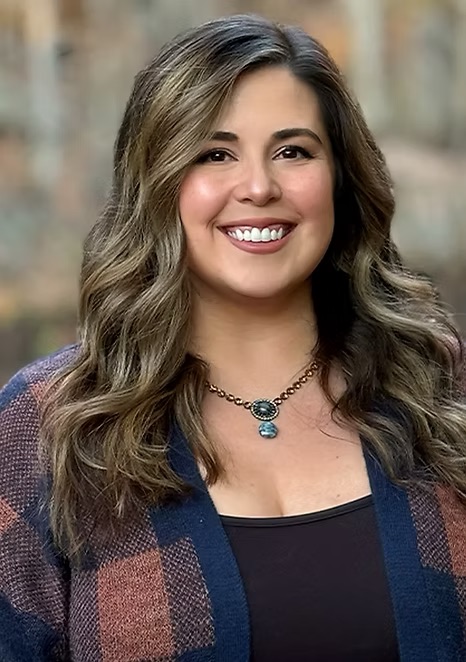
Owner & Founder, Saddlethreads
Karly R. Morgan, Esq. is the founder and owner of Saddlethreads, a creative media company serving the equestrian industry. A lifelong horsewoman, Karly grew up showing American Saddlebreds and has competed with multiple World Champion horses, including her beloved World’s Grand Champion, CH Yes It’s True.
She graduated with honors from Wake Forest University, studying Studio Art and Communications, with a background spanning graphic design, fine art, photography, filmmaking, advertising, research, and strategy. She earned her Juris Doctor from the University of Pittsburgh School of Law and remains a licensed attorney.
Before founding Saddlethreads, Karly worked in national advertising with EP+Co on brands including Chick-fil-A and Disney. Today, she brings those worlds together through Saddlethreads, working with leading trainers, stables, horse shows, associations, and equestrian businesses on branding, media, merchandising, websites, photography, and marketing.
Full bio: www.saddlethreads.co/about