From Horse Trainer to Equine Entrepreneur with Hannah Padgett of EquiAssist


In this episode of The Long Ride Home, Alex Husner sits down with Hannah Padgett, founder of Phoenix Accounting and EquiAssist, to talk about the business behind the horse world and how decades spent inside the industry shaped the work she is building today.
After 20 years as a horse trainer, Hannah brings a rare perspective to the challenges facing barns and equine businesses. From hiring and outdated systems to the many roles trainers are expected to juggle, she has seen firsthand where the industry could benefit from better tools and a more modern approach.
Alex and Hannah also reflect on how Hannah’s own place in the horse world has evolved, from training professionally to becoming an owner, breeder, and entrepreneur, while staying deeply connected to the horses and people that shaped her career.
🐴 In this episode, Alex and Hannah discuss:
01:43 - Hannah Padgett’s Journey from Horse Trainer to Entrepreneur
05:03 - Bringing an Insider’s Perspective to Equine Business
07:36 - Why Hiring Is a Major Challenge in the Horse Industry
08:59 - Building EquiAssist as “Indeed for Horse People”
13:12 - Why So Many Barns Still Rely on Outdated Systems
18:55 - Moving Barn Management Beyond Pen and Paper
30:58 - Finding New Joy in Breeding and Young Horses
33:13 - Experiencing Louisville from a New Perspective as an Owner
41:40 - Building Trust Between Owners and Multiple Trainers
44:03 - Why Collaboration Between Trainers Matters
46:03 - Why Experienced Riders Still Need Lessons
Connect with Hannah:
Facebook: https://www.facebook.com/hannah.padgett
Instagram: https://www.instagram.com/tlstable1?igsi=cm83czM2bWxzbHJ1
Phoenix Accounting: https://phoenixaccounting.net/
EquiAssist: https://equiassist.com/about
Follow us on Social Media:
Facebook: https://www.facebook.com/thesaddlebredpodcast/
Instagram: https://www.instagram.com/thesaddlebredpodcast/
YouTube: https://www.youtube.com/@thesaddlebredpodcast
#americansaddlebredpodcast #saddlebredindustry #equestrianlife
01:43 - Hannah Padgett’s Journey from Horse Trainer to Entrepreneur
05:03 - Bringing an Insider’s Perspective to Equine Business
07:36 - Why Hiring Is a Major Challenge in the Horse Industry
08:59 - Building EquiAssist as “Indeed for Horse People”
13:12 - Why So Many Barns Still Rely on Outdated Systems
18:55 - Moving Barn Management Beyond Pen and Paper
30:58 - Finding New Joy in Breeding and Young Horses
33:13 - Experiencing Louisville from a New Perspective as an Owner
41:40 - Building Trust Between Owners and Multiple Trainers
44:03 - Why Collaboration Between Trainers Matters
46:03 - Why Experienced Riders Still Need Lessons
Hannah Padgett
I trained horses for 20 years. It's what put me through college. It's what put me through my MBA. It's funny because on the surface, accounting and horses don't seem like they really belong together. But you know, for me, they've always connected.
Alex Husner
There's a lot of opportunity, I feel like, within the equestrian industry and especially within the saddle seat discipline, uh bringing some more of those professional services and platforms into it.
Hannah Padgett
Because everyone's facing the exact same struggle.
Alex Husner
I'm still seeing a lot of barns that they're doing things the way that things were done 26 years ago, which is literally pen and paper for a lot of things, at least related to accounting.
Hannah Padgett
And uh, you know, that's what surprised me is the biggest issue is almost every client brought up wasn't accounting. It's tiring.
Alex Husner
Welcome to the Long Ride Home. I'm your host, Alex Huisner. This show is about honoring where we come from, pursuing what still calls us forward, and trusting the power of timing in both life and in sport. Through honest conversations with riders, trainers, and leaders in the American saddlebred world, we'll explore the stories behind the horses and the people shaping the future of this industry. Come on this journey with me. Welcome back to the long ride home. I'm your host, Alex Huisner, and I am joined today by Hannah Padgett, who is the founder and CEO of Phoenix Accounting and EquIAssist. Hannah, it's so good to see you.
Hannah Padgett
Good to see you.
Alex Husner
So we're gonna talk about a lot of different things today, but before we get started, if you can just maybe give the audience a little bit of background on who you are and how you've been involved in
Hannah Padgett’s Journey from Horse Trainer to Entrepreneur
Alex Husner
horses.
Hannah Padgett
Yeah, so I'm Hannah Paget. I've been involved in horses for, I don't like to tell my age, but the better part of 30 years. And that's been as a rider, a trainer, owner exhibitor, a breeder. Um I hold a level two South Sea riding instructor certification from the American Riding Instructors Association. I owned Twin Lakes Stable and I also owned Phoenix Accounting and EquIAssist. Um, I trained horses for 20 years. It's what put me through college, it's what put me through my MBA. Um, I have trained a lot of nice horses, but I really enjoy what I do now.
Alex Husner
And yeah, it's interesting your story when we first connected last week, because in a lot of cases, I mean, for as much experience as you have on the the training side, very few people do this to pay for something else. You know, it's normally that like once you're in the horses, you're kind of you're in it, but you've taken a different path and were able to use that to go on and build a career in a different venture completely in accounting. That when you originally started accounting, it wasn't just for equine, right? So, like you you actually were you did accounting for different types of businesses, I assume.
Hannah Padgett
I did. You know, my first clients when I opened my firm was a real estate agent and a therapist. I didn't have my first equine client until probably three or four years into owning my own firm. And it was only because I was actually at a barn and I was being super nosy, which is if you know me, it's not surprising. I was just there and I overheard their conversation and I answered the question that they had because they were gonna ask their accountant, and I answered it for them and they looked at me, and the next thing I know, I'm getting the looks of like I have free heads. And I just stared at them and I was like, Well, I'm an accountant. And they they just they looked at me and they're like, What? I was like, Yeah, I mean, I've only trained courses because I enjoyed it, you know, it's not because it's what I had to do, it's because I like doing it. So I left and I came home, and I guess probably like two weeks later, I get a phone call, and that same trainer asked me to kind of help her. And I don't know, we stayed on the phone. It was like nine o'clock at night, and we were just chit-chatting, and I was helping her in her QuickBooks. And then the next thing I know, I had their account, and then it's been five years and they're still my client, and that was all she wrote.
Alex Husner
That's so cool. And we talked about this last week, but I think it's really cool when you can bring something else that you do in your professional life into something that you love in your personal or professional life or hobby or business, which is the equine side of things, and be able to translate that information and knowledge that you've learned in something that can be applied, you know, for sure, no matter what industry you work in, probably. But there's also a big level of understanding that would be probably more of a gap if a barn just went to a traditional accounting firm that, like, you understand the business, you understand how things need to be done on the accounting side. So there's probably a lot less of like having to, you know, catch catch you up on things, I would imagine. I mean, like, you know, they're already speaking your lingo.
Bringing an Insider’s Perspective to Equine Business
Hannah Padgett
Yeah, it's funny because, you know, on the surface, accounting and horses don't seem like they really belong together. But, you know, for me, they've always connected. And when I founded Phoenix Accounting, you know, I I really intentionally built the firm around serving industries. I understood. And I I really did understand, you know, real estate and I understood the therapy, but the econ industry was just, it's natural for me. And because of that, you know, it's the life I've lived and I've understood the unique challenges horse businesses faced. I understood the long hours, the unpredictable cash flow, the seasonality of horse shows, and the fact that, you know, most trainers and barn owners wear 10 different hats every day. And because of that, you know, Phoenix Accounting grew and we started working with so many equine businesses all over the country because of that, and just because we understood their challenges that they faced every day. And, you know, that gave us a unique perspective because we weren't just looking at one business. You know, for us, we started working with just equine businesses, but it wasn't just trainers, it was breeders, veterinarians, photographers, boarding facilities, lesson programs, tack businesses, you know, horse show professionals, and so many mothers. And we're seeing a pattern across the entire industry as far as everyone needing and a good accountant that understands them. And they tell me all the time, I've got a good accountant. They just don't really understand the horse side of things. And so that's been their saving grace coming here is because they already have somebody that burned that that gap, I guess you could say, we it's not there anymore. We understand both sides of things. And um, you know, that's what surprised me is the biggest issue is almost every client brought up wasn't accounting, it's hiring. Because, you know, I talk to my clients almost every day, it seems like. Um, whether it's just a chit-chat uh or, you know, when they call me to ask me questions and said, you know, do you know anyone hiring? You know, I'm desperate to find a groom. I can't find a barn manager. Do you know anyone who wants to teach lessons? And that's where I came up with the idea for Equisist was because of the accounting firm and all of my clients, uh, because I actually wanted to help them even more, you know, because everyone's facing the exact same struggle.
Why Hiring Is a Major Challenge in the Horse Industry
Alex Husner
Yeah, I completely see why hiring is such a complicated thing within the industry of what we do. And I think there's probably different complexities depending on the role that you're trying to hire for, whether it is a groom or horse assistant or stable assistant or something along those lines, and how it gets more complex as you're trying to find a, you know, talented instructor or a barn manager or, you know, assistant trainer. There's there's a lot of different things there. And when we talked last week, we were chatting about how business is kind of done on Facebook within this industry to a large extent. I mean, between Facebook or personal connections. So whether you're looking for trying to find somebody to come work with your barn or you're trying to find a horse for sale or whatever the case may be, it's like that's kind of been the extent of it of like getting into a wider net has been Facebook, which is not, I don't think, the it's it's could be part of the equation, but there's a bigger picture here of how you connect people to talent and how people are matched with the right roles, but also complex because if you're somebody that you work for a barn and you are currently employed, you can't just go on Facebook and say, I'm looking for a new job because you'll lose the job that you have right now. So it sounds like what what you've built there is filling a need. And really that's the biggest part of building anything successful these days. But it's you're kind of like matchmaker in a way, right? I mean, how does it work?
Building EquiAssist as “Indeed for Horse People”
Hannah Padgett
Well, so it's very much like Indeed, uh, but it's kind of like the Indeed for Horse people, right? So the employers go on there, they post, you know, the job that they're looking for to fill. And, you know, you can post the title, you can post the breed, you can post the discipline, and you can even post the salary and your location and all of that. And um, then the employees, I'm sorry, the job seekers is what it's listed as, will actually go on there and search. And they can search by discipline, they can search by breed, and they can go on there and look and find any jobs that might be of interest to them. And when they do, they'll go on and they apply for it. But what's good is they're already able to see is this in my price range. Because there's nothing more disappointing than finding the right person and knowing you can't pay them because they need more money, like twice as much. So it's going to help eliminate that because the right person, you know, the person that may have applied won't because they see it's not the right salary for them, or it is the right salary for them, and they have the qualifications, all of the benefits are there for them, and everything lines up and they can apply. And then, of course, you know, it's like any other job, they apply, you review the resume, and you decide if you want to interview them or not. So that's the big thing is that the job seekers are able to go and look for the perfect job for them. And the employers are able to help eliminate a lot of the, I don't want to call it fluff, but I have applied on Indeed myself as a job seeker in my early career. I have posted jobs on Indeed as a business owner, and I have paid hundreds of dollars on Indeed and had thousands of resumes.
Speaker 3
Wow.
Hannah Padgett
And it would have been so nice to have a little bit more to be able to filter through and make sure that I'm getting the right job instead of just saying, oh, let me just apply for this job.
Alex Husner
Right.
Hannah Padgett
But you know, you're not going to eliminate everybody from just applying because they're going to apply, but they're going to see your location. There's not so much of this having to post anonymously on Facebook because there is that level of screening that they're going to see, okay, well, that's not my current employer, or this isn't somebody that knows my current employer. I'm switching disciplines altogether, or I'm going to move across the country, you know. So you're able to actually keep it a little bit more tucked under the belt as you're applying. Or and same for the job, uh, for the employers. You're not so much having to, you know, a media company go and post a job anonymously for you because you don't want somebody to know that you're hiring. You can just go post it.
Alex Husner
Yeah. No, I mean, I think it's it makes a lot of sense. And there's a lot of opportunity, I feel like, within the equestrian industry and especially within the saddle seat discipline of just, you know, bringing some more of those professional services and platforms into it. And I, and you know, I think it it's not a a direct correlation of, okay, if barns are doing professional accounting or if they are listing on this site that immediately now, you know, the industry is growing. But it it is, it is a layup to that, you know, because if these barns and the owners and trainers don't have to be focusing their time on doing these things that are probably not within their core competencies, anyways. Now they can focus more time on their horses, their riders, and actually having at least one full day off, maybe even two days off a week. So I I I think you're you're definitely filling a gap here.
Hannah Padgett
Well, I'm hoping so.
Alex Husner
Yeah.
Hannah Padgett
You know, it's that's all we can do is try. You know, I'm not gonna say that it's going to solve all the problems. It could be a really
Why So Many Barns Still Rely on Outdated Systems
Hannah Padgett
good start.
Alex Husner
And that's that's what has to happen. You know, I mean, it has to change starts slowly sometimes and sometimes starts, you know, gaining momentum when you've got more people that are also looking at things and you know, saying, okay, this is this is good, but there probably could be a a better way to do it. And you know, it's been fascinating for me coming back to this after being away for so long that I'm still seeing a lot of barns that they're doing things the way that things were done 26 years ago, which is literally pen and paper for a lot of things, at least related to accounting, or some have QuickBooks, but like there's not really the technical revolution, whether it's in operational-based things like that or in media invisibility, has not reached this industry. And it it's it really is it's just fascinating that it hasn't been that hasn't happened. I don't know exactly why that is, but I think this is a step in the right direction of, you know, there are better ways to be able to build your team. And, you know, at the end of the day, I mean, the team that you have at a barn, that's the success or the unsuccessful nature of what's gonna happen with your business because I mean, the the people are the business, and it's highly, highly important to have people that are going to represent your program well and uh enable you to grow too, so that you're not worrying about grooming the horses or doing riding lessons or whatever it is. If a barn's trying to grow, you've got to have somebody that's working on the business, not just in the business. And I think things like this are kind of the conduit to get to that point, but it's cool. So you so you launch the website, it's equaissist.com. And what's the plan? Like, how are you gonna grow it? How are you gonna get people to start using it? What's kind of been the feedback that you've gotten so far?
Hannah Padgett
Well, so it just launched like two days ago. So that was the official launch, yeah. And we've offered code for any of the first founding 50 members to post their jobs, and it was uh founding 50 is the code.
Speaker 3
Okay.
Hannah Padgett
And they get a hundred percent off of their first job listing, their standard job listing. So that's where that's headed. And then also we're working with a couple of associations to try to partner with them and offer coupon codes to give a discount for any of their members as well.
Alex Husner
One thing that you mentioned to me earlier too that I thought was interesting was you have an AI resume builder. So for I mean, the why honestly, the the wide majority of households now, they don't have laptops or you know, personal computers. Um a lot of households are just people, they just have their phone. So, and if it's somebody that has never written a professional resume before, that can also be kind of daunting. So share maybe a little bit more about how that works and and who that benefits.
Hannah Padgett
Yeah, so right now the AI generated uh resume builder is in the works, and that's gonna be what we're calling our phase two for our website. And currently in its place, we have resources such as um to resume template for anybody that's a job seeker that they can go ahead and just download their resumes uh and just plug and play and submit their resumes to any Jet employers that way. The AI resume builder will hopefully be ready in the next six months, is my hope. And it's going to be, it might be sooner because our website builder is pretty talented, but I'm a little picky. So it takes them a little longer because I'm picky. And what it's going to do is you're just going to be able to fill out a form, put your information in, and it's going to produce your resume for you. And then that way all you have to do is download it and submit it. Or it can go into your account. And then once you have it in your account, all you have to do is when you apply for a job, it's just going to go and be attached to anything that you apply for. So there's no downloading it if you don't want to.
Alex Husner
That seems like that will be a really nice feature for Barnes and for people that are looking for additional opportunities to use. And, you know, I really feel like for the people that are trying to find either a new job or their first job in the industry or whatever, they fall kind of on that map. Yeah, this opens up a world of possibilities for them. And a lot of people are willing to relocate, you know, and but how you find those opportunities is can be complicated and just within conversations, like we talked about earlier. So that seems like that's going to be a good benefit to it. You also mentioned that you see this as kind of a bigger marketplace, so to speak, of you would have ferriers on there and services like photographers and and things like that, which it that makes a lot of sense too, because they're also looking for work. So they're also doing it by word of mouth or referrals and maybe Facebook. But how does that work from that side of the talent?
Hannah Padgett
Yeah. So like I said, it's it's basically like the indeed for horse people. It's not just limited to barns, it's for everyone. If a horse show wanted to hire, say, a ringmaster, they could go and post it on there. If a media publication needed a photographer, or if they were looking for an editor, or if they were looking for a graphic designer, or if you know a breeding farm was looking for a breeding manager, or if a farrier was looking for an apprentice, or any of that, you know, or if a barn was even looking for an intern, they could easily post on there. It's not just for barns, it's for the entire horse industry. If a veterinary clinic is looking for another vet or a vet tech, there's your place. Just post
Moving Barn Management Beyond Pen and Paper
Hannah Padgett
a job.
Alex Husner
No, I love it. One thing I I had asked you about previously too was you know how these barns are currently operating. And I say that because if you are still doing things either on pen and paper or just with some a little bit of assistance, whether it's, you know, QuickBooks or some sort of accounting software, that's only a portion of what goes on with that horse and with the rider as the owner. But what do you see mostly as far as like how barns are handling keeping up with those things? And I say that because I mean, if you have a farrier that if for some reason they move, they go out of business, the relationship is not there, and the farrier is the one that's keeping track of everything that has to go along with that horse or the vet or any any of those types of services. How are the barns handling that right now? And I imagine you probably have a pretty good perspective since you do the the accounting. So you've got to see kind of what that looks like on the backside.
Hannah Padgett
So a lot of them are still using pen and paper. You know, I have recommended to all of my clients a program called Stable Secretary. I used it at my barn and I still actively use it because I still have 30 horses here on my farm. So, and I still have several horses scattered across the southeast from North Carolina to Kentucky. So I'm keeping track of breeding cycles, I'm keeping track of all that stuff. And I want to know when my mare was bred last. I want to know when my horse was shot in Kentucky last. And that way, if I was ever to sell one, I can just easily print a PDF or email that entire info sheet to the new owner. It's very simple. But when I was training, stable secretary was very easy because it's an app on my phone and I could be holding a horse for the vet or the farrier. And I could easily put in, okay, well, you know, Jiffy got a reset today and it was boom, done in my phone. And when it came time for billing, I just pull a report for that month of everything I needed in every single horse that had anything done, whether it was medications, whether it was resets, you know, any kind of anything. And I could just bill for it. You know, if I gave 10cc of banamine, if I had to give sedation, whatever I had to do, I put it in to stable secretary and it was there and I could build for it at the end of the month. And so it was very helpful for me because I was, when I was training, still working on opening my accounting firm and getting it going. So I was wearing a lot of hats and I couldn't really, I've never been one to I love, I write a lot of things down, but my ADHD will cause me to lose that paper so fast. And so I have to make sure that it's on something digital that I can't lose. And so that's what's been very helpful for me. And then if you know, a trainer I can put in a copy of the Coggins in there. So I see a lot of trainers still going to horse shows and they'll still post pictures bragging about. Doing entries and having this big binder full of coggins that they're having to go through. And I'm over there, you know, when I was at shows, just pulling out my phone and just flipping through and getting my coggins. Because it was right there on my phone. And I could email it to the show secretary right then. I could take a screenshot of it, text it to them. I could pull it out, get whatever information I needed right then. I didn't have to have a big binder. And I was managing 30 plus horses. So it's not, it's not hard. It was incredibly easy. And, you know, I know a couple barns are moving towards that program and they're liking it. Um, and it's very affordable too. It's not unit's not extremely expensive. I think it's like $70 or $80 a month for unlimited horses. I think that's extremely reasonable.
Alex Husner
And I thought I thought it must be wrong or something. I was like, wait, this doesn't make sense. This is really really cheap.
Hannah Padgett
And they have, you know, where you can track, you know, rides. They have it where you can. I think there's like a beta testing now for like client bookings and everything. So they're trying to go full, you know, full service. So it's very good. I haven't tried the booking thing, obviously, because I don't train or do lessons anymore, but it would be very neat to see how that works.
Alex Husner
I've thought about that too, since I've come back of some of these barns where they have big lesson programs and they're teaching not just their show clients, but also academy clients or, you know, kids coming in. It's like with people rescheduling their lessons all the time, that's gotta just be you're back and forth all day long doing that. And I mean, there's for sure, whether it's this program or other ones or something else that could be built. I mean, you know, it's not rocket science, but at the end of the day, it's uh definitely eliminating things that, you know, you shouldn't have to be focusing on as a horse trainer or a barn owner, that if things can be made more easy, it's gonna benefit them as well as the customer, the rider, the family, the owner, whatever it is, that they're able to do things, they're able to get things scheduled, they're able to see what's going on with the horse. I've compared this on the show before of in my professional life, I work in the vacation rental industry. And when I first started in this industry in 2009, you know, it was kind of in a similar place of saddlebreds, that like technology had not really been infused into how business was done and people called it a cottage industry. And I heard somebody say about saddlebreds, you know, it's like a cottage industry. And I said, yeah, yeah, absolutely. It's very similar that the technology just isn't there. But I think what you're doing, and as more people, younger trainers come into this, that they've been using technology for you know the majority of their lifetime, it's gonna start to sprinkle in. And I think there's a lot of good things to come with it in the future. Of we talked about the other day that I'm in Myrtle Beach and I don't get to see, I go to see my horse once a week, but I would love to see more of what's going on with them. And I don't think, you know, most barns are not really using anything that can do that. But it's in my mind, I think it's gonna take the owners of these horses that are gonna say, this is what we we want to see and what we expect. And, you know, just comparing to the what I've seen, the vacation rental industry, that it's the owners of horses are like the homeowners of these properties. And we talk about on that side a lot of how transparency is huge and creating trust between the homeowner and the company. It's the same thing between the owner of a horse and the barn that they're at. And it's exciting. I think there's a lot of good things coming from it. So we'll see. You're you're definitely kind of leading the charge, it sounds like, which is really cool.
Hannah Padgett
You know, I one thing I will say about this table secretary, and you know, what I really liked about it for my client, because it wasn't just about it for me, it was about it for my clients as well. Um, you know, I could have all of their information in there, use F, member numbers, any kind of renewals, you know, all of that, but also I could put in their saddle serial numbers. Because, you know, say the barn burnt down, say their saddle got stolen, you know, at a horse show, or say somebody came into my barn and stole it. I mean, the likelihood of that happening is slim to none because I have cameras everywhere in the back rooms, in the hallways, everywhere. Like there are cameras everywhere. But a lot of people don't have that. But, you know, for people that don't have that, it would be really handy. And even people that do have it, if somebody came and picked it up and you saw them picking it up, a police report is going to want a serial number for any property stolen. And so, how many owners think, let me write my saddle serial number down when I buy it? Especially if it's used. I mean, if it's new, you know, Freedmen can probably go to your sell your serial number. But if it's used, how are you gonna get your serial number?
Alex Husner
It's huge. I mean, I even think about, you know, I just bought my new suit, um, custom made, and it was a pretty penny for sure. But my God, if that ever got stolen or lost too, I don't know what what I would do. But it seems like there should be some sort of registry, you know, to some extent of some of these other things that you buy in the process because it's not just the horse that's expensive. There's a lot of other things that that go along with it. And whether it's malicious that something is stolen or if it's just lost, you know, that there's a lot of money on the line here.
Hannah Padgett
There is. And you know, the more we can keep track of things, the better. And that's, you know, really what it was about for me getting stale secretary was the more I saw that I could keep track of, the more it was a no-brainer, you know, because I could put in my clients' serial numbers, I could put in if they signed their, you know, release form, I could even put in a copy of the release form. That way it was all there, you know, and I didn't have to go look for it. Yeah. So for me, it was a no-brainer. And, you know, I think that the more people actually give it a try and look at it, the more they'll think, oh my goodness, this is actually a really good idea. And, you know, like everything, there's little trials, a little tribulations, you know, getting used to some softwares. But once you get used to it, it's very easy.
Alex Husner
Yeah, I feel like it's gonna end up becoming for barns that are are using more technology to manage the horse, manage the process, the whole thing. I think that's gonna become a competitive advantage in the future for those barns, that that's something that they will, when most of their competition is not doing anything like that. I think that will be a reason for if somebody's assessing which barn they're gonna put your their horse at, you know, that's a selling point of you've got more, more protection on things and more access to see what's actually going on with the horse and you know, it just creates more transparency, which, like I said, just leads to more more trust in the owner and the trainer situation there. I want to pivot a little bit and talk about you have a lot of horses. You have 30 horses at your barn, you have horses from Kentucky to North Carolina. How in the world did you get so many horses?
Hannah Padgett
Like, well, I trained horses, and um, like every horse trainer, you end up being a collector. That's what I say. I've been thinning down on my herd, and um, you know, I've had some really good trainers that have helped assist me with that since I've quit training and I've because I don't have time. And Andrea Harry has been great at helping me uh move a lot of horses. Um, Nicola Berger and Susie Zaren have all done fantastic jobs for me, uh moving horses and getting, they've done a fantastic job. I I mean, I really have to brag on them. And then, you know, at home I have several broodmares. I have almost all of my lesson horses still have retired. I just didn't think that it was, I felt like they did such a good job for me all those years. I just didn't think it was fair to just sell them or give them away. They did their job. And now it's my turn, you know, to repay the favor. And so they they have a home for life. And so that's a good portion of them, are my rescues and my old lesson horses, just chilling and hanging out and doing nothing, you know, living the life that I think we all wish we could live. And then I've got some babies and stuff like that. And I just had a brood mare confirmed in full today. So but yeah, a lot of horses, but um, you know, that's how it goes. We've sold a couple this month, and then um, you know, I think I've bought one or two this month too.
Alex Husner
So as soon as one goes out, you just replace them. I love it. That's how it feels, yeah. Yeah, no, that's that's awesome though, that you're giving a nice life for the horses that have helped you build where you are. I think that's that's really beautiful, actually, and fulfilling to know that you're giving back to them because they've given so much to you over the years. Not everybody can do that, but I think that's that's wonderful that you can. But what's your favorite part about that side of things now? I mean, like what makes you still excited about having the horses? Is it the breeding and like the broodmare side, or is it, you know, some of the horses that you have that you've developed and you're trying to get them, you know, sold to a new home or like what kind of lights
Finding New Joy in Breeding and Young Horses
Alex Husner
your fire?
Hannah Padgett
Well, so I used to do a lot of buying and selling, and that's what put me through college. But and you know, I still I still very much enjoy buying and selling because I I like to still know that I I have what it takes to pick out a good one and and be able to sell it. Um, but now it seems like my shift has my focus has shifted just a little bit. And I'm really finding more joy in the babies and seeing all of that hard work come to fruition. And you know, I've got three babies in training right now, and getting that call from your trainer and them saying, I think you've got a good one is just it's incredible. And you know, I know that Ash has been telling us that the breeding numbers are low and and that they've been getting lower. And, you know, I've bought and I've sold brood mares, and you know, I have one or two brood mares for sale, but I'm still planning on breeding some. But when you get that call from your trainer telling you that, it really hypes you up and it really makes you want to just breed some more because you know, knowing that you did a good job and that you just didn't breed an average citizen, that you bred a good one. You know, I mean, and all horses have a job, and you know, there's a place for every single horse. But to know that you might have really made a good one is is nice. And it really, I think that's what's kind of given me a little bit of excitement these days.
Alex Husner
That's definitely exciting. And I've never really been around the babies. I mean, that's never been part of what my journey has been, but I can only imagine how cool that whole process is. And you know, having a young horse, just seeing his progress is is amazing. But when you see it like from that early, early perspective, it's gotta be a cool thing to experience. And and then when you do see them get bigger and older and and they actually become, you know, somebody's partner, and you know, knowing that you played a role in that is pretty cool. Yes, yes, it is. So, what are you most excited about right now? I mean, we're it's early August when we're recording this, and you are heading to Louisville here very soon. What's exciting about that trip for you this year?
Hannah Padgett
Because I know you've probably been a million times,
Experiencing Louisville from a New Perspective as an Owner
Hannah Padgett
but I have been a million times, but um, this year's a little different because you know, I've always been either an exhibitor or the trainer or both. And this year I'm just the owner. It's different, and I don't know how to handle that. But um, you know, my mare is showing in the fine harness mare, and she's with Majestic Oak, and she's she's very cool. Uh, she's shown just very lightly this year, and you know, she's we've just been letting her grow up. Uh, we got her from Blythewood, and you know, Ann Neal did a very good job breeding and raising her. We're really looking forward. I'm very, I'm really looking forward to seeing her show there. It's kind of a different feeling when you're the owner getting to see your horse. It's like watching, it's a parent watching a child. Oh, totally. And you know, I've never been on this end before until this year. You know, I've had I've owned plenty of horses and I've put them in the ring and all of that, but never with someone else training them until this year. And so it's it's a really different feeling for me. And um, I'm very proud of my trainers. And Rich has done a very good job. Abby's done a very good job, and so have all my other trainers. I'm very blessed to have them all. And I couldn't ask for a better strain of trainers than I do right now.
Alex Husner
Well, and that's cool that like you recognize in each of them like what their strengths are and like who's the best fit for the job at hand, you know, and that's cool to have the flexibility that you can kind of do things that way and you know, they'll all trying to get the best outcome, whatever the situation may be for what the horses that they have. And I totally relate on feeling like it's like being a parent at a show now. We just got back from Asheville last month and got to watch Andrea ride Chapstick in his first class. And like, I mean, we were so excited about it, my husband and I, but I didn't know exactly what it was gonna really feel like. I mean, I was literally on the edge of my seat. I was sweating profusely. It was really hot, but I think I was also sweating from just like nerves, anxiety, excitement, all the things. But it made me think of how my parents used to feel back in the day and how my husband's gonna feel when I'm in the ring of like you're stressed out as the as the rider and you're excited about it. But like the people around you, they also have that a whole nother, they have those feelings just in in a different way. But I think you're gonna enjoy it. I mean, I still I really enjoyed it. Like it was it was cool to not have the pressure of riding, but still get to enjoy the the thrill of it too. Uh, and that that'll be a memory that I I won't soon forget.
Hannah Padgett
But I've driven Jenny, that's what we call my marriage. You know, she is so incredibly fun. You know, I I envy Abby getting to show her because I know how much fun she's gonna be at Louisville. But also at the same time, I don't think there is a better person to show her than Abby because she's the one that's put in all the hard work. She connects with that mayor so well. For someone else to try to step in, just wouldn't be right. She's gonna show her. And I'm excited to see it.
Alex Husner
Is this her first time, the mayor at Louisville showing?
Hannah Padgett
Uh, I believe so, yes. She might have shown there as a as a two-year-old.
Alex Husner
How old is she now? Five. Yeah, I mean, make sure that first experience there for them or at any show really is a good one, is super important, you know. And one thing that I've really loved in watching Andrea do this with Chapstick has been, you know, she's very cognizant of that. And like we were gonna show him, we showed to Asheville fun, and then we were gonna show back at Asheville Classic. And I hope you guys aren't mad, but I would really rather we not, because I think he was tired. That was a lot for him. I mean, that was a lot of learnings, and he was there for basically a couple weeks between the two shows, but you know, still got to to train with her every day. You know, needs needs to go back home and learn more before he's ready for his next class. But it was the opportunity of seeing, you know, how is he gonna react in the ring? And I think it just in general, it's it's one, it's important to listen to your trainers, but two, it's also important to make sure you've got the a good trainer that is gonna advise for whatever and advocate for whatever is best for the horse so that you don't end up souring them or making them not like the experience because either it doesn't go well or they're tired or you know, whatever the case may be. It's like it's about keeping their interest in this so that they get excited to go to the next one again.
Hannah Padgett
That's one thing I will say. Rich and Abby have done such a good job with Jenny making sure that she's happy. And, you know, mayors can sometimes not be happy. Yeah, yeah. Okay, and you know, I remember when I bought Jenny's, I called Rich and um they've been training her at Majestic Oaks. And I said, uh, well, uh, you know, how how do you like her? And he said, Well, I mean, I I like her. And I said, Well, do you do you like her enough to keep her? And he's like, uh, yeah. I mean, he seemed very confused because I don't think he understood that I had quit training. And so I said, Well, okay, well, why don't you take her back with you? And he said, Okay. And I get a call from his office manager, and she's like, So, what's the plan? Yeah, are you gonna take her home after like a month? And I'm like, No, like I wasn't planning on it. Yeah, I was planning on keeping her there and I wanted to leave it. And she was like, Oh, well, uh, okay. I I wasn't sure. She's like, Well, we weren't really sure if you were planning on training her or not. Oh, wow. And I quit training a long time ago. But even if I did, I don't train mares. And so I'd tell her anchor, I was like, just let me know what you want to do with her. Because if she needs to go to a show, let's go to a show. I was like, But you know, I know she needs to get in the ring and I want to get her phone. I want her to get her lessons in. But that was just so funny to me. So what are you gonna do with her? Exactly.
Alex Husner
Well, I don't know. What are you going to do with her? I'm leaving that up to you. That's why I'm asking the question. That's cool. And I wonder what it's like. I mean, and you maybe know, but like for trainers who have a client that's a trainer, that's a very different client than an amateur, right? So it's like, you know, for better, for better or worse. I don't know what they prefer, but it is.
Hannah Padgett
They probably would prefer not me, but you know, it is a different feel because you know, it's not like, well, I guess maybe it's good on some hands, um, but on others it's not because I'm over there going, Well, have you thought about this? And they're like, God, why is she bringing yeah? And I'm like, but you know, I did sell like over a hundred horses a year. Yeah. And at one point, it has one put me through college. So, you know, I did see a lot. So because of that, I do have a little bit of experience. And um, so I I do tend to throw some things out there here and there, but it's only in I try to let them do them though. I I really do. And um, you know, I leave them alone for the most part. Um, I think that they just hate it when I just randomly, after three months of not seeing me, will be like, I'm gonna be there on Friday. And they probably are like, oh gosh, yeah, you know, something wrong because she never comes, you know. And I'm just like, no, it's the first time I'm actually able to come up. But so I've spent the last three months trying to figure out when I can come. Yeah.
Alex Husner
It's funny. And again, I just from my lens, I I there's so much that I can compare to my professional life to this. And like when we're talking about homeowners of properties, like that's a a type of a homeowner that we talk about that, like you haven't heard from them in once, and then all of a sudden, either they're coming to town or they have questions, or they want to ask, or they want to, you know, give their advice for what we should do from a different perspective as a marketing strategy for the property and all these things. But um, at the end of the day, I mean the barns are managing these horses, they are assets, and the same thing as these management companies are managing the property. So it is very similar in that respect. But I'm I'm sure you have a lot of clout and experience. So I'm sure they probably enjoy the collaboration more than you think.
Building Trust Between Owners and Multiple Trainers
Hannah Padgett
I hope so. I mean, I I really do try to let them do their job because I do trust them. I I picked them because I did trust them. And I trust them enough and they trust me and they trust my other trainers. They trust my other trainers so much and they've worked with them enough that they've, you know, I've had one trainer call me and say, Hey, I'm going to be gone to a horse show, and I think your two-year-old is going to get behind. If I do, would you care if I send it over to your other trainer for the week because she's not going.
Alex Husner
Yeah.
Hannah Padgett
But they're like, But I want it back.
Alex Husner
Yeah. Yeah, yeah, yeah. Yeah. And I'm like, yeah, I'm like, I'm like, I don't care.
Hannah Padgett
You know, I thought it was incredibly professional.
Alex Husner
Yeah.
Hannah Padgett
That my trainer asked me if they could do it. You know, a lot of trainers would have probably just let the two-year-old sit and stall for a week and then played catch up when they got back from the show. But mine actually, you know, had the professionalism to come to me and and admit that they were gonna be gone. They didn't want the horse to get behind and sent it to the other my other trainer. But it's because, you know, they knew I had my other trainer there. They have a working relationship with them. And I think that's really super important in this industry is to have good working relationships with other trainers.
Alex Husner
I agree.
Hannah Padgett
Because you should be able to do stuff like that. I've always said that, you know, I've never had just one horse at a place at any barn. You know, I've had multiple horses at multiple trainers. I've got horses at five barns, I think, right now. They all do a great job for me, you know, whether it's breeding my mares or training my colts or selling consignment horses for me. They do wonderful jobs for what they do. And I think it's very important to make your trainer feel like if you do have another trainer, that you're not just gonna leave and go to the other one. Mine all know that I've moved a horse to another trainer, but they always know I'm coming back. You know, they've always had that style for me.
Speaker 3
Yeah.
Hannah Padgett
Um, because there's never gonna be a time where I don't have one with them. Yeah. So I I think it's very important to make sure that how you handle things with your trainers is important, but also making sure that your trainers have good. Working relationships with your other ones is also
Why Collaboration Between Trainers Matters
Hannah Padgett
important.
Alex Husner
It's like collaboration over competition. You know, that's that's the mindset that I think needs to happen in those situations. And and really, I mean, that's like ideal situation that you just described. If that trainer's going somewhere to be able to move the horse so it still gets training and they have the relationship and the trust in you that you're going to send the horse back there after. But I mean, everybody does things a little bit differently. There's, I'm sure there's to some extent there's some secret sauce of what everybody does. But the secret sauce is really a mix of how you do all the things and in what order. And everybody does it a little bit differently, but at the end of the day, it's mostly doing kind of the same things. But some people are, you know, more successful than others at it because of their approach to it. But it shouldn't be a closed-off thing where, you know, you can't share what one trainer's doing with one horse or what one's doing with another horse. I mean, it should be just kind of an open situation there where you're all working for the best possible outcome, whatever that may be, whether it's a horse you're training for you to ride or somebody that you want to ride it or you want to sell it, whatever, whatever the case may be. But I think at the end of the day, it does come down to that trust and the relationship. I mean, my situation is a little bit unique too, in that I have chapstick with Andrea, but I also am taking lessons at Scotland with Jeff and Deanna down there. And, you know, it's not ideal to have two barns, but it's it's a reality for me of if I want to be able to ride more, they're an hour and a half closer. And, you know, and I think it's it's good also to have different people training you because every trainer is gonna say something in a different way that's gonna catch with you. And when I, you know, brought that to Andrea a few months ago, I said, you know, I think this barn's a little bit closer. Would you be open to me taking lessons there? And she said, absolutely, and sent Deanna a message. And Deanna said, Absolutely, let's do it. You know, so I think you have to kind of be looking at what's the best for the client. And as long as you have that trust that each barn or each trainer is kind of fulfilling its own role, then that can be a really beautiful thing and a productive thing for the horse and the rider.
Hannah Padgett
I've I've always said happy clients don't leave. Exactly.
Alex Husner
Yeah, that's uh
Why Experienced Riders Still Need Lessons
Alex Husner
very true.
Hannah Padgett
And you know, if your client wants to go and take a lesson somewhere, they should be able to. You know, I take lesson. I mean, I I'm a certified riding instructor and I still take lessons. Yeah. Because, you know, who's gonna correct my form?
Alex Husner
Right. Yeah.
Hannah Padgett
You know, I mean, I can ride my horses at home, but I mean, at the end of the day, who's correcting me? And that's what, you know, I'm looking for when I go and I take those lessons. I need someone to say, hey, you're riding just a hair sloppy today. Shorten your stirrups up. You don't have to ride like a trainer anymore. You can ride like an amateur. And that's I actually had one tell me that. And I was like, oh, okay. Thank you. I was like, that was a swift kick in reality, but okay. I was like, thanks. Didn't realize I was, but okay. Yeah, but you know, it's helpful because you don't realize when you're slacking if no one's there to tell you, but that's why I did it. And um, you know, I I don't want to pull my old lesson horses out of the field too most of the time because they're retired and they they deserve a little bit of retirement. They don't deserve me pulling them out of the field every week. I ride someone else's lesson horses that are younger and more fit and not in their twenties.
Alex Husner
And so yeah, exactly. No, it's a right horse, right, right environment, right decision for what you're trying to accomplish there. And in a lot of cases, it's not just the easiest one of whatever is the closest horse that you have, because you have a lot of them to choose from, but I do.
Hannah Padgett
Yeah, I have quite a few to choose from, but I still still go and I drive two hours to take a lesson.
Alex Husner
Yeah, okay. Well, you're like me then. We're once it's in your genes, it's very hard to get out. And I feel like now after being gone for so long, I'm like, I have no idea how I didn't have this in my life for 26 years because you know, I knew I missed it, but I didn't realize not only how much I missed it, but how addicting it is. And I don't know if you saw my post yesterday, but I've been trying to one thing that's been complicated for me is just rein handling of you know adjusting my reins quickly without the horse getting, you know, flustered by it. And um, I had said to Andrea, you know, maybe I should get like a bridle that I can just practice with at home. And I was gonna do that, but then last night I was doing a workout and saw my exercise bands, and I thought, oh my God, like one of them is this like almost the same width as a as a snaffle and the other one as the curb brain. And so I hooked it up on our dining room table and I just went to town and I'm like, oh my God, in just like 30 minutes, now I'm remembering things that when I'm in the saddle, I'm not there's so many other things I'm trying to remember and do coming back to it, that it's like I am not doing that well. I know that. So it's like the more I can practice some of those things outside of the saddle, the better it's gonna be. But I mean, I'm pretty sure my husband thinks I'm totally crazy over in the dining room, look like I'm doing needlepoint with uh these reins. But uh it's you gotta do whatever it takes. And when you want something, you're you're gonna make it happen.
Hannah Padgett
So it's uh yeah, I used to send so many sets of reins, Tom, with riders just so they could work on work on that. You know, just those cheap old reins that you just really wanted to get rid of that like you knew you couldn't sell because they were probably dry rotted and they'd been sitting in your barn for probably 15 years and you never used them. And I'd so like anytime any of my riders wanted like to get better at working their reins, I'd be like, Oh, hey, I have some of those. Let me let me let you borrow them.
Alex Husner
Yeah.
Hannah Padgett
And I'd send them home with them.
Alex Husner
Yeah, it's it's amazing. I I think it's gonna help me a lot actually. And uh, I'm excited to see the difference next time I go and you know, just little things of like the way that I remembered doing my reins was more of reaching across to shorten them. And then I'm watching a video, I'm like, well, no, I this is coming back to me now of like you can do that without having to reach across. Like you just have to work your fingers to go back and forth with the reins. And so practicing that and you know, just teaching my hands again how to do that, because when you don't ride for that long, like, you know, my hands are really good at typing on a keyboard, because that's what I've done for my whole professional life. Um, but they have to learn that mobility in a way to be able to, and it's really it's like mind-body awareness too, of when I know in my head I need to shorten my reins, but like I need to without having to look, I need to be able to do it. And so I think practicing stuff like that at at home is gonna be really helpful there. But any other tricks that you think of or could share on things I can practice at home like that, I'd love to know. I have posted like yesterday about like any other hacks, like you know, things that can be done at home. I'm trying to just get as much knowledge and experience as I can while I'm not in the saddle, in addition to in the saddle.
Hannah Padgett
Going to the gym and those little half the balancing boards with the bulb underneath them. Yeah, those are fantastic. Do squats on them.
Alex Husner
Yeah, that's actually a great idea. That's I could probably order one of those for the house. Well, I'm gonna do that then, and I'll I'll film a video for you. It's probably being a little messy at first. It was great to have you on today and just hear more, get to know you a little bit better, and also understand, you know, the reason why you've been successful. And this is a lot of things, I'm sure. But also, I mean, you have true understanding of the business, and it's exciting to see what you're doing with Equo Assist. To you've done it once with Phoenix and now you're doing it again with another company. And I think it's you're filling a gap and and a need. And I'm excited to watch the progress of how it goes. But if anybody is interested in learning more about either Phoenix or EquoAssist, what's the best way for them to reach out to you?
Hannah Padgett
Uh, they can reach out to me directly on Facebook or Instagram, or they can go directly to our website at phoenixaccounting.net or equasys.com.
Alex Husner
Good luck with your mayor at Louisville. I'll be rooting for you. I'll make sure to find that class and watch it. Uh, would love to keep up with you and and just hear how the progress continues to move along with both companies. And we'll see you again soon. And for everybody tuning in, thank you for listening again. If you're enjoying the show, please subscribe wherever you listen to your podcasts or um share it on Instagram, Facebook with anybody you think might also want to be listening in on some of these stories and people that we've had come on for interviews. So thanks for tuning in, everybody.
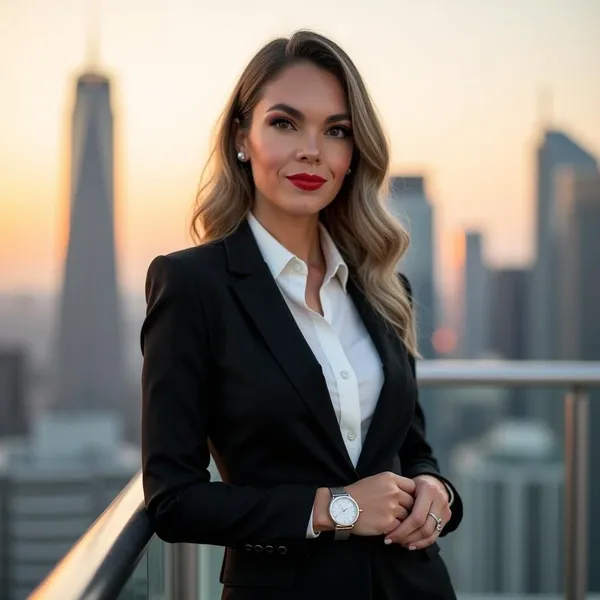
A business owner and lifelong horsewoman with a passion for supporting the people and businesses that make the horse industry possible.
Throughout her career, Hannah has worked closely with employers, professionals, and organizations across multiple industries while remaining deeply connected to the equine community. Through those experiences, she recognized a common challenge within the horse industry: employers struggled to find qualified candidates, and talented professionals often had difficulty discovering meaningful career opportunities.