Growing the Saddlebred World, One Story at a Time with Bob Griffin and Gabby Greco


In this episode of The Long Ride Home, Alex Husner welcomes Bob Griffin and Gabby Greco, co-hosts of the Stable Minded podcast, for a thoughtful conversation about the people, experiences, and traditions that shape the Saddlebred community and what it will take to carry them forward.
Bob reflects on his journey from a horse-crazy teenager to an established trainer and barn owner, including the mentors who helped shape his career. Gabby shares her experience growing up in the industry, becoming a professional trainer, and finding creative ways to introduce new people to horses.
Together, they explore the importance of preserving the knowledge and personal stories of those who have shaped the sport, the lessons they've learned through conversations with fellow riders and professionals, and the opportunities to make the Saddlebred world more welcoming and accessible.
Episode Chapters:
00:25 - Introducing Bob Griffin and Gabby Greco of Stable Minded
02:02 - Gabby's Journey from Young Rider to Professional Trainer
03:51 - Bob's Early Years, Mentors, and Building Northern Tradition
08:01 - Preserving Knowledge and the Importance of Mentorship
13:01 - How Bob and Gabby Connected and Started Stable Minded
18:02 - Learning from the Stories and Experiences of Other Riders
22:55 - Show Ring Pressure, Judging, and Redefining Success
31:21 - Helping Adult Amateurs Return to Riding
41:05 - Patience, Flexibility, and Riding the Horse You Have Today
46:38 - Introducing New People to the Saddlebred World
50:00 - Making Room for Everyone in the Horse Community
55:00 - The Role of Storytelling, Podcasts, and Media in Growing the Sport
This conversation offers a fresh perspective on how the industry can continue to grow, one connection and one story at a time.
Connect with Bob & Gabby:
Connect with Bob: https://www.thesaddlebredpodcast.com/guests/bob-griffin/
Connect with Gabby: https://www.thesaddlebredpodcast.com/guests/gabby-greco/
Stable Minded Podcast: https://www.stableminded.com/
Follow us on Social Media:
Facebook: https://www.facebook.com/thesaddlebredpodcast/
Instagram: https://www.instagram.com/thesaddlebredpodcast/
YouTube: https://www.youtube.com/@thesaddlebredpodcast
#americansaddlebredpodcast #saddlebredindustry #equestrianlife
01:17 - Introducing Bob Griffin and Gabby Greco of Stable Minded
02:27 - Gabby's Journey from Young Rider to Professional Trainer
03:46 - Bob's Early Years, Mentors, and Building Northern Tradition
06:49 - Preserving Knowledge and the Importance of Mentorship
10:27 - How Bob and Gabby Connected and Started Stable Minded
13:11 - Learning from the Stories and Experiences of Other Riders
18:07 - Show Ring Pressure, Judging, and Redefining Success
24:23 - Helping Adult Amateurs Return to Riding
29:30 - Patience, Flexibility, and Riding the Horse You Have Today
33:57 - Introducing New People to the Saddlebred World
36:45 - Making Room for Everyone in the Horse Community
40:24 - The Role of Storytelling, Podcasts, and Media in Growing the Sport
SPEAKER_02
I grew up not in horses, but with a neighbor that had a horse three doors down. I was fortunate enough to have exposure to a horse. And there was a horse crazy gene inside of me that was looking for that outlet.
SPEAKER_01
We would go to parades with our two little white belt ponies just to get people to pet a horse or pony, which I think we take for granted. There's a lot of people that don't have that access to animals or horses. They like freak out because they've never seen a horse before in like real life, which is just crazy.
Alex Husner
How do you both feel about growth in the industry? How do you grow this besides somebody already having a connection to horses and wanting to get their kid involved?
SPEAKER_02
It doesn't mean you have to own a horse. It doesn't mean you have to ride a horse. You can drive a horse, you can just go to horse shows and be a spectator. There's a place for everybody.
Alex Husner
But yeah, the storytelling behind all of this is the most important part. And I think the more that we can find ways to tell the stories of these people and the horses, that it just you just learn to connect with people differently.
SPEAKER_01
They're regular people who love horses. So I think the podcast is a really good format for that to hear everyone and it makes them real, more so than maybe seeing a picture in a magazine.
SPEAKER_02
I think it's meeting people where they are, wherever people are at, if we can meet them there and have these discussions and tell these stories.
Alex Husner
I've got Bob Griffin and Gabby Greco, who are the hosts of the Stable Minded podcast. So good to see you both.
SPEAKER_02
Good to see you.
Alex Husner
Good to see you, Alex. Happy to be on. Yeah. So I told Bob this when we spoke on the phone a few weeks ago that I felt terrible because I had found your podcast after I launched mine back, I think, in like March. And in my first episode, I said, I can't believe there aren't any other salad red podcasts out there. And it was one Sunday afternoon. I'm on my deck and like literally still not believing that there weren't more out there. I like really just kept Googling, Googling, chat GPTing. And yours came up and I was like, oh my gosh, there's a bunch of episodes here. And I started listening and then I binge listened and it was great. So I'm sorry that I said there wasn't another one out there. Not just that there's another one out there, but there's a really good one out there. So I figured it would be interesting to have you guys come on and just talk a little bit about your stories and what led you to start the podcast and kind of where you see the future of media within the saddlebred world going. But before we get started, we just do a little bit of introductions. Gabby, maybe start with you. Just a little bit of your history and how you got into saddlebreds and what you do now outside of the podcast.
SPEAKER_01
Sounds great. I've been riding since I was, I think, four years old, and I'm almost 32 now. So however long that is, 28 years. And I've always started in saddlebreads. My mom actually worked with Sherry Brandle in that office. I think they were this company made floppy discs or something like that, which probably our younger audience will have no idea what that is. But they were office mates, and Sherry at the time was teaching lessons when she worked for Nolwood. And my mom had been riding her whole life, lived on a farm. So I grew up riding with Sherry Brandle and just kept riding all throughout school, helped at the barn through school, showed Academy. We bought a horse, we showed the suit, but uh shared that horse with my sister Giovanna and just kept riding, kept helping at the barn through college. And then after college, I graduated and Sarah McClintock of Highland Ridge Fables, she was out on her own. She's like, Do you want to work for me? And I said, Yeah. I didn't really was my major in English literature. I didn't really want to do teaching at the time, and I still wouldn't want to teach in a school setting. So I took on the assistant trainer position with Sarah in Highland Ridge, and I've been here ever since.
Alex Husner
Very cool. And now getting to talk to people about the industry, which you've been in for 28 years. So a lot of there and a lot of uh perspective in your interviews for sure. And Bob, how about you?
SPEAKER_02
I grew up just outside of St. Paul, Minnesota. And at 13, I did I think what a lot of teenagers do, and I locked myself in my room and made my parents a little nervous. And after years and years of begging, that was finally the straw that broke the camel's back, and I got riding lessons for Christmas. And I took my first six. I was riding with Monty Wallen. And think about the fifth weekend. I uh went and cleaned out a stall, and Monty was like, You want a job on the weekends? And I'm like, Yeah, like you're gonna you pay me to do this. And so it all started there. And after a year, I was able to buy my first horse. She was actually the second horse I ever took a lesson on. And Monty let me buy her on time. And so I had owned her, and then in 1984, which makes me sound really, really old, I uh had moved to ride with Marles Bell, who was just a few miles down the road. And Marlis took that thousand dollar horse that I had bought and helped me get her fully equitated, and she was the horse that I won the medallion finals on. And then um, following that, uh, I think I just that gave me some recognition. And so I got some job offers and was very fortunate to get to work with Rick Wallen and Andy Friesa, and then had a private job for several years with Mike and Jane Shallock outside of Milwaukee, and then went on to work for Dick and Jeanette Durant outside of Chicago here, and that's how I landed outside of Chicago. And I think it was we were with Dick and Jeanette for four years, and um Jeanette was very smart and business savvy, and I didn't know what she was doing, but she was getting me ready to go out on my own, and we had filled the barn that we were in and at least one next door, and I had moved my whole string over there, and then she started sending me to some shows without the rest of the barn and had gotten me doing the billing and all of that, and came to me that fall and asked me if I wanted to go out on my own. And I said, absolutely not. Like I I like a guaranteed paycheck. I want to know that it's that I'm gonna pay bills and and have the money to do it. And she's like, No, she's like, if you're ever gonna do it, do it now. And she had set all of that in motion and had spent the better part of a year, I'm guessing, looking back, helping get that set up for us. And so when I went out on my own, along with Tom, um, walked out the door with 10 training horses and a full business ready to go. So yeah, it's crazy who does that for somebody, but an amazing family. That's unbelievable. Yeah. So then we started Northern Tradition and we've been here for just on the southeast side of Chicago and it's going on like 25 years.
Alex Husner
Wow, that's wild. And of all those names that you just named in your history, what percentage of them would you say are still in the industry actively working?
SPEAKER_02
Um, unfortunately, we've lost both Monty and Marlis, but Andy and Linda are still going in Kentucky. And then we've also lost Dick and Jeanette. And so I was very fortunate to have them and have learned from them. But it's uh kind of miss having them around now.
Alex Husner
Yeah. As I come back to this, it's like there's many, I remember I know of all those names that you mentioned, and some of them are ones I hadn't thought of or hadn't heard about since I've been back. But there's a lot of people that have, you know, unfortunately, some people have passed away, but also people that have just decided to leave the industry, which is a sad thing. But and especially when somebody like you who got into a very good situation, it sounds like that you were able to kind of build the business along with you and then had the wind underneath your wings to be able to take off and do it. But it's a hard business, you know, and even even still with we talk about numbers declining and everything, there's still a lot of barns. I mean, there's plenty of barns for the people that do want to ride out there, but there's so much talent from you know years past that, you know, I think there's a lot of knowledge that has just not been passed along in any sort of a public format. And I think there's a big opportunity for some of these people to really be able to leave their legacy beyond just the people that they teach, but to leave it for the future of people as well.
SPEAKER_02
And I was really fortunate. I by completely by accident, but got to like Monty's taught me how to ride and Marlis really taught me like how to be kind of detail-minded and really honed my equitation. And then being able to work with Rick Wallen as a showman and had really taught me how to show. And then like Andy, I don't think his mind ever stops training horses, and so really taught me to spend all that time on the ground really thinking about what I was gonna do and why I was gonna do it. And then um and Dick and Jeanette were amazing business people, and I was really fortunate. There's a period of time, uh, Dick and Jeanette had a long straightaway, and uh, we had a cult that just needed an arena, and we had him down the road, and so Jeanette and I would meet at seven o'clock every morning and work him before we started at the farm. And I got Jeanette for it was probably two months, but I got her all to myself for an hour a day. And it started out as casual conversation, and then we just called it question of the day, and I would get her for a whole hour to talk to me about working with clients and filling and looking at, you know, bottom line. And so I was very lucky to have so many varied people in my past. It just really helped fill out like a well-rounded education in the business.
Alex Husner
Absolutely. That's invaluable knowledge and mentorship. And actually, I think I just listened to your last episode the other day and you were talking about a program that I wasn't really familiar with, but it's like a mentorship program within UPHA that it's I think I don't know if they've launched it yet.
SPEAKER_02
I think they're if it is, they're just getting it started. And I don't have all the details on that, but it would be a great thing to have going. I know there's been talk about it for years, and so I'd love to come to see it come to fruition.
Alex Husner
Yeah, because when you think about like, you know, I mean you have both of you have tons of connections from over the years, and you probably know if you're trying to solve one issue, you've got somebody you can call that might be the expert at something equitation related or five-gated related, but for you know, other trainers coming up that maybe haven't been quite as connected, that could be a wonderful thing to be able to access something like that.
SPEAKER_01
And I think it's important for those young professionals to be able to talk to the older professionals and ask those questions and feel comfortable with those questions. And I think it was the last UPHA convention in Vegas. Uh, we had this talk where the young professionals were on one side and the professionals were on the other side. And you could have this open conversation with them and ask any questions you'd like. And I think it's a great thing that UPHA does. And yeah, I'm excited to see this mentorship program come forward and people get help that they need or answer any questions. And that's why I love talking to Bob when I see him at shows because he always has a good story or something interesting to say.
Alex Husner
You can probably ask him a question and he probably could tell you five stories about the question that's cool. Well, and that kind of leads me to how did you two meet and how did this all start? I mean, I know that through the association that the podcast started, but how did you two come together to get this going?
SPEAKER_02
I don't remember meeting Gabby the first time. I mean, I I guess I feel like I've always known her. Maybe you know Gabby. I'm getting old in my memory.
SPEAKER_01
I don't remember I don't remember actually meeting you. I mean, I know I knew of you because it's northern tradition, and that's when I was coming up and showing. And I think after I graduated college and then I but became a professional, and then I've got over the years, I wanted to become more involved because that's Sarah's. She's always told me you need to become involved with committees in your area, help out. So we've always gone to IASPA and they asked me to be on the board and I said yes. And I think that's Bob and I became more connected through that of trying to help Iaspa out, and here we are.
Alex Husner
Yeah, okay. Yeah, no, that makes sense. So that makes sense. Yeah. I wasn't sure, just not knowing more about both your histories. I wasn't sure if this was something that you kind of met because of doing the podcast, but obviously that's not the case. It goes way, way out. Well, it goes back.
SPEAKER_01
Yeah, no, I'm working my way up to Bob's status. I'm not there yet because I'm I'm not. But yeah.
SPEAKER_02
I asked about board, and this was probably two years ago, and it was kind of during the time that all the turmoil was going on at ASHBA. And I think it was probably something that needed to happen, but part of the fallout of it was that some things that I really wanted to see in promotion and discussion were falling by the wayside. And they had done a podcast with Tuffy Owens, and I think there's eight or ten episodes, and they were great. And I didn't know why it wasn't there anymore, you know, like why there weren't new episodes being put out. And so, um, in our discussion at IASPA, we were just trying to decide what we could do to give our members more value. And the Illinois American Silverbread Pleasure Horse Association has always been kind of an innovative group. And they, you know, they do three horse shows a year. We do a year-end awards banquet, but there's a lot of associations that do those kind of things. And we were trying to figure out something that we could do that would just be more. And so that was when the idea for the podcast was kind of thrown out. And hoping that, um, like Gabby said, uh, some of your younger listeners might not know, but that you know, Donna and I had talked a lot about there being like an NPR mentality and that it would be free to everybody to listen to. But our hopes would be that they would join Iaspa and help support some of the initiatives that we did, whether it be the podcast or Pleasure Olympics or all the other things that they're taking on. And so that was probably where it started. For better or for worse, it got started.
Alex Husner
No, well, for better, for sure. And I felt the same thing when I think it was probably end of last year that I started listening to the Ashburg podcast and it with Tuffy and agree. I mean, there was that handful of episodes that they have that were all done during COVID, were really strong episodes, and he was a great interviewer. And uh it definitely has the radio voice for sure. And it was funny, one of his episodes was with Kristen Cater. She was assistant trainer at Cricket Hill when I used to ride in New Hampshire and basically grew up with with Kristen and David, really. And listening to her episode, I learned so much about her that I didn't even know that that was like pre-when I started riding at Cricket Hill, I guess. So, but you know, the storytelling behind all of this is the most important part. And I think the more that we can find ways to tell the stories of these people and the horses, that it just you just learn to connect with people differently and you see where you might feel similar to somebody about a topic or that um you know you you share a similar viewpoint or you just you connect with them differently than if you're just looking at their picture in the magazine. Have you guys seen that so far? I mean, with your episodes, do you feel like sharing the stories? Like, has that kind of brought a light to your audience? I mean, is that do you get that type of a feedback?
SPEAKER_01
I I mean, I definitely did. I have heard like a lot, especially with Isabel Fisher's episode. I think because people, I mean, she's an amazing writer. She is, I mean, everyone wants to be her, watch her, show her horses, and then to see her background and she's like, no, this is what I do every day, every week, to get where I'm at. I think it's really good for people and kids, especially to hear that. And um, I don't know, it was fun to hear Carson Cresley say that he loves cleaning a stall because at the end of it it's it's nice and clean and fresh. I mean, that was really cool because you wouldn't think that Carson Cresley would clean stalls, but he does. So yeah.
SPEAKER_02
And I think like people that I've known for a really long time, you know, I think you kind of just meet them and you skip over their beginnings and how they got started. And I think that there's parts of that that are really interesting to hear. And I'd even go back to like Gabby talking about Izzy Fisher. The one thing I really remember about that, I had wanted to talk to her about how she handled pressure. I'm not good under pressure at all. And I had asked her the question about, you know, she was at the Royal, she's down to her third final, she's got two legs of the triple crown going. And I wanted to know the secret of how she handled the pressure of like that. Last final was hers to win or lose. And like, how did you handle it? And Izzy was like, I didn't feel any pressure. She's like, I was excited to do another pattern. I love doing patterns, and never in my mind did it ever cross my mind to even think of it that way. You know, I have just lived in this singular way of thinking, and to be able to listen to somebody who was that's just not in their thought process. And my age, to be able to take something like that and go, huh, like there is another way of looking at this than I have ever even thought existed. And so that's something that I really love. And I think I hear that in everybody's story. There's a part of that that I can see myself in or take away from. And so whether it's been something I've met for the first time in an interview or have known forever, and they just get deeper into their story, it's really enjoyable. And I think it's just kind of neat. It brings a lot to me and my equine experience.
Alex Husner
Yeah, you see all the pictures, and this was the first year that I've watched basically all of Louisville on the live stream and you know saw her win so many times. And it's like if you just see that, you don't really know what happens behind the scenes. So that I agree, that episode was was really enlightening to hear her perspective on it. But has that changed at all for you how you talk to your riders about pressure? And maybe Gabby, I'll start with you on that one. Like, do you have you taken lessons like what she shared and applied any of that to your clients?
SPEAKER_01
Uh, I mean, especially with my the younger students that I teach, maybe Academy are just they're just starting out that you have to do it because you love horses and you want to improve yourself, you want to be around horses. I think that's a common kind of thread in Izzy's interview. She really, really loves her horses. And it's just kind of a great thing for those kids to learn of you want to do this, that's great, but you have to remember it's for the horse and because you love the horse. Um, not because you want to win a lot of blue ribbons, because you love your horse. And I try to tell the kids that like you want to be around horses, you want to do this, it's this is what it is.
Alex Husner
Yeah, that's a beautiful thing to teach them, you know. And then it probably probably to all of us it seems like obvious, but at the same time, it's not because I mean, people, you know, not saying it's good or bad, but people get into any kind of sport for different reasons. And I think with this type of a sport, it naturally leads to more of a love of it because it is an animal, you know. But but some people are just they're very competitive and they they want to be good so that they do win. And I mean, and you know, there's nothing wrong with either side, but I think you know, Izzy's a great example of somebody who has continued to win because she has that love. So really, really cool. What about you, Bob? Anything that you've changed in how you work with your clients based on that, not just Izzy's episode, but other episodes that you guys have had?
SPEAKER_02
I think two or three of them. One of them being Betty Krieger, which we've had her on first time and then had her come back because it was so popular and people had so many questions. But to get ready for that interview, I had sat down and had done a session with Betty myself. And so I had gone through the testing and then we kind of split that time talking about like what I needed on as an exhibitor, but then also and I thought it was very insightful on Betty's part to look at have me look at myself as an instructor and how I was affecting both my riders and my horses, I guess, as an instructor and trainer. And so it was really neat, and also I think she very much had, I might be putting words in her mouth, but a lot of it had to do with being like dealing with nerves about being really present. And so I tried to do that for myself and then hopefully help pass that on to our clients and riders. But then also this idea of Betty was really trying to make you set goals for yourself. One day, you know, you're gonna be a judge's the kind of horse and rider that they like, and then the next time you're not, and that doesn't matter, you know, that's their opinion, that's what we hired them for, but that doesn't negate all the work that you've done, and it doesn't mean you're better or worse. It just meant on that given day that person liked you better. And I think also in conversations and we have tried to get some of the judges that are judging the IASFA shows, and it's been really interesting to talk to them about judging and less about, oh, I really like high hands or I really like a slow park trot. It's been more about, you know, how their view of what's going on. And I remember Lisa Hilmer talking about like sometimes as a judge, she's out there cheering for somebody like like oh, you couldn't get that first weight canner lead. And that she as a judge is actually out there, like, come on, come on, come on, get it. And she said sometimes too, like you got that canner lead and you still got third. And she said it didn't mean that you didn't do something good. She like she was really, you know, kind of happy for you to do that. It's just that there was maybe somebody else that was, in her opinion, doing something better. But that I think it it sometimes takes some of that, I don't know, kind of cloak and daggerness away from judging and that it's real people with just opinions, and that's they were giving them that day. But in the end, if you can set some of these goals, and I think that's kind of coming back to Betty, setting some of those for yourself so that you can still have a win, even if it doesn't end up with a blue ribbon.
Alex Husner
Absolutely. There's so many different circumstances going on in any every given class that even if your ride was perfect, somebody else could have just been a hair better in one way, you know, or it could be preference, and that's the tough part of how you know this isn't like jumping where, you know, they've got to make it over the jumps in X amount of time, and it's just the winner is the winner. It's much harder to understand from the outsider's perspective, which I think is also part of why it's a complicated thing to get more people to, you know, want to support this and watch this when they don't totally understand what the criteria is and that it does have that subjective air to it. I remember we were at um JD Massey and my husband and I, we got back from the show and we went into the bar or restaurant to get a snack and a drink, and all the judges came in and they were sitting a couple tables from us. And uh it's so funny because I'm like, obviously, I know they're just regular people, but even me, I'm like, oh my God, it's the judges, you know, like you do you you kind of when you're at a show, you kind of like they're like heroes or superheroes or celebrities in a way, but you know, they're they're still just regular horse trainers and most people. And I think it was Alison Deerdorf's episode. I was either in the episode with you guys or in her book, which I I listened to that and I read the book, that she said kind of similar to what what you just mentioned, Bob, that the judges, they're not just looking for you to do things wrong. I mean, like they want you to get that lead. I mean, if you've had a great class, if you don't get the lead, now it makes it actually more complicated for them, but they're not trying to criticize what you're doing. And she also had she had a good point that she made that was, you know, it's Okay to reach out to the judges and ask for feedback of you know, I don't know if she said like ask like why you got the place that you did, but like what they saw, you know, that maybe you could improve on that you might not have seen or that your trainer might not have seen. What's your position on that? I mean, I that was interesting to hear, but I've never personally done that before.
SPEAKER_01
I mean, I know well, Sarah does she'll contact judges after if she, especially if it's something like um or a few of our equitation writers, to be like, okay, if it's an equity it's heavy equitation judge, she'd be like, okay, what can they improve on to do better at this next show? Or what what did you like about them? And we've gotten a little like feedback from certain judges who are like, you need to change this, and it turns out for the better. It's a really good idea if you can do it and if you do it in a respectful manner, obviously you don't want to call a judge up and be like, hey, why did I get last? Because like obviously a lot of times if your horse gets last, there's some sort of there's some sort of reason if you can do it in a respectful way and ask like how can I improve? What can I do better? Like you said, it's I think it can be super helpful. And they've all the judges that we've talked to, they want everyone to succeed, they want more peak riders in this, so they're not gonna be like, Well, I don't know what you want from me. Any thoughts on that, Bob?
SPEAKER_02
I think I for me personally, I'm just more comfortable. I can do it with people that I know I'm friends with. And sometimes it can be a judge or or it can just be somebody that I know is up watching the class and that does some judging because I think sometimes what we're working on at home and even at from a spectator's point of view, it looks a little different when you're doing it through the perspective of that judge's eye. And whether you're the judge in the center or just I worked with Kenny and Donna, and I've known Kenny and Donna forever. But Donna, even like picking horses out, sees that a little differently than I do. I don't like to judge. It makes me there's not enough medication in the world to put me back in the center of a ring. But she looks at things through a judge's eye and how it meets the specs, and you know, and and what's this is better than this, or she'll give more credence to this part than another part. And so I think I try to use either mostly just friends. I have a little bit like you, I judges or people I don't know. I they have a little bit of uh get them up on a pedestal and I'm a little nervous to talk to them at or post or show. But I'm lucky enough to know enough people that I can reach out.
Alex Husner
Yeah, I mean, feedback a good thing, and it's it's hard when you're so close to something, whether you're the trainer of that horse and rider or you are the rider, you know, what whichever situation there, it can be hard because you know what you're working on, but just to get a fresh set of eyes, I think is is a wonderful thing, actually. So let's talk a little bit about training. So there's a couple kind of types of questions that I like to ask kind of selfishly to be honest. But I know a lot of the people that are listening to this are adult amateurs like myself and either have just come back as well or are thinking about coming back or have been back, you know, just different challenges they've gone through. But when you're working with people that used to ride and they're coming back to things, like what's maybe some advice that you have to the rider, like what are some of the things that you like to work on as they're getting back into the saddle and becoming more comfortable with something that they used to be good and they used to know it, but it's it's you know, they're a little bit rusty. And Gabby, why don't maybe you take that one first?
SPEAKER_01
We've had a few. We actually have someone now who has taken, she took a break, she rode when she was young. I think maybe she's been out of it for maybe 20 years, 20 plus years, and she's gotten back because her sons are grown up and um she wants to buy a horse. And I think just watching shows now because it's very different. And then you talk to people who are in it and they're back in it, and they're like, this is different now than what it was. Yeah, it's very different, it's very, very different. So watching any shows that you can, just showing in general, being able to get back in the show ring if it's on your own horse or if it's on like a lesson horse, we like to do that a lot. We have a bunch of lesson horses, just go and ride them in. We have a lot of single bit classes, just go and ride them in a single bit class to get in there, get the feeling for it so you're less nervous. And then just if any horse kind of catches your eye, if it's a good fit for you, obviously talking to your trainer. Don't think that you can just go and try to find something online that doesn't really work that well. But talking to trainers and trying to all that info. Bob, do you have any insight? I mean, you have a lot of adult amateurs.
SPEAKER_02
We do have a lot of adult amateurs, some of them have come back, and I would agree with a lot of things that Gabby's saying. The one that I'm having a lot of fun with and have for the last few years is I have uh Mimi Anderson. And Mimi's daughter, Whitney Anderson, rode with me as a juvenile and now has a training farm outside of Nashville. And Mimi's mother and father-in-law showed horses that was Bob and Nancy Anderson. And Nancy had a really nice country pleasure driving horse that won everything. And then Bob always had ponies. And Mimi cheered for years. She was on the sidelines supporting the rest of the family. And uh a few years back, I think Tom and Whitney kind of conspired, and we had a horse that came up for sale that would fit Mimi. So they got a hold of her husband and we surprised her. And so it's been really fun to watch somebody who has been the support and the cheerleader for years just step into that role, which is a very different role to be in. I mean, I she understood it, you know, I guess from an arm's length, and then to actually be in the cart. And so right now she has a pleasure driving horse and a road pony, and just actually having to take on being the exhibitor as well, and just working on it from that being the exhibitor as opposed to the spectator. But I think just that probably when you actually get to do it and you get up and do it, you understand the all the nuance that goes on and you know, and all the little things that add up to big change. But anyway, I've really enjoyed getting to work with her, and it's been a fun way to do it.
Alex Husner
So that's really cool. And I've said this before in other episodes, but you know, coming back 26 years later, I mean, I I remember how hard it was, but I was a lot younger at that point too. I don't think I realized how complicated of a sport this is, and I mean, how many things have to be going right for things to go right? There's so many different variables and you know, different circumstances every day. I mean, it's like any given Sunday, you know, just because the horse is perfect the day before doesn't mean the next day at the show that he's going to be. I mean, they're, you know, they have minds of their own and there's things going on in their heads that we don't know about and things that are going to bother them or, you know, there's there's just so many things that have to align for a good ride to happen and you know, being able to, you know, remember that and remember this, the whole thing, like we talked about with Daisy. I mean, it's about loving the horse because this process brings a ton, a ton of joy, but it also brings stress and it it brings, you know, some chaos sometimes and a lot of uncertainty, I would say, too. So it's like you have to be, I think, as mentally prepared for it as you do physically to really be able to enjoy it and have it not make you crazy. And for adult amateurs who have been away from a long time and have found success in business or something else and or things that they might feel like they can control more than, you know, a horse, uh, not control a horse exactly, but like there's a lot of things are completely outside of your control in riding. And it's that can be a challenging thing as you're coming back to learn that, but also a beautiful thing because it does teach you, reminds you how much patience you have to have in this. And no matter what industry you're in, I think all of us have lost the patience gene over the years because we expect everything quick and answers and everything else. And it's like, yeah, that's not always the case with horses.
SPEAKER_02
So I think too, I um and I think having done some work with Betty, it's two part one, it like she talked a lot about riding the horse that you've got that day, and so you don't ever get to and and even Mary Orr talked about that. I we were just at ASAW this summer, and they have a racetrack, a car racetrack out behind the show crowns, and they were running some time trials and while the show was going on, and I had a client riding and who has worked with Betty as well. And I'm like, I said, here's the deal, Chris. I'm like, you're not just going to ride the horse you have today. I said, you literally have to ride the horse that you have this past because he'd come around the corner and hear the race cars and wouldn't go down to that end. And then so she'd drive him, drive him, drive him, and then he would turn around and try to scoot out of that corner because now they were behind him. Just having that flexibility of thinking and being kind of ready to just take on whatever was being handed to you in a given moment. And maybe that's the gift that horses give us. We're in a world that we think everything should be handed to us immediately and perfectly and in a nice little chat GPT bow, and horses aren't going to hand it to us that way. And so it's kind of nice to have something a little different.
Alex Husner
I agree. I that's exactly how to say it. It's teaching you patience again, but it's also teaching you a whole different level of hard work and dedication that is necessary for this. And even there's a lot of riders that I saw at Louisville that have beautiful, beautiful horses that, you know, these were, you know, expensive horses. And in some cases, the ride still did not go well, you know, and that happens. I mean, it's it's not just a given that just because you come back and you buy a really expensive horse that you're gonna go run in the ring and you're gonna win every time. I mean, it's just it's it's not possible. So there's still so much that's demanded of you as a rider, both mentally and physically, to be successful with whatever degree of success that means to you. And sometimes it's not just about winning the blue ribbons. But um, yeah, it's definitely something that I I've thought a lot about coming back and and just understanding how many different things have to go right for a good ride to happen and you know, putting the phone down. I mean, that's kind of like your tagline, I think, for the podcast of put down the phone and pick up the reins. But or put don't put the phone down if you're listening to the podcast, but then pick up the reins. Because it is when you're at the, I know for me, when I'm at the barn, I'm like, that's the one place that now I could care less about what's going on on my phone. You know, it's like I you you have to be present in that moment, especially when you're riding, but even just when you're in the barn, like it's such a wonderful way to disconnect. And I know you guys are you've been in it and you're in it every day, but for people that have been away, I almost think that's like part of what could be a good strategy of getting more people like me, adult amateurs, back into this, which I do believe is kind of the lowest hanging fruit to grow this industry. I mean, people that now their kids have gone off to school or they financially they're in a place that they can do this over time, why is there in a place they can do this? That you don't have to convince them about why you would want to show and own an American saddlebrat or what it is. You just have to convince them that it is worth, even if you still have to do some sacrifices, which you do, it's it's worth it because what it gives back to you that you've lost over, you know, your career or with families and doing everything for everybody else is really amazing. But I mean, what what's what's your take on that of like how I guess how we grow, but like do you see that could be a good avenue for getting people back in of like people who used to be in it and just how we could approach them?
SPEAKER_01
I feel like probably like escaping the world a little bit, how it is, just because it's like you said, it's go, go, go all the time. Everything is kind of being thrown at us all the time. And it's just like that step back. It's like a almost like a therapy session, and we have a lot of older people at the barn where like, I just love being at the barn because it's so peaceful. And you can get that peace of mind. And I think that's really important for a lot, a lot of people. And I can't because I've been doing this since I graduated, I I don't know what it's like to be in like the corporate world. I guess I really don't understand how like lucky I am to be able to do this every day as a job. But for people who do an they're in an office all day, just to be able to come to the barn, be outside, ride a horse, and connect with an animal, it's a really amazing thing to see. And people you can see they just calm down when they walk in the barn and they are more present. Not only adult amateurs, but kids, it gets them off their phone. I always say all the time the phone is the problem these days. Yeah, um for all of us. And it just literally for all of us, but it just makes them present. I teach a lot, a lot of kids. I see that just become better people because of the horses.
Alex Husner
Yeah. And that's interesting on the on the kids side too. And I remember hearing in your episode talking about that. I guess let's just go back to growth in general. I mean, how do you both feel about growth in the industry? Do you think it there are a lot more kids that we could bring into this if we were doing something different from a marketing perspective to get in front of parents? Or how do you grow this besides somebody already having a connection to horses and wanting to get their kid involved? I mean, how does it work in your barn, Gabby, I'll maybe stick with you on that one since you do a lot of the kids stuff. Like, where are these kids coming from if they're new to the program?
SPEAKER_01
You know, honestly, we get a lot from word of mouth, all of our families that are in here. If there's any inkling of one of their friends maybe want to try riding horses, they'll tell them right away, which is great. We have such a good group of clients and riders that are like, you should come out to the barn or just they'd bring their friends out. I think also getting involved in the community back when we were just starting to grow our lesson program, we would go to parades with our two little white Gulf ponies just to get people to pet a horse or a pony, which I think we take for granted. Oh, there's a lot of people that don't have that access to animals or horses. Yeah. They like freak out because they've never seen a horse before in like real life, which is just crazy. But just getting out in the community. I'm doing like a baseball thing this Sunday. I'm literally a baseball pitcher's riding in on one of our lesson horses in a baseball like field that's close to us. And I'm like, that's true, I'll do it because it's it's just good like PR and for people to get introduced to the American saddlebred. And it's just it's a lot of things to get more people in this. Uh yeah. But just kind of, I mean, good group of clients, good riders that want to support your farm family.
Alex Husner
I I love that. And I've actually I've never really heard of that as a strategy, but it makes perfect sense. I mean, it's like any business in the town if you if you get involved with your local chamber of commerce or events that are happening at parade is a great way. I mean, take you know a bomb proof lesson horse down there and take it in the community. But do have you heard of other barns doing that, or is that something kind of unique?
SPEAKER_01
No, I've I'm pretty sure it's there's I mean, I know like uh I can't think of any specifics, but I I there has to be other people that go out in the community. And then we also got we were not as busy with lessons as we are, we would just do birthday party to the public, and it was like two hours of just their ride around on ponies, they would just run around the arena. And I always thought it was like, why would anyone want to do that? But the kids loved it. And if we got like a few lesson kids from the one birthday party, that was a win. Even if they took only eight lessons, I mean, then they just keep talking to other parents and then more birthday parties and then work it up their way to lessons.
Alex Husner
So yeah, wow, that's really cool. That's that's definitely creative thinking. So that's cool. What about from your side, Bob? I mean, it what's your mix? Are you mostly kids or is it adults?
SPEAKER_02
We are I'm older and more Krabby than Gabby is, but uh, we have a lot of older adult clients, a handful of kids. A lot of the kids riding are their mothers also ride with us. We did years and years ago have a really large uh youth clientele, and it is just morphed into more of the adults. But even in that, we've uh we haven't done one for a while, but we had a couple of clients put together a ladies' night, and they it was just friends of theirs. I think it was maybe an opportunity to maybe bring in a new client, but I think they also just wanted a bunch of their friends to understand what it was that they did, and so everybody came out. We had a couple show horses come out, and then everybody got a ride. And so with some more d'oeuvres, and there may or may not have been some wine, but I think anything that exposes this to somebody who may possibly be interested in it, and even coming back to the conversation that we've had, I think as I don't know that I know how to do this, but I spend a lot of time thinking about it, but through social media and um and through podcasts where people are sharing their stories, you know. I like when Mary Ora was sharing how much she turned to horses after the loss of her brother. And I know that was really true for me when I lost my mom. It was not only the horses, but those friends that make up that community for me. And, you know, and you can hear yourself in those stories and maybe can kind of picture yourself in that community. And I think the more that we can be out there in all different ways to reach those people and know that this is available to you in all these different ways. You know, it doesn't mean you have to own a horse, it doesn't mean you have to ride a horse, you can drive a horse, you can just go to horse shows and be a spectator. You can just show up at Jolene Yankee from out in Arizona. You know, she's she's just doing lessons. She has people who only take riding lessons, have no desire to ever go in the show ring and are enjoying this that way. And so I think there's place for everybody. And I think letting people know that and hear that for themselves and see where they may fit into it is the more we can do that, the better we'll be.
Alex Husner
Yeah, there's definitely something to be said about the horses are hugely beneficial when you're dealing with grief. And I actually I haven't gone into this too deep in on the show really, but my mom passed away last January, and she was the reason that I rode in the first place. We grew up on a farm and she had Morgans. And when I look back on it, I'm like, when I made the decision to ride again last fall, that was for sure in the back of my mind, but it's not like I was doing it because of her. But now as I've reflected back on the last eight, nine months, I'm like, oh my God, like of course that's why it clicked. It's interesting, but there's something about the horses that are are very therapeutic in a lot of ways. But I also think your comment about the ladies' night. I mean, that's a great idea. I have unfortunately from the distance that I'm at three plus hours to the barn, it's hard to get a group to go up there. But I know if it's a local client, you know, and they have friends. I mean, I know my friends would be coming all the time to the barn with me because they see the videos and they see the pictures and they want to meet chapstick. You know, I think there's for sure opportunities just of within barns, you know, if your riders, if they're local, invite, I tell them to invite their friends to a ladies' night or a guy's night. I mean, I think that's a wonderful idea.
SPEAKER_02
We had another client, um, she brought out her church group. It was a bunch of people and she was always talking about showing, and she's like, it's just easier to show you than it is to try to keep explaining it. And so they all loaded up and came out to the farm one day and watched her take her lesson and kind of tour through the barn and uh just got to see what it was that she loved so much about this.
Alex Husner
You never know when you're planting a seed and somebody that even they go out and see it now, they might not necessarily sign up for lessons immediately, but a year from now or down the line, they might say, you know what, that actually was interesting to me. And I know I'm at a point where I uh having a nice hobby would be a good thing for me. So well, I mean, looking towards the future of you know where the industry stands now, and we kind of touched on this in the beginning that we I think things have been evolving more quickly. You know, I've I've been watching from the sidelines for a long time, but I feel like these last couple of years, it's there's is more of an emphasis on, you know, videos on social media, and now there's more podcasts coming out, and that's that's a wonderful thing for the visibility of the sport. But where do you see the media's role as far as like this type of media that that we're all doing? Like, how does that fit in while still honoring the tradition of you know the magazines, which I totally believe they still have a place in this? But like, how do we grow from a media perspective? How are you guys looking at that?
SPEAKER_01
I get a lot of people just coming up to me and saying, Oh my, we love the podcast. We love hearing everyone's story, we love hearing the judge's perspectives because I think it humanizes, like you said, they're not celebrities. It humanizes these people that maybe are in the magazines, but they're they're just regular people. They're regular people who love horses. So I think the podcast is a really good format for that to hear everyone and it makes them real, more so than maybe seeing a picture in a magazine, which the pictures in the magazines are beautiful. There's purpose for them, but hearing these people speak and tell their own stories is a really great thing that we have these podcasts. Bob, what do you got?
SPEAKER_02
I think I'm hoping just uh all of these ways, you know, whether it's a podcast or whether it's social media and whether it's Facebook or TikTok or Instagram. I think it's meeting people where they are. And you know what? We used to just have horses down the road. I grew up not in horses, but with a neighbor that had a horse three doors down. I was fortunate enough to have exposure to a horse. And there was a horse crazy gene inside of me that was looking for that outlet. And for a long time it was poor Tracy Hume-Miller who was being bothered by a four-year-old kid who every time I saw her go out the door to see her horse, I was took off like a shot and bothering her for the afternoon. But in all these different ways, wherever people are at, if we can meet them there and have these discussions and tell these stories, and so and whether it's electronic, I've got somebody who is a quintessential millennial who doesn't like podcasts and she she's an avid reader. And I'm like, oh well, then let me put that on the list of things to do this winter. Like, what does it look like for us to start a Substack and convert some of the same content into something that you read? But it just made me think that it's as media, I mean, we're seeing it on TV and the streaming service, it's fracturing out our audiences are in so many different places that I think it's unfortunately going to fall upon us to have to be able to go in all those different directions to be able to bring these stories and these conversations and hopefully something that speaks to them and makes them want to come and be part of our community because we have a lot to offer.
Alex Husner
That's a really good perspective. And I I agree. And you you do, you have to meet people where they're at, and everybody consumes media and content in different ways. And when I started my business podcast, Alex and Annie, which is about vacation rentals, we we I without even really knowing, I guess, just because I have a marketing background, like when we started, I was like, okay, we need to start a Facebook page, an Instagram page, YouTube page. We've got to set up the website. Uh, we've got to have a transcript. Like, I don't know how I figured it out. I know there's a lot of like Google. Googling back then, but we just kind of did everything from the get-go and started it. And it became very overwhelming because I was doing all of the editing and all the posting and everything at that point. But what we found over the years was that we do a lot of reels with each episode. We do three for each episode. And we would have people come to us at conferences that we had so many people come to us at conferences saying they love the show, they watch the show. And we get really, we get very good numbers on that show now. But initially they weren't outrageous. And we looked at each other and we're like, where are these people? We don't see that many in in the numbers. But what we realized is that people have different interpretations of watching the show. Like for a lot of people, watching those reels is what they consider watching the show. And so like they, you know, they're only seeing a quick blip of what the whole conversation is. But some people, you know, that's that's how they're quickly consuming media to stay, you know, abreast of what's going on. And to your point about the the people that want to read it too, we realized, okay, we need to turn every episode into a LinkedIn newsletter because like LinkedIn is is huge for our industry on the business side. So now that has become, you know, a very popular thing and an email newsletter and all these things. And it's like, you know, it can be very overwhelming because you you want to be everywhere, but I think you also have to focus on being really good at the area that you want to become good at and then add other things on as you go, you know, especially for things like this type of podcast where, you know, we're not making money off of this. This is more of a hobby than anything else. Um passion hobby, but it uh you have to take it all in in stride. But I I do think that's a very good point, especially when you've got so many different generations of people that are within saddlebreds of young kids, all the way up to people, you know, elderly people. Not everybody is gonna just listen to a podcast, but where can they find that that same content and those stories and and connect and love it in the same way? So that's a great point, Bob. Well, this has been fun, guys. I uh I was excited to have you on, and it was great just to learn a little bit more about you. And, you know, like we said earlier, it's really fun hosting podcasts, but it's also fun when you get to answer the questions because the audience gets to learn a little bit more about you, and I think that's a good thing because you guys have a lot of experience yourselves too. It's not just the guests that that you have on. Are you gonna be at any other shows this fall? Or what's what's the plan for both of you?
SPEAKER_01
Um, we're home now for the rest of September, which is great because it's been kind of crazy. And then our October, we have a few, we have a little academy show, academy and show horses at the beginning of October. Then we'll go to main events, and then we have another show, I ASPA fall show, and then it'll be Kansas City.
SPEAKER_02
What about you both? Uh we leave tomorrow. You're packing up today. I I stopped, I took a break from packing today. We leave for uh Wisconsin maturity and then St. Louis, and then we also have main event Iaspa in Kansas City.
Alex Husner
Oh my gosh. Wow, you've got a lot coming up then. Yep. That's a lot. Well, next year, I'm not going to any of those shows, I don't believe, but next year would love to coordinate with you both and find a show that we're both gonna be at, or even if it's one that I'm not planning on going, maybe I come out there because I I would love to do more of these recordings on site. And I think it could be really cool to try and introduce this to some of the shows as you know, there's different podcasts, and we're sometimes we're doing things together, sometimes we're doing it on our own, but like kind of make it more like a media desk kind of environment to just get more visibility, you know, into sharing these stories. And in some cases, people might want to sit and listen to it live, or if they don't, that's fine. They can listen to it when they get home on the show, but it would be fun to be in person with you.
SPEAKER_02
No, it'd be neat. Um, we I just finished uh the big airstream rally was during Louisville this year, and they did a thing called the social media takeover, and they let all these people who have I think most of them have a YouTube channel or a podcast, and each day one of them took it over, but and went all around, and but it was so neat, and then they all kind of sat down, a bunch of them got together and sat down and talked, and it was just a really neat way to see all these people interacting in real time in person. So it'd be fun to get some of that going on, and there's so many great people doing things now in our industry, and so in fact, I just saw today there's another podcast coming out, and so it's great. The more the better, the more we can talk about it and get people to listen. It's all for the good.
Alex Husner
Yeah, I love that idea of having everybody kind of do their own thing throughout the week, but then bring everybody together at the end to kind of talk about the key takeaways, what were their favorite moments, you know, what are some of the funny things that they saw? Because that's that's that's a really cool way of doing it. I haven't haven't heard of that strategy exactly with the other industry I'm in, but that's a good idea. I might have just seen that one. Thank you guys so much for coming on. If anybody wants to get in touch with you, what's the best way for them to reach out?
SPEAKER_01
Probably through our the stable-minded podcast Facebook or Instagram page would be the best.
Alex Husner
I'll uh include that in the show notes. And thank you again. And hopefully you guys have good luck with the rest of show season. You got a lot coming, but I'm sure it'll be great. And uh can't wait to hear more episodes. If anyone wants to get in touch with me, you can go to thesaddlebreadpodcast.com or follow any of our social media, Facebook, Instagram. Those are the two main ones. And if you're enjoying the show, please subscribe for more episodes coming up. But until next time, thanks for tuning in, everybody.
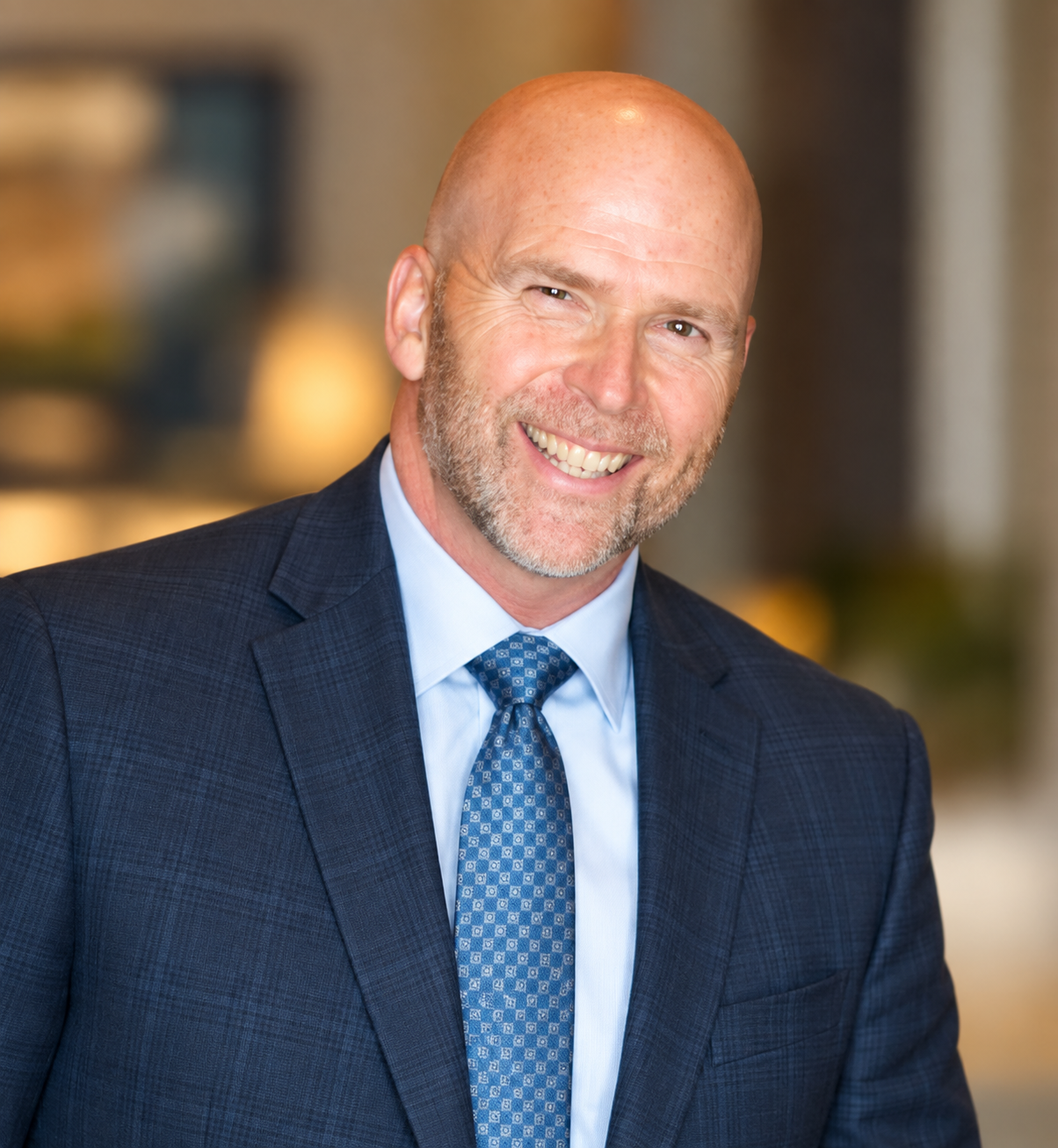
Horse Trainer, Podcast host
Bob Griffin’s journey in the Saddlebred industry began when he started riding at the age of 13. Just a few years later, at 16, he was honored to win the National Pleasure Equitation Medallion Finals in Kansas City—an experience that helped shape his passion for the show horse industry. Over the years, he was fortunate to learn from respected horsemen and women like Marlys Bell, Rick Wallen, Andy Freseth, and Dick and Jeanette Durant. In 1999, alongside Tom Thorpe, he co-founded Northern Tradition Farm in Minooka, Illinois, and with the support of generous and loyal clients, Bob has had the chance to be part of the careers of some amazing horses and riders. Wanting to give back to the industry that has given him so much, he recently partnered with Gabby Greco to launch the Stable Minded Podcast aimed at sharing stories and celebrating the people and horses that make the show world so special.
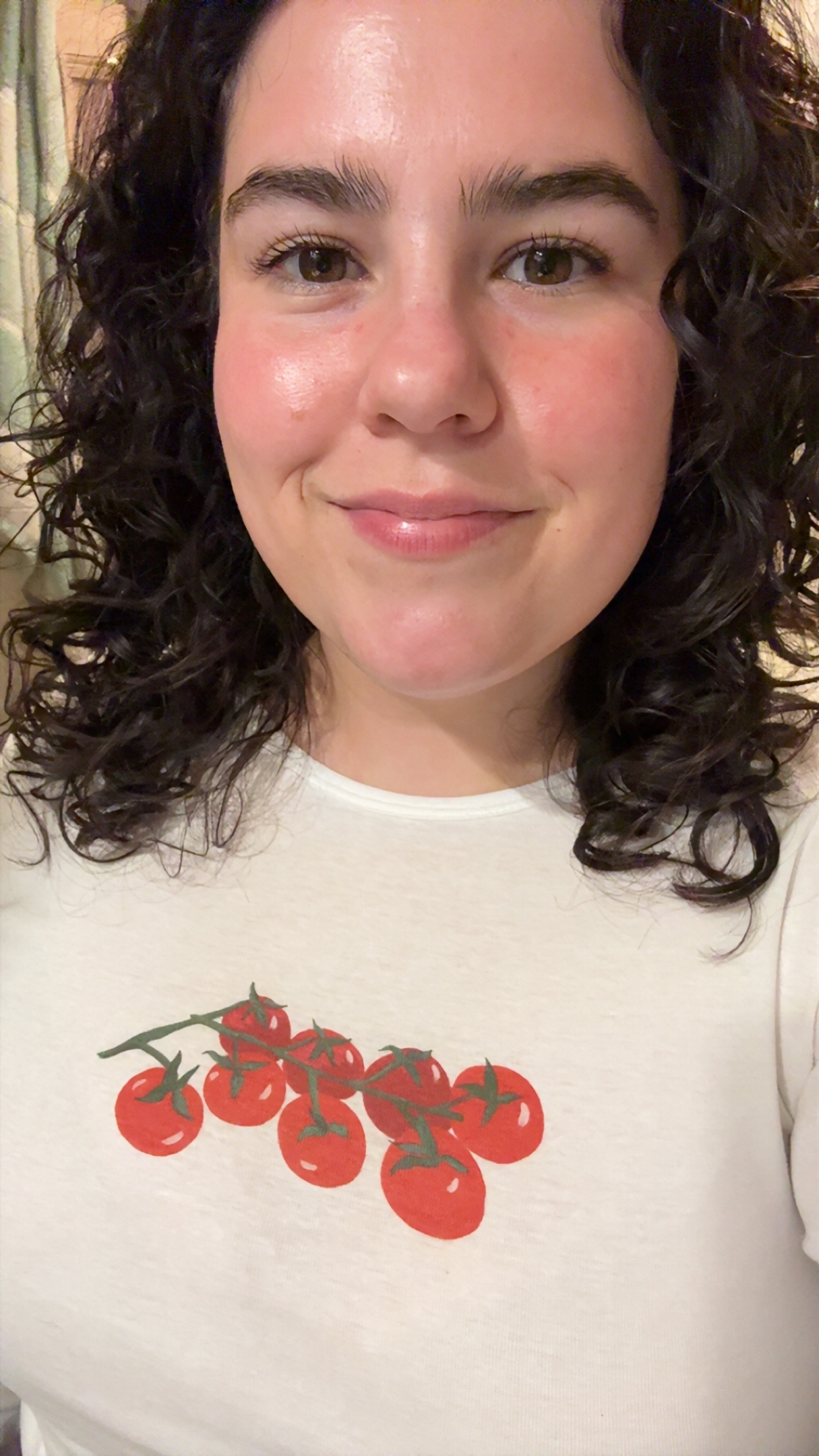
Horse Trainer & Instructor
I have been a trainer and instructor at Highland Ridge Stables in Concord, WI for the past 10 years. Since I was four years old, I have been riding, taking care of, and showing American Saddlebreds. I really enjoy teaching and starting new riders in the world of Saddleseat and introducing them to the American Saddlebreds!