What the Saddlebred World Cannot Afford to Lose with Ellen Beard and Martha Hoyt


In this episode of The Long Ride Home, Alex Husner is joined by Ellen Beard and Martha Hoyt, two lifelong horsewomen who have spent decades teaching, training, building riding programs, and watching the American Saddlebred world evolve.
Their paths through the industry have looked different, but both have seen the same changes firsthand: smaller horse show classes, fewer local barns, rising costs, and a growing need to develop the people who will carry the sport forward.
Ellen and Martha reflect on the barns and programs that shaped them, the responsibility experienced horsemen have to share what they know, and why mentorship may be one of the most important pieces of the industry's future.
The conversation also turns to what it takes to become a capable rider, why time in the saddle still matters, and how teaching adults often means learning to work in “horse time” rather than expecting immediate results.
🐴 In this episode, Alex, Ellen, and Martha discuss:
12:15 - Rider Conditioning, Teaching, and Sharing Knowledge
23:57 - How Ellen and Martha Became Friends and Podcast Co-Hosts
28:56 - Is the Saddlebred Industry Shrinking?
30:43 - Smaller Classes, Disappearing Barns, and a Changing Industry
35:51 - The Realities of Keeping Riding Programs Going
37:01 - Mentorship and Developing the Next Generation
41:43 - Why Time in the Saddle Still Matters
46:37 - What It Takes to Become a Strong Rider
53:02 - Coaching Adults Returning to the Saddle
56:40 - Learning in “Horse Time,” Not Human Time
1:02:26 - The Psychology of Teaching Adult Riders
1:04:48 - Martha’s Secret Weapon for Teaching Lessons
It is a wide-ranging conversation about where the Saddlebred world has been, what is changing, and the people, knowledge, and programs worth carrying forward.
Connect with Ellen:
Facebook: https://www.facebook.com/ellen.s.beard
Connect with Martha:
Facebook: https://www.facebook.com/martha.thompsonhoyt
Check out their Podcast here: https://open.spotify.com/show/033EGFI3vAjCKHnnaSTh3R
Follow us on Social Media:
Facebook: https://www.facebook.com/thesaddlebredpodcast/
Instagram: https://www.instagram.com/thesaddlebredpodcast/
YouTube: https://www.youtube.com/@thesaddlebredpodcast
#americansaddlebredpodcast #saddlebredindustry #equestrianlife
05:28 - Ellen Beard’s Journey Through the Saddlebred World
12:15 - Rider Conditioning, Teaching, and Sharing Knowledge
17:10 - Martha Hoyt’s Working-Barn Upbringing
23:57 - How Ellen and Martha Became Friends and Podcast Co-Hosts
28:56 - Is the Saddlebred Industry Shrinking?
30:43 - Smaller Classes, Disappearing Barns, and a Changing Industry
35:51 - The Realities of Keeping Riding Programs Going
37:01 - Mentorship and Developing the Next Generation
41:43 - Why Time in the Saddle Still Matters
46:37 - What It Takes to Become a Strong Rider
53:02 - Coaching Adults Returning to the Saddle
56:40 - Learning in “Horse Time,” Not Human Time
01:02:26 - The Psychology of Teaching Adult Riders
01:04:48 - Martha’s Secret Weapon for Teaching Lessons
Alex Husner
Do you think that part of why there's not more content about saddlebrads and about training on the internet is because people are worried about giving away secrets? I feel like the industry, from what I can tell, is it feels very similar to when I left, that it is still kind of closed off in a lot of ways.
Martha Hoyt
I don't really think that's it at all. I think I am more concerned really about the industry shrinking in general. We used to have like easily 18. We'd go to a horse show, there'd be easily 18, 17, 16 people in a class. And now most of your classes have one, two, three riders. We had 12 barns just within one block. 12. But they've all gone.
Ellen Beard
And really, I am now the last small. We are only as good as our next generation. It didn't matter how many places read. When I was teaching at Stevens, we turned out some really beautifully talented teachers. We lost them within the first five years.
Martha Hoyt
What percentage do you think you lost, Ellen?
Alex Husner
Welcome to The Long Ride Home. I'm your host, Alex Huisner. This show is about honoring where we come from, pursuing what still calls us forward, and trusting the power of timing in both life and in sport. Through honest conversations with riders, trainers, and leaders in the American saddlebred world, we'll explore the stories behind the horses and the people shaping the future of this industry. Come on this journey with me. Welcome back to the long ride home. I'm your host, Alex Houster, and I am joined today with two legendary ladies in the American saddlebred world, Ellen Beard and Martha Hoyt. Good to see you ladies today. Nice to see you today, too. Glad to be on.
Ellen Beard
Thank you for inviting us. We're we're thrilled to be here.
Alex Husner
My pleasure. Pleasure is certainly all mine. And we all connected probably a month or so ago. And actually, Lisa Jensen, who was my writing instructor way back in the day, she had seen one of your posts about starting a podcast and she tagged me in it and she said you should talk to them. And so I reached out and Alan, you and I started chatting, and then we got on a phone call and found out that you actually were moving up to Southport, North Carolina, which is not that far from me. And then we got together with Martha and we've just had some fun so far getting to chat, but stirring up some trouble, which that's your podcast.
Ellen Beard
Yes, it is. We've had a lot of fun going through the growing pains and the development process. So every time you can see a little bit more progression on you know, fluidness and the production sides getting better. It's really a journey, but it's been a lot of fun. And Martha's a hoot to work with.
Martha Hoyt
Well, it's just kind of fun because we like to go and share all of our trials and tribulations, you know, with our audience as well. So, you know, that's kind of fun. And I was so excited because I learned how to do like a professional thumbnail last week that I thought was really a lot of fun. So it's like, oh, I'll make one, I'll make two, I'll make three. So yeah, just it's a lot of fun.
Alex Husner
I I'm super impressed that you guys are doing this. I mean, like that's it, there's a lot to podcasting, and you're actually doing all of it yourself as far as the editing. And that's that's really the hardest part, to be honest. I'm blessed that I have an editor because my other business is a business podcast. But I remember in the very early days, I for the first year I did all the editing myself. And I'm glad that I did it, to be honest, because that actually taught me one, how it can be very tedious, but also it just it taught me like what I wanted the show to be and how you know the future of what we wanted to do there. But it also initially taught me or showed me, and that's I'm not perfect, but it showed me places that I needed to improve in in my speaking when I had to edit a lot of people.
Ellen Beard
Exactly. Exactly. The podcast program will allow us to take the first round of ahs out, which really helps doing the production. Both Martha and I have realized how we are repetitious in some of the lingo that we use and the likes and the you know's and those kinds of things. So it's been really enlightening to try to tighten the verbiage, which is interesting because I know when I am talking to someone as a you know one-on-one, I stumble over words a lot. But when I'm teaching, I am so crisp and I know exactly, I mean, I don't know what I'm gonna say. It just comes out. But if I hold a conversation with somebody, I may stumble over words quite regularly. It's it's always been a little interesting to me.
Alex Husner
That's a really point. And I've noticed that with uh trainers that I've ridden with too, that I mean, in the back in the past and even now, that same thing, like when they're shouting at me in the arena, it is totally crisp, clear what that thought is. But it, you know, isn't that interesting if it's like something in your your mind so well that you know that you can just convey it perfectly in those instances.
Ellen Beard
It just needs to go on automatic pilot.
Alex Husner
Yeah, you do. But you guys have done a great job with the show so far. And I've told you this before, but I think yeah, you're welcome. Um, what what you guys have is you have on authentic conversations. And I think, you know, with both of your histories and how much experience you have within riding, you know, you're a wealth of knowledge. And so I knew more about podcasting, and you guys know more about riding and training than I do. So it's kind of a good little uh trio that we've formed here that we can help each other. But but before we get too far into it, I want to kind of just set set the scene and let the audience know who each of you are and what your background is uh within the saddlebred. So Alan, why don't we start
Ellen Beard’s Journey Through the Saddlebred World
Alex Husner
with you?
Ellen Beard
Well, I've been a lifelong equestrian. We started with ponies in our family, and then my father was very instrumental in my uh passion for horses, and I would bug him to death to go take riding lessons, and finally he relented when I was 10 years old, and even though I had ridden, you know, grade ponies and horses and stuff. And I was introduced to um back up to the Souter Bread at 8 by a friend of mine, and dad had a colleague whose daughter rode at Black Magic Land over in Rockport, Indiana. At that time, Raymond and Lillian Shivley were at Black Magic Land. So that was 1972. Dad took me over there to Black Magic Land to start the lesson. I unfortunately lost my father at age 12. At age 11, Roman and Lily had lost their son. And then we also had a barn fire in there too, and lost a horse. And through all those kind of tragic events, we became very close. And James Nichols was the assistant there at the time. He's 10 years older than I, but we were very close in in terms of I babysat Kate, his oldest daughter, when she came home from the hospital. So essentially, I would help Raymond on the weekends and as much after school as I could at Black Magic Land while James and Lillian uh established the lovely farm, which was down the road a couple of miles. So that's the way I started. And then I just tagged along and did anything and everything that they would allow me to do, and was Lillian's assistant uh by the age of 13. I was teaching with her. And one of our podcasts would talk about ageism. I don't know if you heard that one, but I explained my philosophy and ageism works at both ends of the spectrum. You can be young and people doubt you, or you can be older and people doubt you. So uh throughout my career, that's uh you know, something I had dealt with. But then I went to college, came home from college, went back and taught college, which is tough to do to teach your students. And some of my friends is students, I should say. So during that class, during the 80s, it was like 85 to 87, I had Ellen Ogletree, Susie Rambler Day, Julie Kaufman, Alicia Ward, Shelly Coster, Aaron Rutter, Jana Weir, Mindy Partee, Marjorie Judd. I'm sure I'm missing some people. But I had the who's who of students. And that was really a cool time because again, I couldn't be the teacher, so I was a ringleader. And then I went back, I stayed there for a couple of years, and I went back home to the lovely and stayed there a couple of years and then ended up going to Christakel and spent uh 14 to 15 seasons with James Nichols running Christakel Farm. And then I went back to Stevens to help reinvent it when it was really struggling in 2005 and stayed another seven years. After that, I developed my own business called Success in Saddles based on the simple principle of at that point in time, I had done a lot of service work, you know, spending time on different committees. Uh, the International Saddle Seat Equitation Committee, I was president, president of the World Cup Committee with Cindy Bowl. She and I both were in charge, I think it was four terms on the USEF Saddle Seat Equitation Committee. I'd been on the UPHA Equitation Committee for I don't know how many years. Lisa and I used to serve together there. But anyway, I had a broad range of experience. And at that time, there weren't many people. There are more now, but there were not many people that had as broad a range of experience because I worked with the Airbus Morgan's National Show horses, Hackney, Standard Bridge, everything. So I wanted this business to be a more than anything, a service business to provide a service to those that, you know, we can't be there 24-7. There's always something that needs to be done. And having that broad background, I wanted to be able to serve my fellow professionals in a capacity, whether that was uh something I learned teaching college was peer reviewed, you know, going in and, you know, let me just watch what you have. I'm having some ideas. You may be doing great. And we all need to know that when we are hitting it on the nail on the head, as well as what we could do better. So the premise of the business is really empowering with a new set of eyes. And as a result of all the work that I've done, I brought into the industry all the weighted training gear that actually started in the 80s with a program that I was working on called Econ Athletics because I stood outside doing lunge lessons and I was a shock putter and discus thrower, and I would get bored. So I'd try all these different training techniques and body development techniques. And Terry Chancellor, who showed the Phoenix, was my guinea pig. Wow. So she went through a lot, as were all the aquitation kits. And I have some pictures where I have a weighted toe cap, which is to develop your inner thigh strength without stirrups by keeping your foot in the right position. And that originated as two rocks on a string. So I have a picture of that with uh Allie Howe, where we did that. And then after I left Stephen, I knew what I wanted, but I couldn't find it in the store. So I I was researching athletic training gear and ran across uh ironware fitness. So I literally picked up the phone and called over there and I talked to the owner, Arnold Cook, told him what I wanted. He goes, Oh, I know exactly what you want. I used to ride dressage. So I met with him and he went through his whole arsenal of weighted vests and he pulled out everything was too heavy, but he pulled out this one that's called a speed vest that that's what they call it now. It was actually an osteoporosis vest he custom made for a lady. And the weight and the structure and the flexibility of it, everything was perfect. So we sold that. We got it really uh together, he and I together really infiltrated the training, the instructional market very quickly with that. And then some custom made pieces the toe weight, the heel weight, uh, we have hand weights, we have a head weight that's is used for boxers. It's all the thing, you know, the same thing. And what it helps to develop is your proprioceptive. And it's not that you train in it all the time, but when you feel a little bit out of sync, it makes you become more efficient because you get tired of fighting it. And we have a pair of chaps that are were designed for speed skaters. So the combination, I jokingly call it the riding sausage suit. And again, it's not, you know, a crutch, but it's a conditioning and an awareness tool. And we've done some great work with it. So I'm very proud that we brought that to the industry and the communities to think about our bodies from an athletic standpoint beyond just the horse and compliments.
Alex Husner
But that sounds fascinating. I've bought so many things off of Instagram since I started back into writing. Oh, I haven't seen anything like that.
Rider Conditioning, Teaching, and Sharing Knowledge
Ellen Beard
I have mine here. Um, some of it I have here. I'll lend it to you.
Alex Husner
Yeah, yeah.
Ellen Beard
Uh, but the other thing that I'm really proud of is the UPHA equitation book that is now, I think, on its third or fourth edition, actually was a senior project from Stevens College. Oh, okay. And uh I happened to find it one of Shirley Drew Hardwick's uh students did it for a senior project. And I found it cleaning out the files and told Lillian that we needed to take it to the UPHA committee and expand upon it. So I literally took, you know, the poster board and I recreated the book in poster board, handwritten and everything, and did a presentation on it. And that's how that started. So I'm really proud that we had a very important asset to help with uh what's being developed now. That's really pretty cool to see. So there's I could go on and on and on, but those are some of the highlights. But the the success in Saddle's program is um pulled back a little bit right now as I'm trying to re-evaluate the next steps because it seems like everything's really solid. The instruction is very, very solid for the most part within our industry. So where are our needs now? And you have the opportunity, I think, from your perspective to help enlighten those needs and then see what do we need to grow from there. And Martha and I work on this from our perspective in our conversations. We know from our experience, but it'd be great to hear from your experience where you see the need.
Alex Husner
Yeah, I mean, I I see a lot of needs. And besides the devices that I've bought, which I haven't really used, I got two. I got uh the first one was these bands that go from the top of your shoulder to your opposite foot, and we couldn't figure them out the first time I tried them, so we just put them away. And then I have another thing that you it's like plastic and it goes on your lower back and it kind of keeps your elbows in place. And again, I tried this very early on when I came back to riding that it was like I had no control of the horse with it. But I do use it at home sometimes just to be sitting and just to remember where my elbows need to be, and they do need to come back more, but they're they're coming back a little bit more. But I think, you know, just in in general, I've been so shocked that there's not more public-facing education about saddle seat riding. And, you know, there's probably tons of people like me that, you know, they're at a barn and they're taking lessons, but they want to know how they can improve more, you know, in the time when you're not in the saddle, whether that's exercises or if it is, you know, some of the weighted things that you're talking about that you bring when you go up for your lessons. But I think there's definitely things we can talk about on that side. And I don't know if you guys saw my video the other day, but I used my exercise bands pretending like it was a full bridle and I had it hooked up to the table. And so I practice shortening my reins, extending my reins, moving my wrists up, moving my wrists down, what that does to you know, the snaffle and the curb. And it's been super, super helpful because that's one thing I've really struggled with is just rein handling. That I once I get on the horse, I'm like, oh my God, I feel like I'm constantly behind trying to get my hands in the right place and the reins where they need to be. But that leads to trouble, you know. So it's like these bands have actually worked great because I don't have a bridle at home. But I think there's more people like me that would want to practice stuff like that at home.
Martha Hoyt
I was gonna ask Alex, who's I'm curious now. So looking at you as an amateur, you were talking about riding in the full bridle, which is very interesting. What are the things that you find as an amateur very difficult about riding in a full bridle?
Alex Husner
You know, it's not even j just the full bridal part because most of my rides right now, I'm not in a full bridle, but and I don't even know what the bridle's called that I wear mostly with chapstick, but the reins, the top rein is a is a much thicker rein than actually both reins are much thicker than a full bridle. And I think once we get to full bridle, I will be better at that than I am in this set because I really think it's it's it literally feels so clunky in my hands how thick the reins are that it's like I just feel like I'm always, you know, trying to maneuver them. But uh when I have ridden other horses in a full bridle since I've been back, it's just it feels so nice because they just fit so nicely in my hands. Um, but I mean, I think it comes down to just you know relearning how to adjust your reins without having to, you know, go over and and pull them and you know mess the horse up and just getting that finger mobility because I mean, you know, the last 20 years of my career, I'm mostly they're mobile, they're typing a lot, but that's very different than the mind and hand body connection of like knowing what I need to do without having to look down to do it, you know, just stuff like that.
Ellen Beard
There are exercises I think Martha and I could probably share with you that are fun. And I can uh I've made several barrel horses with a rain board and a system on them. And they're not hard to make. If you want one for your house, we could make one for you.
Alex Husner
Oh, that'd be awesome.
Ellen Beard
If you have the tools, all my tools are in storage, but yeah, my husband has tons, so we've probably figured out.
Alex Husner
Let's um we'll circle back to some of the things that you talked about there. But Martha, a little bit of history on you and your riding world.
Martha Hoyt’s Working-Barn Upbringing
Martha Hoyt
Okay, my riding world is way, way simpler than what Ellen's is because mine was a little bit more of a working class. So my dad and mom had a stable that they had at least um in downtown Chicago called New Parkway riding stables. And then from there they actually had, which was fun. The stable was located right out of, really right out of Lincoln Park. You walk basically right out of the barn, and you could go and ride in Lincoln Park. So they were down there, yeah, until like 1966. And I think they were there, I want to say like maybe 1957, it could have even been earlier, but I wasn't born until 1960, so I'm a little probably a little fuzzy on any time before that date. But and then they moved out to the suburbs. But my exposure is definitely getting back to like what we call the grassroots type of a you know, horse shows and showing. So in the 60s, my dad did a lot of when he was younger, he started off and he worked with my aunt, who was AC Thompson, and she was a very avid shower of saddlebreds, hackney ponies, hunter jumpers. And then my uncle, who was Eddie Bruns, he had actually married my great aunt, AC Thompson. And then later on, he was like really good friends with Bob Irwin and stuff and Laurie Berg. So they were over there at VIP. But he had started working. My dad started working, like when he was 16 years old, he was working full time because he was raised in the depression. So a lot of a lot of people at that time didn't even finish high school. So he kind of went to the horse business that way, went into leasing the barn downtown, and then he bought his own place in 1960 and then had to move out to Payless Hills in 1966 because at that time the city had gone and closed all of the they didn't want any more riding stables downtown. That was like they were into the whole urban renewal and all the stables then were out. So in the 60s, my dad did a lot of hunter jumpers, a lot of different grade horses. So I was brought up on quarter horses and Arabs and Morgans, and they would buy horses from all of the different auctions, bring them into the barn, and then he would work with the horses and then resell them either like pleasure. They did like some show horses, but we didn't do like the show horses, like per se, like what Ellen did. You know, they did have horses that they did get to show downtown, you know, at the you know, down at the uh amphitheater and stuff downtown. So that was kind of fun. But um, all of the stuff that we did was a little bit more basic, but we I actually learned to do all different types of stuff. Like I was clipping horses like when I was eight years old. So at eight years old, there I am with my clippers, clipping my horse, getting it ready for the horse show, you know, and I would we would just go to all the local horse shows, the different 4-H fields, the different fairgrounds, and we would hit all of those horse shows with all different types of horses. We went to society horse shows, so we did, like I said, we did everything saddlebrids, morgans, hunter jumpers. And then eventually, when I was like in high school, my dad then his true love, then he went into thoroughbred racing. He loved thoroughbreds. That I have to probably say was his favorite thoroughbred racing. So, and by that time I was kind of in college, so I kind of did the college thing. And then once I graduated from college, then I did go, I didn't know if I was gonna go into marketing or if I was gonna stay with horses. I ended up staying with horses. But it was kind of funny because even as I was growing up, we would take out trail rides. So when my dad had moved out to the barn in Paleas Hills, we literally did trail rides, and this is no exaggeration. So where you learn how to ride, you would ride eight hours a day. You'd start taking out trail rides at eight o'clock in the morning, and then you would take out trail rides for eight hours a day because that's you know, when you kind of owned your own place, that was how you derived your living. So we were very much, you know, the working barn with the tie stalls, and you know, and then eventually the tie stalls got turned into box stalls, the pleasure riders then kind of went and turned into show riders. But even to this day, when you go into our barn, it's a very unique experience. We have people that do go to horse shows, but I have a lot of pleasure riders, and I tell people that all the time. People that just come for, you know, lessons. I have a Tuesday class where I have like nine to 12 riders that are between the ages of you know 48 to 73 that ride. So we do a lot, we still do a lot of that. We do a lot of summer camps. We still have a full working riding lesson program. So we still do all of that. And the horse show stuff is fun, but it's not the it still is not the majority of what we do, only because my staff finds horse shows to be very exhausting. So to be honest with you, a lot of them do prefer, a lot of them prefer to stay at home and they would really rather teach at home and just kind of teach, you know, the lovely ladies that I have. And a lot of the ladies that I have that come in for lessons. I mean, this is no joke. They have three to four private lessons and they'll ride in at least two group classes. So that's, and I'm a big believer, like you're talking. About getting fit. The best way to get fit is to do an hour group class. Because we put you through, I mean, I put you through the whole thing. You've got to still, no matter if you ride saddle seat, you have to do the two-point positions, you have to stand, you have to ride without stirrups. We do all of these. We do, if we go to Lexington Junior League, I'll take the pattern that we did at Lexington Junior League. My ladies at one o'clock, they'll they'll perform that pattern in their class. I mean, they're all very proficient riders, but a lot of them, you know, they don't, you know, they're really not that a lot of them. I have some of them that, you know, they they'll show a little bit. I have some that do show, some that show a little bit, and some of them they don't ever show. They're fine with that. They they just like doing all the work. And they're all very and they like coming out to the barn and hanging out with their barn. So that's kind of what the that's the flavor of the barn that we have. Um, we roughly have maybe about 75. We used to have about 95, but we have about 75 horses that are on premises. Yeah. So 75 horses on five acres. Yes. Wow. But that's what we're on. Yeah, yeah, one time we want to space 95.
unknown
Yeah.
Martha Hoyt
We used to have 95 at one time. And we also try to do a little bit of breeding, but we do a little bit of everything. So if somebody walks in and says, Oh, I want to learn how to do this, I go, Okay, I'll show you how.
Alex Husner
Yeah, oh, that's so cool though.
Martha Hoyt
Yeah, yeah, it's neat. Yeah, it's different. Yeah, it's different.
Alex Husner
Yeah.
Martha Hoyt
So it's very and it's still outside of Chicago, you said? Yeah, we're 20 minutes right outside of Chicago. And you know, Chicago is always about traffic. So if there's no traffic, we're 20 minutes away, or if there's traffic, I could be two hours away. It's all about traffic.
Alex Husner
Well, next time, if I ever am up there for a conference, you're always welcome. Definitely coming to see you. I'd love to it's fun.
Martha Hoyt
It's yeah, it's it's a fun place, it's really it's
How Ellen and Martha Became Friends and Podcast Co-Hosts
Martha Hoyt
very unique.
Alex Husner
And now, how how did you guys meet? I mean, I'm sure obviously you're crossing your paths crossed over the years, but like where what was the beginning? Do you remember?
Martha Hoyt
I don't know.
Alex Husner
I don't remember.
Martha Hoyt
I don't even remember. I'm pretty sure I met I know that I knew Alan when she was at Christophalt. So, you know, then we would kind of like, oh hi, you know, and same thing, you know, James. I'd always wave because James Nichols was always still to this day, always very charming, always very nice, always, you know, he was always very friendly and very easy to talk to. So you know, you'd always stop and chat.
Ellen Beard
So yeah, Martha invited me up to do a clinic now two winters ago. Okay. And we just chatted it up at dinner, and it was just so easy. And we decided at some point in time we should go on vacation together. That'll not happen because we don't we can't take vacations.
Alex Husner
No, they don't. Yeah, they really don't. And I think that's a hard part of the industry, to be honest, is like, you know, I mean, the the work that it takes to be a trainer, to run a barn, to be an instructor. I mean, it's it's a grueling job, it's a fulfilling job in a lot of ways, but you really sacrifice a lot of your life to what you're doing when you're in this business.
Ellen Beard
Yeah, you absolutely do. And Martha had started her TikToks, and I thought her voice was so soothing. And so I texted her. I said, Martha, I love your TikTok. I said, maybe we should do a podcast together.
Martha Hoyt
I think my voice is better in the TikTok though, because it's easier to, I really try to, you know, kind of drop it because I think in a regular conversation I get more excited. So anyway, that's how we ended up with that.
Ellen Beard
Yeah, then we ran it. We're both uh, we both decided we want to learn and be ahead of the curve on all this AI stuff. Yeah. So we independently and collectively just ran a bunch of ideas through all the different models. Claude and chat and co-pilot threw out some ideas for older equine women that want to talk about life through that lens, not necessarily how to be a better writer or just a better, the best version of ourselves and what we learned because of our profession that's going to allow us to become the best version of ourselves. And if there's one little nugget that we share that's useful to somebody, then that's a bonus. But I'll have to tell you that after our first podcast, a couple of my friends said, Again, I said, What did you think? And they said, Well, that's really random because it's very conversational.
Martha Hoyt
I think that's what they like about it because we our podcast is a lot of times what our telephone conversations were. And that's how we developed the idea for the podcast. Because when we would go and call and talk on the phone, we would like to talk for like 45 minutes to an hour. Yeah. And we were like, you know, this would be a great conversation. We'd go, this is what we should be doing the podcast about because we would just throw out various topics or discussions, and some of it would be horses, some of it, then we'd go to talk about the industry. Yeah, and we could talk about a couple people, and then we would talk about then like just being a bunch of old broads or things that were going on in our life, you know, type of a thing. Yeah.
Ellen Beard
And Martha's hilarious.
Alex Husner
We need you've got a you've got a good chemistry together. And I think that's the most important part. I mean, if you if you're gonna do a show where it's you and somebody else, you really have to have a good chemistry. And I think between both of you, anything that you share, you're you hit the nail on the head. I mean, you could have a 45-minute podcast, but one thing you say in that episode could be a complete light bulb aha moment for somebody that's gonna make a difference for them. And I was up, I take lessons at Scotland's stables normally once a week now. I'm trying to do it on the way to go to Chapstick's barn at Meraki. And Jeff Shelley said, we're talking about how, you know, there's just not a lot of public attention or videos or YouTube or anything about, you know, saddle seats and saddlebreads. And he said, you know, I the way he looks at it is I always want to be able to share what I know with somebody else because when I die, that knowledge goes with me. And he said, if I'm in the warm-up ring and I see somebody, a trainer or rider struggling with something, he's like, I have, you know, no problems going up and just saying, hey, you know, you might want to think about this, and not because I'm trying to be critical, but just because I've been doing this a long time. And sometimes, to your point, Alan, of like the Success in Saddles program, sometimes it just takes somebody from the outside pointing out something that you don't realize, you know, whether you're a rider or a trainer. So I mean, everybody has different experiences. Everybody's worked with different horses, and I know there's a lot of similarities, but there's also there are some things that are unique to your own experience of how you've developed over the years. And and on that, a question I have for you guys is do you think that part of why there's not more content about saddlebreds and about training on the internet is because people are worried about giving away secrets, that it's like trade secrets. And I feel like the industry, from what I can tell, is it feels very similar to when I left, that it is still kind of closed off in a lot of ways, that people kind of they like, you know, protect kind of what their thing is, but interested for your take on that.
Is the Saddlebred Industry Shrinking?
Martha Hoyt
To be honest with you, I don't really think that's it at all. I because I'm always very willing to go and share secrets or whatever. I could be honest with you, I don't think that any of it is a secret. So you know what I just think if you're an instructor or whatever, you just really want to go and share the information. I am more concerned really about the industry shrinking in general. And I think that's why maybe you don't see as much information out there because it's really more of a shrinking industry, it's not getting bigger, it's really getting smaller. And I think that's and Ellen and I talk about that, and I'm sure that you've seen some of my TikToks out there. You know, I talk about I talk about this all the time. You know, the numbers, the numbers are speaking, and it's not because people can sit there and say it's the number of horses that are decreasing, because that's not it. It's really our industry in general. And I have I personally have seen a lot of changes because I mean, no offense, you know, I'm probably one of I've been doing this for a very, very long time, and I have seen major changes in this industry. And I personally don't think they're very good. And I would be, I'm a little concerned to see like what's going to happen in the next 20 years, and that would be such a travesty because I personally think that the American saddlebred is probably one of the most beautiful horses. Really, they're good, they're gorgeous, they are athletic, they're brilliant, they're wonderful. They're I can't, you know, I just think I just posted uh another reel yesterday of my Tuesday class. They're all saddlebreds, you know, hunters, you know, they're all different types, but they're all beautiful. And that just kind of worries me. And I know the breeding numbers are down. My thing is, I think the big secret is that nobody's really talking that much about that, and that's maybe what they should be talking about.
Alex Husner
Honda, what are some of the big changes that you see now compared to how things used
Smaller Classes, Disappearing Barns, and a Changing Industry
Alex Husner
to be?
Martha Hoyt
Oh my goodness, like the class sizes at horse shows. When I was like younger, when I was first, and I'm sure Ellen, we used to have like easily 18. We'd go to a horse show, there'd be easily 18, 17, 16 people at a class. So when you would win a class at a horse show, I mean you want a class. That was a big thing. Oh, I I gotta win a first out of 18, you know. And now, you know, most of your classes have one, two, three riders. You'll have a couple of classes that you'll go, oh golly, look, there's eight or nine in there, you know. And they have, you know, the what's on the Huntseat classes, those classes seem to be big. Now in our area, we have a lot of the single big classes, which um those are taking off like crazy. A lot of people like those, those classes will be big, but a lot of your other classes, you know, they're small. So, you know, my question is, and the horse shows are so long, they go from morning all the way till like the evening, and it's a lot. I think some of that maybe might have to be rethought of and reworked, you know. But I know everybody likes to talk the talk, but eventually somebody's gonna have to start making hardcore decisions on how you're actually gonna change it and just stop talking about it and do something about it. So what about you, Ellen?
Ellen Beard
What do you think? I look at our knowledge very much like musical song. And in music, there's 12 notes. It's how you apply those notes, the intention behind it, the cadence, the rhythm, everything. I've never shied away from sharing my knowledge because my knowledge, nobody can replicate the delivery because the delivery of that knowledge is theirs, it's not mine. I think a lot of people that I have worked with, when I first start with them, they're relatively insecure. That doesn't mean that they're not very smart. And a lot of the people that I have spent many years with are in the trenches. They're not where you could cross the street and sell a horse or cross the street and have a tournament. They have to manufacture the pipeline for their business structure and they have to make a business out of what is available in the region. And just like what Martha stand, you might have some of everything. Just because they are in those remote, more remote areas does not equate to lack of talent. However, when you come from the outer regions into the nucleus of our industry and you're not, you know, maybe easily recognizable or what have you, there's a whole process. And for many years, uh the professional associations did not do a good job of outreach that is slowly changing. And they are getting better at it. There's a long way to go to have people feel like they're truly on equal footing. And then you have all the the rest of the equations of you know, supply and demand and the cost of doing everything, and the fact that the our public is used to pushing a button and getting a result. You're unique, Alex, because you want it and you really, really want it, and you are putting the work in. Not everybody wants to do that.
Martha Hoyt
They don't also and she also puts in the drive to go there. So I kudos to you. Because as I listened to this young lady, so here you go. And I think you hit it right on the ball. So in the area that I was in it when growing up, we had 12 barns just within one block. 12. Yeah, wow. Because we were like really right, because we're right across the forest preserve, but they've all gone. I am the last Mohican. We have two other barns that are like down the way. The other barn now has turned into has taken their barn, and it kudos to her too. So, and I don't, you know, so please don't read anything into this, but they actually made a party barn out of it. She took the barn, made a party area out of it where they're just going to do uh some pony rides and stuff. But this kind of goes and shows you, too, that there's it is just kind of dropping away. And we're also have to compete against. Here's the other thing we have to go and compete against all of the extra um sports that are available now. So now we have a lot of after-school volleyball, soccer, and all of these kids are on traveling teams or on three or four different volleyball teams. So we have to compete with all of that. And and Ellen is right in our area too. If parents have to drive sometimes more than 45 minutes, they'll go, Oh, this is so far away. And I remember people used to drive three hours away to go and take a horseback ride. Yes. And this young lady here, she travels all over the place to ride. A lot of people don't have that type of, you know, they don't have that type of drive. And I keep one of the things I keep pounding to the public, and you'll see whatever I it's kind of funny if you kind of you can always kind of tell what type of mood I am by what I post on TikTok or whatever for a given day. But I'll, you know, I one of the things I'll be out there, I'll be going against saying, you know what? Support your local barn. Get out there, you know, do something because you know what? All of these, like a barn like I have, it is you're never gonna find anything like that in another 10 years. It's just it's not gonna exist. So, you know, if you want to keep some of these places around, you have to support them. And you know what? And by supporting them, that means you got to throw some money at them. You know, you can't just go in there. I can't tell many times two people go, Oh, are you good? Do you offer free horseback riding lessons? And I'll go, no,
The Realities of Keeping Riding Programs Going
Martha Hoyt
you're right. I'll go, you know, this horse has to eat, you know. Yeah, you have a snap, you have to go and pay. And I'm like, no, you want to be part of the industry, part of the group. You also have to make the time contribution, and you also have to make some type of a financial contribution because the overhead for Barnes is so expensive, and it gets more expensive by the year, and I think that's why a lot of people going into it, they just get frustrated because you spend hours and hours and hours. And sometimes I've sat there at the end of the day and said, Oh, look at me, I made one dollar and 17 cents per hour today.
Alex Husner
No idea when you deduct everything they had to pay. Right.
Martha Hoyt
Lucky me. Yeah, yeah.
Ellen Beard
There's another equation to that too, and there's battle against it as instructors and trainers is the perception that our children meet at school when they go to school and someone they tell somebody that they ride, first thing they hear is, oh, that is so easy. You know, I I don't know why you're doing that.
Alex Husner
My horse doesn't rich, you know, or something like that. I mean, I think there's connotations there too. Yeah.
Mentorship and Developing the Next Generation
Ellen Beard
So we have to empower our students to be able to ride the wave, being different.
Alex Husner
Yeah.
Ellen Beard
And if I spend a lot of time when I'm doing these clinics just in round tables with the kids, yeah, and explain to them how brave they are to do something that is not the norm. And that before they have ever accomplished a ribbon, they're brave to put that foot in that stirrup. And that when they think about it in that way, in that manner, the same thing with you, Alex. You may, I don't know if your peers kind of tease you about riding, but you know, your bravery and your heart, you know, to put that foot in that stirrup and to even attempt to become a working partner with an animal that has its own agenda. Yeah. It's not a football, it's not a basketball, it's not a tennis ball. Yes, those have their own agendas if they're hit the wrong way. But the sport that we do just offers so much to so many. But we have to, you know, I was just listening to another podcast about mental health and coaching. We have to be able to coach our clients through those tough moments. And we have to be able to empower our clients so that one of the circling back to a point that you made, that we have to empower them to be a part of the process where the professional doesn't feel a threat. And there are great clients and they're awful clients, they're great trainers and they're awful trainers on both sides of that equation. Most of the time they didn't start out that way. There was some event on either side of the equation that flipped the switch with a bad experience. Or they didn't have the mentoring along the way. And that's something I think our industry is trying to work on is the mentoring process of it. Yeah. And I just hope that we have enough time to do that. If you look at the programs that are thriving, they either fit into the category where they develop young horses, the breed, develop young horses, sell those horses into the pipeline, where they have a substantial kind of a riding program underneath that that builds the riders up into the juvenile amateur ranks. You know, Lisa did that, she did that. You know, there's several around the country. There are not enough around the country. And when I was teaching at Stevens, we turned out some really beautifully talented teachers. We lost them within the first five years. Really? With a professional.
Martha Hoyt
What percentage do you think you lost, Ellen?
Ellen Beard
98%.
Martha Hoyt
98%. Wow. I hope everybody is listening to that. Yeah. That's yeah.
Alex Husner
Is that because they they did it and they didn't realize that it was they're not going to make a lot of money doing it, that it was a lot harder than they thought? Like, what do you think is the reason that if you went to school and you wanted to do this, but then you decided you didn't?
Ellen Beard
It starts with our professional mindset of raising up the next generation. There's an old school mindset that you make it incredibly hard for them because it's a tough business and you're not very nurturing. I guess that's the best way. You're maybe you cut corners uh with explaining in your communication skills why you're asking for something. You might not deliver financially an equitable situation. There are some habits within our industry where people want to take off in the middle of the day and go do other things and they leave it all on the hands and the shoulders of the assistant. And that assistant probably isn't matured enough to be able to handle that. There are, I think, the programs where you see people replicating long-term assistants, and I'm not going to name them, they know who they are and they know who they aren't, you know. But people that have a history of developing other professionals are the ones you need to pay attention to. The people that are running through their assistants and have a hard time keeping those assistants, those are the people that need to really evaluate why that's occurring on that. And if you can figure those pieces out, we are only as good as our next generation. It doesn't matter how many horses we breed. Well, to service them. And the other piece of that is this is something, Martha, that I was going to talk with you about is I would like for us to address the AOT situation and bring back empowering some of the AOTs that feel like they used to be really big now with the ADS and stuff.
Martha Hoyt
AO right, the owner, that was really a big division. But here's the thing, I think that'll be sorry. Okay. That means you train your own horse. Yep.
Ellen Beard
Yeah. And that they were really big. And there are, I think there are people that would enjoy doing that.
Alex Husner
And that's much larger in the hunter jumper world. I do know that.
Ellen Beard
But the other piece
Why Time in the Saddle Still Matters
Ellen Beard
of that is oh, I was I was just gonna wrap it up real quickly by saying the commitment from the riding student has to even out and match the commitment or the expectation of what they want.
Alex Husner
Yes.
Ellen Beard
So a lot of people will not consider the amount of hours that it really takes to develop this, you know, the muscle memory, but they'll go to football practice five days a week, but they'll come out and ride once, or they'll go to tennis lessons three days a week and ride maybe twice on Saturday. You're not going to make it without time in the saddle. And yeah, if we want our industry to feel like our riders can really ride, and we're and we trainers aren't sleep staying up all night trying to figure out how to invent a horse that's going to be on autopilot, you know, and that's really what keeps us trainers up at night is the expectation that this horse is going to do all the work. And that's a huge fallacy.
Alex Husner
And I wonder too, one one thing that's been interesting that I've I've heard as I've gotten back into this is that I mean, most of the amateur horses and and most of the horses that are winning at a high level, like the average age is like 10 to 12. I mean, they're they're older than they used to be. I mean, my my first horse that I got was actually she was a four-year-old, but she started as a two-year-old. So when we got her, she was finished. She still needed refining, but she was, you know, very, very safe and reliable and we did great. But, you know, Chapstick is the same age, but he started later and you know, he's not finished yet. But from what I can tell, it's it's not really a lot of the younger horses. And I wonder if that's because in most cases, the people, you know, returning like me, they would rather have something that they're gonna see that more immediate gratification from, which I thought a lot about that. Get, you know, when we were looking at horses of do I want to get a horse that's six plus and you know is already established and I'll be able to get in the ring sooner, or do I want to take the chance on a young horse but be part of the journey with it? And I'm really glad that I mean I definitely took the more challenging route, but it's also it's so fulfilling. Like every different milestone that we get past is huge. And I mean, I would probably be further along and I'd be in the show ring right now if I had gotten a finished horse. But when I do get in the ring, it's gonna mean so much more, you know. But I think it's like setting expectations and and it is tough because I mean there the time constraints are. For adults, I think that, you know, the time and the money are the two biggest things. And those are two big things. But I had thought about coming back to riding much longer than just this year. But I was at a company here in Myrtle Beach for 13 years and you know, have gone into an office every day. And at that time, I could have financially done it, but but the main reason I never pursued it was I just thought, you know, my husband and I, we have other activities that we do on weekends. We have friends and stuff. And I knew I wouldn't be able to take a day off of work every week to go ride a horse. And I didn't want us to lose our, you know, other things that we do. But and it really wasn't until I realized, okay, you know, I do have a much more flexible work from home lifestyle now and own my own businesses that I can do this. If I want to, you know, I've taken off every Friday this summer to go ride. And it's been awesome. Which that's part of it. You know, and back in the day, I I literally I lived five, not even five minutes, probably two minutes car drive from Cricket Hill. So I could walk there if I wanted to, but I was up there three days a week, you know, and I'd love to be able to be that close right now to be able to ride three days a week. I would do it. But it does take as you're getting older, you know, you have to have really have that commitment and you have to want it. And inspiring that in the kids, I think, you know, to some of your points, Ellen, that's a big thing too of they have to really want it. And as a parent, it's probably very frustrating if they don't really want it because you're still writing the checks and you have to make a decision like what's more important? Is it your friends and other sports or is it this? Because, you know, we can't keep doing this if you're not really commit to it. That's true. That is true.
Ellen Beard
And a lot of uh go ahead, Ellen. No, no, I was just gonna uh mention there are trains of thought that the kids are not as participative overall as they maybe were at one point. And I have some questions about that from my own experience. I find that most of your younger students are very smart and they're not just gonna take your word for it. You have to prove to them the value of the experience, and that means that you have to put your money where your mouth. That doesn't mean like if I have to jump up on the horse and execute it, but I have to make sure that what comes out of my mouth works with that animal and produces a result. Or if I say we're gonna do something, that we do it. And then listen to them, that I listen to their concerns. They're raised much more in an environment now, instead of, you know, you sit over there and listen and don't speak. They're more communicative in the role of how they're being raised in most cases, and they had more input. Uh, sometimes that's good, sometimes that's not good. But that I think there are definitely differences from 10, 15, 20 years ago in how you anything on that, Martha?
What It Takes to Become a Strong Rider
Martha Hoyt
My biggest thing is what I tell writers, though, too, is I'm a firm believer in, you know, that outliers theory. You know, if you want to be proficient in anything, 10,000 hours. And I tell my students that all the time. It's good. And I really have, and you know what, and all the kids that I really have, you know, they've gone on to go and be either trainers themselves or they've worked with others, and of course, all the other trainers always pick my kids up like crazy because they all can ride. But the big thing and I tell them, I said, you have a choice. I said, if you really want to become that rider, you have to put the time in the saddle. So to be honest with you, that's really to me, that's just the bottom point. 10,000 hours. Now you can decide if you want to be that top person, and this is proven over and over again, whether you want to be a top basketball player or soccer player or whatever, you have to put that time in. But the thing about it is if you want to be that top horseback rider, you cannot also be the top soccer, the top basketball, the top baseball. You cannot go and play six or you know, five or six sports. So if I have a parent that comes up to me and says, Oh, well, you know, my kid is doing, you know, baseball and then they do soccer, they do basketball. I go, okay, that's really I think that's great. And I understand that. But I said, what's gonna happen? And as I said, then your child is just gonna be mediocre at everything. If you watch your child, or as an adult, you want to be proficient at that, you have to put the time in. You have to go to the barn and you have to ride three, four, five times a week. That's it. You either ride in a private class, you ride in a group class, you have to spend the time, and then you have to make those hard choices. So here are your hard choices. You have to then either give up the sports that you're not very good at, or if you're you're fine, if you just want to go and hang out and go out for ice cream or do something after the game, that's fine. But if you really want to go and pick out something, and if you want to go, say if you want to be, and everybody who has won at Louisville, and we'll just be perfectly honest here, all of your riders who actually have won at Louisville and have spent the time, you look at the amount of time that they have logged in riding, driving, or whatever. You are not going to be able to go and you know, if you want to go and win at Louisville or you want to win at all the top shows, yes, okay, you do need the vehicle to ride, but I guarantee you that the ones who are the riders, you can go and get on a horse sometimes that maybe might not be the most magnificent in the class. You could also go and maybe be that horse too. You could be riding, say, that horse that maybe is okay, almost the best horse, but maybe you can ride the pants off that horse if you're that rider. And that's what I tell my students. So you can make up the difference by just putting the time and the effort into your ride. And I will I will throw any type of money at that. If you spend the time, you will become the rider. And that's it. But don't tell me you're gonna become the rider if you only put in half hour a week. You know, that's nice. I just kind of call that fun.
Alex Husner
Yeah, exactly. I mean, hard work, hard work means talent in most cases, you know.
Martha Hoyt
For sure, hard work, right? Hard work will be talent in any situation. And I think, and that's what I tell parents, and even if your kids are doing horseback riding, these are all skills that set them up for real life experiences and set them up to go and be leaders and champions and be confident and be the people that they want to be when they get older. This is what you really want to go and inspire, even if you have this for your kids or for yourself, you know, because maybe even as an adult, maybe one day you might just wake up and say, you know what, damn it, today I want it to be about me and I want to be the best person that I can be. How am I gonna do that by putting in those hours and that time? And I think that's and that's probably what I feel very passionate about. That is my whole theory about the 10,000 hours of spending time. And I will sit there and I tell my every so often I'll have a lady or like a kid that'll come up to me and they'll make a face, or oh, I'll have a parent come to a horse show and we have like little school shows and we do at our horse show and they'll go, Oh, how come my child didn't win first? And I'll go, your kid rode three hours for the whole month, you know. Is that a blue ribbon ride to you? No, yeah, and I'll be perfectly honest, it's not a blue ribbon ride.
Alex Husner
How do you coach those parents when you just said about if a parent comes to you and says, Well, why didn't my kid win? And and you know the kid didn't deserve to win. Whether the parent, you know, knows that their kid was great, doesn't know if it was really good or anything else, like how do you deal with that? Because I mean, you are still as a trainer, you're still trying to keep them as a client, you're not trying to push them away, but like you have to be real with them and tell them, you know, we've got to get to work here.
Martha Hoyt
I I just kind of tell them what I just tell them right now. I'll just kind of go through and I'll say, read this little book. It's called The Outliers. I said, but I said it only has X amount of pages. And I said, but you don't even have to read it. I said, I'm gonna sum it up for you. I said 10,000 hours. I said, however, you want to do it. And you just have to really express to them. And then after a while, if they are still kind of struggling, I'll just have to say, okay, now you have to make some you know choices because I I'm looking at your kid now, and now I notice that they're doing basketball and now they're doing soccer, and now they're doing A, B, and C. And even for the kids, sometimes when these kids would come in for lessons, they're coming off of a volleyball game or a basketball game, and then they're like really exhausted, and then you see them like for their lesson, they're like, Yeah, you know, yeah, and then I'll sit there and I'll say, Okay, something's gotta give, you know, you just have to make some choices here. So it's hard because I know that parents are bombarded now, and I think too, they're a little bit goaded into kind of feeling like they have to do all these sports, you know. When I was a kid, my parents did, you know, we were outside all the time. And when I was a kid, that's all I did was ride horses. That was it. That's all I wanted to do. And also when I was a kid, we would if I was on a volleyball team, we practiced one day and then we went to a game, and that was it. We didn't have five days of practice, but it's amazing because they'll take their kids to volleyball, soccer, and all of these other sports five days a week. But then when you ask them sometimes to commit to the horseback riding, yeah, different story, an iron story.
Alex Husner
I think part of it is like it's peer pressure, but not just from like their peers, the other kids, but it's like parent pressure, right? Like you want to be.
Coaching Adults Returning to the Saddle
Alex Husner
Yeah, you want to be the best parent that's taken your kids to all these games. You want to be the best soccer model, yeah, exactly. And like that doesn't naturally I mean, it does exist within the riding, but it's at a smaller scale. And in most cases, the other parents at the barn, they're you know, it's not not likely that you're all best friends back in the neighborhood, you know. People come from a lot of different places to ride at a barn. But it's funny you say that too, because I think about as I was, you know, a kid in middle school and everything, I never played any team sports. I did tennis and I rode crew and I skied and I did horses. So every sport I've done has been pretty individual. But that was never really a distraction for me. But so if you have so we kind of covered the kids, but for for people like me or for adult amateurs returning, like what's it like coaching us? And like what are some things that you work on in those early, you know, stages of getting somebody back to have their confidence in the saddle?
Martha Hoyt
Just kind of do spending the time. So I'll kind of say, okay, if you want to go ahead and do this, I always and I tell them, I said, I'll be with you every step of the way, we'll start off slow, but I want you to come and I want you to come out and I want you at least try to ride three times a week because that's the only way they're gonna go and see an improvement. If they kind of start off and if they only ride once a week, or if they ride three times a month, that's not gonna do it because the problem is that as we get older, we get out of shape so much faster. So depending on what they're and of course, even if you ride, you use a whole different set of muscles than if say if they're like runners or they play other sports, it's a whole different, you know, muscle group. So I'll tell them I said just make an effort, come out to the barn three times. And I said, and once they can do that, I said if you come out at least three times a week, you'll notice at least even in a month, how better you'll be after a month. And then after a while, the biggest thing is you really want them to go and they have to kind of this has to be almost a lifestyle change because they have to want to come to the barn, they want to come out to the barn to hang out with their peeps and to hang out with their horses. And if this is what you want them to do, this should be their lifestyle change. You want them to be as passionate, right? You want them to have the same passion as I do, or the same passion as you do, or the same passion as Ellen does. So as a trainer, if you want us to respond better to you, the amateur, I respond a thousand percent to people that put the effort in. They put the effort in, I'll be there three times a week and I'll give them lessons three times a week. But if they only want to show up once at a blue moon, uh, you're not gonna be on my dance card. I hate to say it because I have other people that really want to go and do this, and they will. They'll just they'll come three times a week. They'll be on my dance card.
Alex Husner
Putting in the reps, it definitely matters. I mean, that's for the month of June when I started riding weekly, that's made a huge difference. And now it's been, I mean, almost weekly. I think the only difference was we went to the two shows in Asheville. There's one week I didn't ride, but then I rode Chapstick at least once up there, but then right back home and I'm stopping at Scotland for a lesson on the way, and then I carry on to Andrea's and ride chapstick. And it's great. I get to ride a bunch of horses. I ride at least two each day that I'm there. So if I ride four horses, you know, over the course of two days, that's I I would rather be able to ride three days a week, but that's we're picking up some steam. And I think at some point we're just gonna decide. My husband and I will go up for like a month and rent an Airbnb up there, and I'm just gonna be there as much as I can outside of whenever I'm I'm not working. But again, the remote part of being able to work from anywhere in these days makes it, you know, a possibility
Learning in “Horse Time,” Not Human Time
Alex Husner
to do that.
Ellen Beard
So I want to backtrack just a little bit, particularly with adults. The the hardest part about teaching an adult is the fact that you weigh all your options mentally, you're already hardwired to think if I do this, I should get that. You know, what are the risks, what are the rewards, and all that? Everything has to be done in horse time, not human time. In horse time. That is why the time in the saddle is important. However, if you sometimes there's a trade-off with an adult body and a child mind. The adult body is if it's if a person has stayed relatively fit, is usually and they've participated in Pilates or walking. Walking is actually one of the most complimentary uh forms of exercise, speed walking to ride. Because your body's framed up and your heel to toe strike and your 90-degree bend in the elbow, being able to keep your rib cage up as you do it. There's many, many things uh that it's very complimentary. Your head's up in the right position for that as well, and it's cheap. So if you aren't where you can go hit the gym or Pilates or what have you, go out and walk 15, 20 minutes with intention. Great advice. And that transfers over very, very well. So the next piece of that is teaching your adults how to uh basically do Simon says, go back, be 10 years old, do what I ask you to do when I ask you to do it. Don't ask me why we're doing it at that time. We'll later discuss it.
Alex Husner
Uh I might be hoping about a couple of times.
Ellen Beard
But it all has to do with the information happening as the horse receives it on that. And so all of my uh adults, and I love teaching adults. I usually start the lesson with, hey, you know, as we get on, I just want you to do what I ask you to do when I ask you to do it. I do want you to let me know what you don't understand, but we will take the appropriate time to discuss it and to work on it. Now, there are lots of things that adults bring to the table. Their ability to drive a car, they they already have spatial awareness. That's great. That's great if you can teach them to tap into it. If they're an interior designer or uh somebody that's artistic, they already have a spatial awareness for which you can tap into for ring placement. If they're a musician or a mathematician, they're used to having everything very precise. You can tap into that. Um, you know, if they're creative, you can tap into that in the way they present too, because it is a horse show, not just a horse ride. So the most critical opponent, though, is to understand that training a rider is no different than training a horse, except the rider can talk back. And when you can break the steps down, think of it in terms of training a horse. One day we jog, one day we long line, one day we maybe put a vent rig on him, one day we just let him play. All of that has something to do with the horse's enrichment and training style. Humans are the exact same way, and sometimes you just need a good old-fashioned day of discovery where you get yourself in and out of trouble. But the best tool any of us that has in our facility is a confined area, whether it's a round pin or a box or something, so that you get the centrifugal force of replication going on. And if you do that, in Germany, they won't let you out of a circle for about three years. If you get that centrifugal force and that repetition step for step for step, and then test it a little bit and then bring it back in and uh increase the tension, increase the repetition, speed it up, slow it down, all those types of things. But if you are doing complementary things for that, then don't feel bad if you can't get there for three days a week in a situation like yourself because you are still putting the work in. You are still doing something, whatever that something is, toward the end product.
Alex Husner
For sure. That's been my goal. The uh program that I I do is called Equibody and actually had the owner of the company on this, I think it was episode two of the show. And he's a dressage rider. But I've I've learned in a lot of this that a lot, a lot of dressage riding in particular really applies for saddle seat and a lot of the inverted. Yep. And but you know, some of the fundamentals of like weight in the irons and being able to get your seat and have your, you know, your core strong and all those things, you know, fundamentally apply. But some of the workouts that I do, I'm like, what is this even doing? Like, you know, the 90-90 hip rotations and stuff, but and doing it with my lower calf. And honestly, it was just recently, I think a couple weeks ago, that it finally hit me that those little workouts in that one in particular is working because Andrea would always say on a couple of the horses when I'm cantering calves away, calves away. And I didn't I thought my calves were away, but apparently they weren't. But it was making the horse canter faster, faster, faster. And finally, the other day I'm riding and I'm like, okay, now my leg can actually go like my calf can go out. I can feel being able to use that outer calf muscle, which is a muscle that you know I don't typically use in regular life. So, you know, seeing some of those things come to reality is fulfilling for sure. But um, on your point about not asking in the moment, I mean, for sure, I've done that and I need to be better about not doing that. But I think it's like because you also, as an adult, you're trained to want to know the why behind things. And it's like in my mind, I'm like, I want to know now so that I can fix it now. But you know, it's sometimes it's better just to, I mean, just being able to videotape my lessons has made a world of difference because now I can watch it back and say, okay, like now I understand what she was saying and like now I see what I'm doing. So sometimes it actually is better just to wait because when you can visually see it versus just feel it, that makes a big difference too.
The Psychology of Teaching Adult Riders
Ellen Beard
I had a uh lady come to me at Stevens that was a very powerful businesswoman and she wrote Arabs. She had an air of authority, and we had the benefit of having lots of different types of horses so that you could do the get on, get off, get on, get off. And she was just ending up with a tussle on it. And I finally took her into the attack room. I said, May I speak frankly with you? And she said yes. I said, quit being a CEO.
Alex Husner
Yeah, you you can't.
Ellen Beard
Yeah, it's getting it's getting in your way. Let's go back and try. And this lady is very kind of closed, right? And I said, Let's just go back and tomorrow you just do exactly what I say when I say it, don't question it, just do it. And remember, you're doing this for fun. It worked, fortunately, it worked by the end of the weekend. She actually gave me a hug. But sometimes, as a person that's always in charge, that's always having to make sure everything is it should be, it is very hard to transfer that kind of energy and mindset once you get into the horse, and the horse knows that. And then the process of trying so hard that you get nothing matching from a teaching an adult, there's so much psychology because they it usually they come back to it and as an adult, they really want to do this. But yeah, because of where they are in their journey in life, oftentimes they just get out in the way of it, and you just have to kind of you know take them back to being a child. Yeah, and children, you have to kind of grow them up, you know.
Martha Hoyt
Yeah, well, I must be blessed. My adults see, they don't sass back or anything, they are just sitting there, they just look at me.
Ellen Beard
You need you need to give us all lessons in Marthaism.
Martha Hoyt
I guess so. They all kind of know because if they say something, I'll just kind of look at you go, did you say?
Alex Husner
One thing that's under underrated that, like, as a writer, I don't know, I don't think trainers understand too, is that like we can't hear everything that you're saying either, you know, like depending on where you are in the ring. That sometimes I'll I'll watch the videos back and I'm like, God, I didn't even know she must have gotten so frustrated with me because I'm not doing at all what she's saying, but I didn't even hear it. But and at the horse show, that's really hard too. I mean, we were just practicing in the ring with chapstick, but I mean, my god, they had the music playing. This is before the show, so it was like there's no way I could hear it. I think for next time I saw some people do this.
Martha’s Secret Weapon for Teaching Lessons
Martha Hoyt
You have to get those headphones and you have to like in the warm-up ring, you could do that. A lot of my riders use those now, those those seatbones or whatever, but those work really well. And I a lot of my adult riders use them. Yeah, the seat coaches, yeah. And they use those and they love them and they're really nice. And of course, I will go and reveal Martha's big secret vehicle for teaching. So Midway Airport is very close to us. So every so often we're on the flight path where the planes are literally above us, and then the same thing, they can't hear us ride. So I actually bring out my golf cart and I actually take the golf cart and I actually drive the golf cart next to them during the entire lesson so they can actually hear every word I say. I love that. That's right. Oh yeah, and all my horses now they're all broke to the golf cart. I mean, I can actually drive that golf cart this far away from the horses. I mean, they can canter and trot and everything. I'll keep right up with them and I'll be here like literally every step of the way with the golf cart.
Alex Husner
Oh, that's awesome. And then a horse to not be afraid of a vehicle going. Yeah, and then they're the horses on it.
Martha Hoyt
Matter of fact, if I stop, there'll be like 10 horses that'll actually like try to get into the golf cart now.
Alex Husner
So it's funny.
Martha Hoyt
But so even if sometimes in my group class I'll even do it because I'll teach from the golf cart and I'll go in the opposite direction because we've got a huge outdoor arena. Ellen has seen it, so that's what I do. I'll teach a lot of times from the golf cart so they can actually hear me. So yep, yeah, that's my secret weapon. Yep. I love that.
Alex Husner
That's great. That's cool. Well, ladies, unfortunately, I have a hard stop for today. I've got another meeting I've got to jump to, but this was wonderful. And I definitely want to have both of you back on again and we can dive into you know some more specific topics. But I I wanted this episode to be exactly what I think it is, is it just a way to introduce you to my audience, which actually I have people that listen that they're not even in horses. So I think to hear a little bit more about your history is is important and just to be able to tap into the the world of knowledge that you both have.
Martha Hoyt
So I'm glad that we've found each other in this journey of training and thank you very much, and thank you for having us on. How about that?
Alex Husner
Yeah, absolutely. No, this is my pleasure. If anybody wants to reach out to either of you, I know you're both on Facebook, and I'll include in the show notes um maybe your email or another way to get in touch if anybody wants to reach out to you. If anybody wants to learn more about my riding journey or follow the podcast, please make sure you subscribe. You can also follow on social media. I've got all sorts of funny videos and things that happen with Chapstick on there on Instagram and Facebook. It's uh the Saddle Bread Podcast is the handle. But until next time, thanks everybody. Thank you.
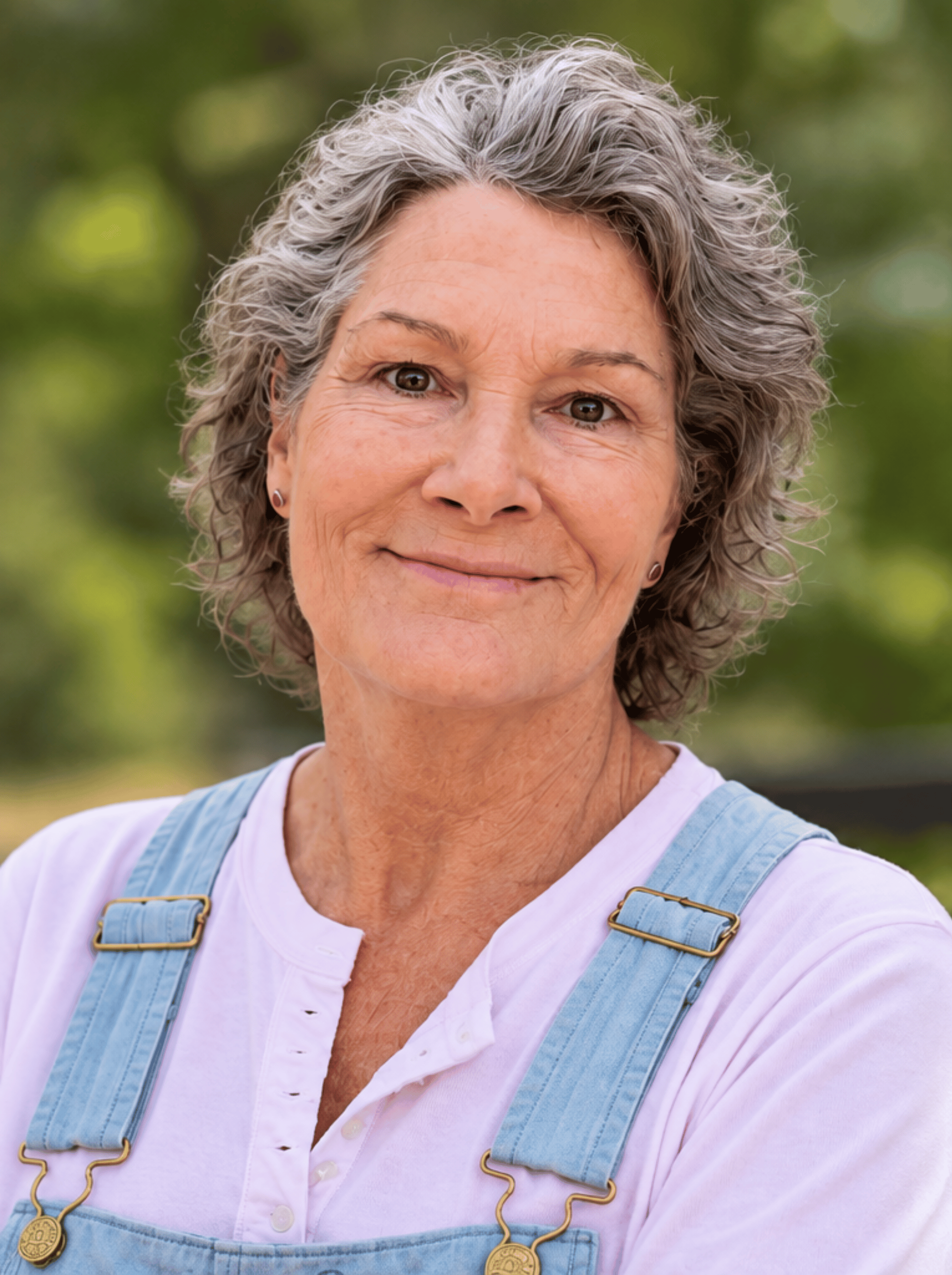
Ellen Beard is a lifelong equestrian, instructor, trainer, and mentor with decades of experience across the American Saddlebred industry. Her career has included teaching at Stevens College, working with major Saddlebred programs, serving on national committees, and developing educational tools and training methods for riders and professionals. She later founded Success in Saddles, a service-focused program designed to support trainers, instructors, and riders with an experienced outside perspective.
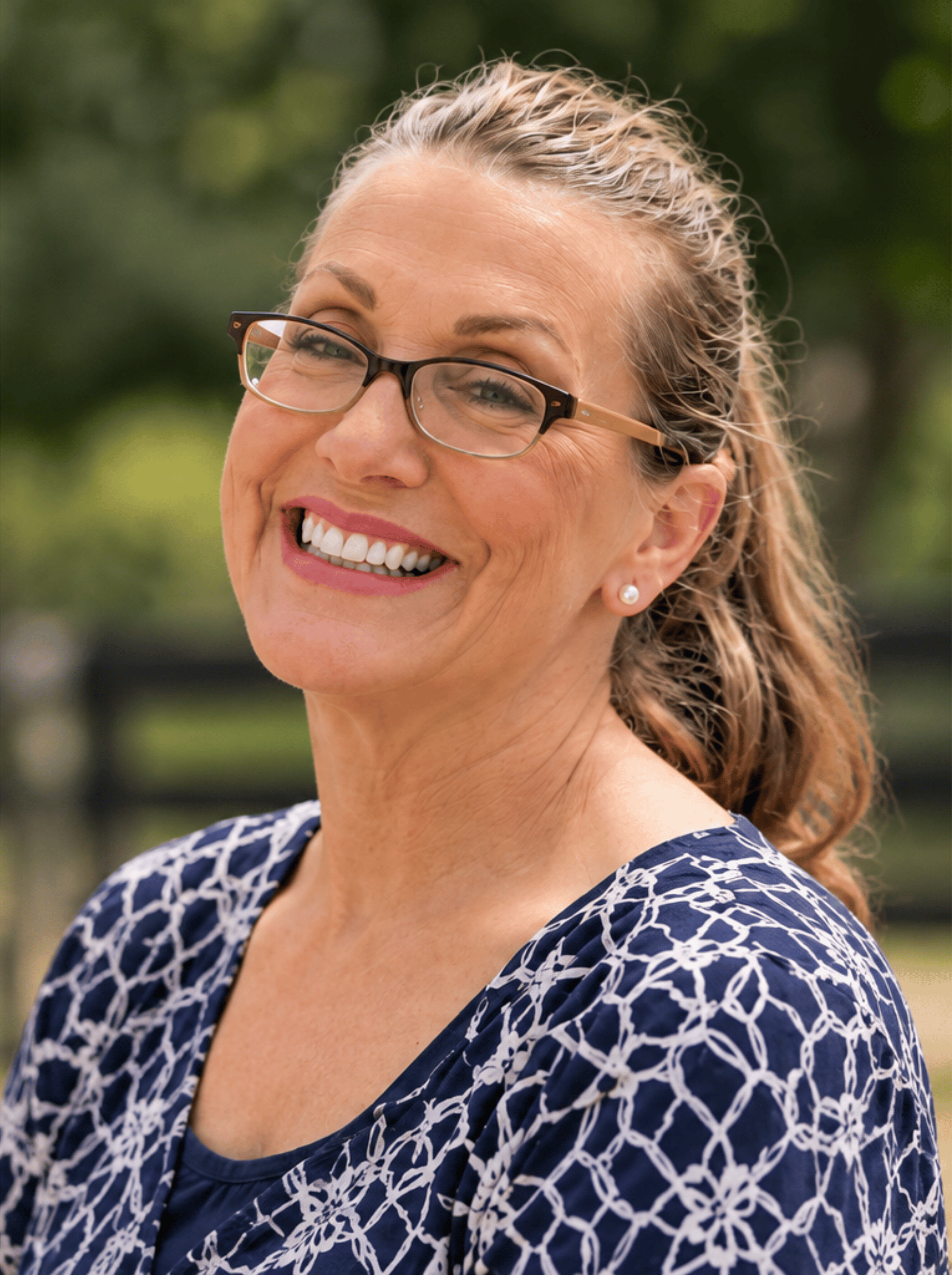
Martha Hoyt grew up in a working family horse business near Chicago, where she learned the industry hands-on through riding, teaching, showing, and daily barn life. Today, she continues to run a large lesson-based program that serves both show riders and pleasure riders, with a strong focus on grassroots horsemanship, rider development, and keeping people connected to the barn.