Lessons from a Lifetime in Saddlebreds with Dr. Amanda O’Keefe


In this episode of The Long Ride Home, Alex reconnects with fellow Saddlebred rider and amateur exhibitor Dr. Amanda O’Keefe for a thoughtful conversation about horses, confidence, trainer trust, and the lessons that come from a lifetime in the sport.
Alex and Amanda used to ride together at Cricket Hill, and their conversation brings a shared history to the surface, from the influence of their mothers to the memories, horses, and people that shaped their early years in the Saddlebred world.
They discuss how riding changes with age and experience, how confidence is built through preparation, and why trusting the right trainer can make all the difference in a rider’s journey. Amanda also shares stories from the show ring, including catch-riding at Louisville, learning from challenging horses, and the mental strategies she uses to stay focused under pressure.
Throughout the episode, Amanda offers a grounded look at what it means to keep growing as a rider. From choosing the right horse to navigating the ring with intention, she reflects on the lessons that come from years of showing, learning, and staying connected to the people and horses that make the Saddlebred world so meaningful.
Episode Chapters:
00:00 - Alex reconnects with Dr. Amanda O’Keefe
03:40 - Shared history, family ties, and memories from Cricket Hill
09:32 - Managing pressure and staying out of your own head
10:04 - Amanda’s unforgettable catch ride with Prima Ballerina at Louisville
13:17 - Setting goals you can actually control in the show ring
17:03 - Confidence, gratitude, and the horses that challenge you
21:02 - Warming up in the dark and learning to trust the ride
23:10 - Choosing the right horse and trusting your trainers
30:22 - How every season of riding asks something different of you
42:33 - The difference between learning to ride and learning to show
43:23 - How Amanda studies the ring before she shows
46:50 - “Check the back door” and other show ring strategy lessons
56:12 - Practice rides, routines, and preparing mentally before showing
Connect with Dr. Amanda:
Facebook: https://www.facebook.com/amanda.o.keefe.297241/
Follow us on Social Media:
Facebook: https://www.facebook.com/thesaddlebredpodcast/
Instagram: https://www.instagram.com/thesaddlebredpodcast/
YouTube: https://www.youtube.com/@thesaddlebredpodcast
#americansaddlebredpodcast #saddlebredindustry #equestrianlife
00:00 - Alex reconnects with Dr. Amanda O’Keefe
03:40 - Shared history, family ties, and memories from Cricket Hill
09:32 - Managing pressure and staying out of your own head
10:04 - Amanda’s unforgettable catch ride with Prima Ballerina at Louisville
13:17 - Setting goals you can actually control in the show ring
17:03 - Confidence, gratitude, and the horses that challenge you
21:02 - Warming up in the dark and learning to trust the ride
23:10 - Choosing the right horse and trusting your trainers
30:22 - How every season of riding asks something different of you
42:33 - The difference between learning to ride and learning to show
43:23 - How Amanda studies the ring before she shows
46:50 - “Check the back door” and other show ring strategy lessons
56:12 - Practice rides, routines, and preparing mentally before showing
Alex Husner: 00:03
Welcome to The Long Ride Home. I'm your host, Alex Huisner. This show is about honoring where we come from, pursuing what still calls us forward, and trusting the power of timing in both life and in sport. Through honest conversations with riders, trainers, and leaders in the American saddlebred world, we'll explore the stories behind the horses and the people shaping the future of this industry. Come on this journey with me. Welcome back to the long ride home. I'm your host, Alex Huisner, and today is a very special episode. They're all special, but this one I think is even more so because this is a person who I've known for many, many years. Amanda O'Keefe and I used to ride together at Cricket Hill, and I haven't seen her in years. And we just recently connected over the phone. And it was just like your voice is so ingrained in my mind that as soon as we got on the phone, I'm like, oh, that's Amanda. So really, really excited to have you on the show today, Amanda, and just talk about your journey in riding and just kind of what has gotten you to this point. But knowing that some people who listen to the show might not know who you are, could you just maybe give a little bit of a background and who Amanda is?
Dr. Amanda O’Keefe: 01:17
Sure. So the short version for the interest of the podcast is I started riding as soon as I was able to hold my own head up. My mother, Donna O'Keefe, had horses. My father was adamant that I wasn't gonna ride. And then got home one day, and my mother had me on the back of one of her horses in the yard, and I was giggling and squealing. And my dad was like, damn it.
Alex Husner: 01:41
Looks like we got a new hobby here.
Dr. Amanda O’Keefe: 01:44
So I was very lucky. I grew up with horses in the backyard, and all that goes with. And we live, I grew up in New Hampshire. So the chipping water buckets when they were frozen in the winter, like making hot brand mash and making sure the horses came first, was how I grew up. And I wouldn't trade that for the whole wide world. My mom showed Morgans, so a little bit of a journey with a pony and then an appy and then a Morgan. But I um was at a horse show and it was an all-breed horse show, and I saw a five-gated saddlebread. And I just was starstruck and obsessed in the absolute best way possible. And so my parents bought me my first American saddlebread, and his name was Peavines High and Mighty. And he was jet black and had four white socks, and we called them socks. And I was 10. And I really have never looked back. So here I am older, but I still love it and it's a passion. It's more than a hobby to me. It's a way of life, it's a blessing. And that's a little bit about the very condensed version of my journey to in horses.
Alex Husner: 02:54
Yeah, no, and I love uh a couple of things you mentioned there about New Hampshire and your mom and the hot brand mash. I know when my husband hears this app episode, he's gonna laugh because my mom always talked about a hot brand mash and how that's what she would make the horses when it was cold. And also, I didn't realize that your mom rode Morgans and that was her background because that was mine as well. But that's interesting.
Dr. Amanda O’Keefe: 03:15
Yeah, she loved it. And I mean, she showed a lot. She showed an Appaloosa very successfully, and then she had Morgan's. Shout out to Richard Boulay, he's still training. He had Morgan's for my mom early on in the 80s. But yeah, that's kind of how I got into it, was my mother's love for it.
Alex Husner: 03:31
Yeah, I love that. And actually, your mom, Donna, I worked for her at my trainer's closet. That was my very first job in high school. And
Alex Husner: 03:40
would go to her shop and would get faxes from people that were looking for consignment riding suits. And so they'd fax in their measurements and I'd go around to the suits and then I'd FedEx the suits out and back in and out. But that was such a that was like the perfect first job, I would have to say. And I always I loved your mom. I learned so much from her, and it was just such a cool experience. And actually, our moms, you know, we're great friends too over the years. So it's like there's so much, so much history that we've got over the years.
Dr. Amanda O’Keefe: 04:09
It's it's so cool to sort of come full circle now and such a blessing to have that friendship between our moms and between us. And it's very cool. It gives me all the tingles.
Alex Husner: 04:20
Yeah. I think a lot of people can relate to that. That it's like in a lot of cases, it was a mom that got somebody into riding, you know. And I think there's that maternal pull of, you know, having that connection to horses that, you know, it's hard to describe to people, but I think both of our moms would say the same thing that you said that you know, riding was never just a hobby. It was a way of life, and the love for the animals was everything. So I think they passed it along pretty well to us.
Dr. Amanda O’Keefe: 04:45
I feel like the two of them are up in heaven, like giggling.
Alex Husner: 04:48
Oh, drinking wine for sure. Yeah. Giggling.
Dr. Amanda O’Keefe: 04:51
Drinking wine and giggling and being like, look at our girls.
Alex Husner: 04:55
Look at them, yeah, all grown up. So just looking back, I want to kind of take this on a little bit of a journey. But when we rode at Cricket Hill, you know, I mean, those were for me just, I mean, incredible times that really shaped my entire life as a young adult and then as an adult now. And I learned so much from those years and not just from the trainers, but also from each other. You know, I mean, we had a great group of kids that we rode together, and it was just such a wonderful experience. But when you think back on those days, what do you see differently now as a rider than you did then?
Dr. Amanda O’Keefe: 05:26
Oh gosh, that's a great question. I think the journey's never over, I guess. Like I would get so excited, I think, in the Cricut Hill days of like, oh, I mastered the bridle. I got the bridle for the horse. But now I think I see it more as I always want to learn. It's my favorite thing about life is learning. And I really wanna like, I wanna know like what else can I put in my toolbox? Because when I get on a different horse, I want to be able to have kind of like the compendium of a list of okay, what do I need to pull from here? What do I need to pull from here? And oh, I tried this a couple of times and it's not really working. So how can I adjust it for the horse's needs? So I think that is now on almost like a spectrum where I have these different tools that I can pull from, but I'm constantly adding to my toolbox. We had a really cool camp, Kent Swala, Skippy, came to our camp a couple of weekends ago, and I got on a horse that I, a lesson horse that I just hadn't ridden since he came. And I said to one of the teenagers helping me get on, I was like, hey, all right, I was like, give me the lowdown. Like, what does the horse mean? Just like putting that together. And I think that's really the difference then to now. Because then I was like, you know, you're a kid, you get the right answer. And I love to get the right answer. But it's cool now to know there might be a right answer first way of the ring, and there might be a different answer, second way. When you go in the corner, it might be a third answer. So I love that and I kind of thrive on that because I really believe everyone has something to teach you. And especially. So I guess that would be my answer, just putting more in my toolbox and knowing that the toolbox is ever growing.
Alex Husner: 07:04
I agree with that completely, to be honest, because it's like for me coming back now, I think the way that I am thinking about everything, it's just so different than it was as a kid. Like, I wish I could take myself back and put myself in those shoes. And I remember it pretty well, but I just I don't think that we thought about things the way that we do now. And I'm very much like you that it's like, I want to know everything. Like, I want to know why my body's doing something. I want to figure out why the horse is doing something, that it's probably because of me. Like, I want to know the root of all of it. And and I almost, you know, it's like for better or worse, I think it's tough because you can overthink things. And like that's something that definitely develops with age more so than when we were children. But at the same time, it is powerful. And like I've made a lot of progress in, you know, just four months back. I think because I'm thinking about it in a different way. You know, it's like I can watch a video of me years ago and process things in a different way, or watch a video of me now and process it differently and like really, you know, try to get to the root of what the issue is. And it's it's a powerful thing, but I think it's just like it's a balance that you could drive yourself crazy. But how do you deal with that? I guess that'd be my question of like, how do you not get so inside of your head and your thoughts that you drive yourself crazy?
Dr. Amanda O’Keefe: 08:17
That's a fantastic question, too. I think a lot of things, because I think a lot of pieces go into that, right? There's the piece of when you're practicing at home, you really want to do a good job because you know your trainers worked their tushes off all week with this horse, and you know the horse their butt off too, and you don't want to come in, you know, on a Saturday and screw it all up. So I think there's that piece, but I think the most important thing is understanding that we put the pressure on ourselves. I've never felt pressure from any trainer ever to deliver, to do, you know, like I have felt pressure on myself that I put there to do a good job. And I've been blessed to catch ride horses, and I was really blessed to catch ride horse at Louisville, and that was the coolest experience, but also a little daunting because I'd never ridden her. They asked me to fly in. I flew in on Thursday, I rode the mare on Friday. We showed on Sunday morning. Wow. Yeah, it was crazy, and it was show pleasure. So there were 85 million horses in the class. Maria Gilman was so kind. She asked me to show this horse for her people who wanted to get her sold. Her name was um Prima Ballerina, and she's such a beautiful mare. And she was with Gerhardt Ruse. And I showed up, I'm in the warmup ring. Maria was there, Gerhardt was there, Krista and David, of course, were there. Krista and David are my trainers.
Speaker 3: 09:32
Yeah.
Dr. Amanda O’Keefe: 09:33
I said to Gerhardt, okay, so he warmed her up in the chute. So I get on and I'm like, okay. And I said, and Kristen's standing at the mare's shoulder, and we're just kind of waiting to go in the gate. And I, and just as a practice ride, right? The show hadn't started. And I looked over at Gerhardt and I said, okay, like what do I need to know? Because every horse changes a little bit. Well, most of them do. I shouldn't say all. I've had horses that don't, but most horses will change just a little bit from the warm-up ring to the show ring. So I was like, all right, Gerhard, I said, what do I need to know? Like when I go through the gate. And he goes, I don't know, I've never taken her in there. Oh my god.
Dr. Amanda O’Keefe: 10:04
I was like, oh my god. So I'm like, okay. And Kristen goes, okay. Up to me.
Dr. Amanda O’Keefe: 10:09
She's like, and I was like, we won our slit on Sunday morning. And one? Oh my god.
Alex Husner: 10:20
Wow. That is incredible.
Dr. Amanda O’Keefe: 10:24
It's amazing. And then we showed back in the championship on Friday morning and we were uh reserve world champion of champions. So we won our won our qualifier. We're championship and it was it was crazy. But in that moment, I couldn't get in my head because if I were in my head, I was not gonna do a good job for these people. I was not gonna honor the huge compliment and belief in me that Maria and Gerhardt both showed towards and I wanted to do a good job for the owner who wanted to get their horse sold. And so I just focused on that and I was like, okay, Gerhardt, what can I do? Kristen, what else did you see? Maria, give me the look. Because Maria trained the mayor and she was with Gerhardt to be sold. And I said, All right, what do I do? Like, give me everything. And I had the best crew. I had people all around the ring. And at my age, I've gotta like, if you're talking to me and I don't know you're gonna talk to me, I don't listen to you. Yeah, for the people I know. So I was like, Maria, where are you standing? Gerhart, where are you standing? Kristen, where are you standing? Tippy, where are you? David, where are you? And and I can't hear David cater over the roar of the crowd at Lobile. So I have learned over the years to just read his lips. So I'm like, Oh my gosh, so it's all of those pieces because if I had gotten in my head, I wasn't gonna do a good job. And I think it's sometimes almost not easier, but easier in a way when you know you have to deliver for somebody else. It's a lot harder for me to get on my own horse and not get in my head, right? Because it's personal. He's mine. I want to honor Kristen and David so badly. But also I try to give myself like three goals. What are my three goals that are completely within my control for this ride? And they're things that I can do. They're not like, okay, reverse across the middle, because that might not be right.
Alex Husner: 12:03
Yeah, exactly. Yeah.
Dr. Amanda O’Keefe: 12:05
It might be a disastrous idea. So I do things that I can control, right? Like my uh country fleasure horse. Now I love him. His name is King Kate. He's got to be straight. He'll do anything if he's straight. If you get him a little crooked, he just wants to be a horse and play a little. And he's not naughty. He's such a good boy. But he'll just get a little crooked. And then he's kind of like, Yeah, what can I do next? Not he might not. Like he just he just might not walk.
Speaker 3: 12:29
Yeah.
Dr. Amanda O’Keefe: 12:29
Like he's such a good boy. But I know I have to keep him straight. So that's always one of my goals when I go through the gate, keep him straight. So I think it's that. I think it's understanding that line between when you're getting in your head and when you're not. And I think it's making sure that you have concrete things on which to focus. I knew showing Prima in that class, I knew her lead second way was a little sticky. And you had to like hold your leg like for support in her belly and just keep her like distracted toward you and not let her get distracted on anything else. And I think it was actually on the live feed because they called for the walk, and I think the camera was on me. And I was right next to Maria, and I was like, yes, because she didn't boss.
Dr. Amanda O’Keefe: 13:12
And Maria was like, Yes.
Speaker 3: 13:14
And it's all over the life. People were like, why are we so excited?
Alex Husner: 13:17
Why
Alex Husner: 13:17
is she so excited? Yeah, nothing happened yet. Like, exactly, nothing happened. That was the plan. Oh my gosh. Well, I mean, Maria must have been, and everybody just over the moon that, you know, they reached out to you to catch ride the horse. It obviously went marvelously, but that doesn't always happen, you know. But I mean, that's just a testament to, you know, the respect and the experience that you have as a rider that, you know, they would say, fly down and we're gonna put you in the biggest competition of the year. And we're trying to sell the horse, so no pressure, but that's a lot. But I understand what you're saying of like, you know, it's like one of my favorite sayings is commit first, figure it out later. And when you do that, you have to figure it out. And another one is pressure is a privilege, you know. I mean, like you were privileged to have that opportunity, but like you have worked for that, you know. I mean, like that's everything that you've put in. And sometimes in those situations, it's like your mind just goes into, I have a job to do and I'm gonna do it, you know, and I'm gonna figure out the best way that I can possibly execute on it.
Dr. Amanda O’Keefe: 14:14
Thank you. And that's what you have to focus on.
Alex Husner: 14:16
Yeah.
Dr. Amanda O’Keefe: 14:16
Because I used to teach with somebody at the high school level when, you know, my our students would start to complain, and she would say, Honey, how lucky you are. And she's like in her 70s, so she could completely get away with it. But I just thought God, that's so cool. Like how lucky you are that you have this situation that is challenging you and that you figure out.
Alex Husner: 14:37
No, absolutely. So that's the mindset to have for sure. I mean, gratitude is everything, and especially in this sport, because it's not something that everybody gets to do, and it's we're very lucky to be able to get to do it. And I certainly feel that way coming back to it. Well, I wanted to go a little bit deeper on the confidence side of things because I think that's something that I can relate to, and I think a lot of people can relate to, to be honest. Have you ever had a horse that really did challenge your confidence?
Dr. Amanda O’Keefe: 15:01
For sure. Um, I feel like everybody has a list of horses who challenge their confidence. I think the horses that challenge you are the horses that make you better. Yeah. I think, you know, it's it's a matter of figuring it out and being confident in it. And sometimes, like, I had an amazing gated horse at one point, and he was grand. And he didn't test my confidence in a way that he made me nervous, but I've had those horses too, where they just I get on and I'm like, okay, what's gonna happen? I just I couldn't get with him and he couldn't get with me. And it was challenging to my confidence because I just couldn't figure out how to ride him well. And Kristen finally pulled me aside and she's like, Amanda, there are amazing dancers in the world. And sometimes two dancers just don't dance well together. That was the case with him, and it really helped my confidence in a way. Because I mean, my confidence was really low at that point because I'm like, I and I was an adult, you know, I'd I'd been writing for a lot of years, and I just was like, Why can't I do it? You know, why can't I with him? Why can't I learn this? Why can't I? And Kristen finally said, I don't think it's a matter of learning. I think it's just we didn't dance well together.
Alex Husner: 16:09
Yeah, it's not a good match, it's not a good fit. Yeah.
Dr. Amanda O’Keefe: 16:12
And that was really hard because I loved him, but I think that happens. I mean, sometimes, you know, you do this for a long enough time and you'll find a horse that isn't necessarily the right one for you, but might be a great one for somebody else. So there's that piece of the confidence, but there's also, you know, the older you get, the self-preservation piece. Yeah. Where like, okay, this is, you know, this sport is a serious sport, and you're dealing with another creature who has their own thoughts and their own ideas. And certainly I've had horses who could really challenge that side of the confidence. So I think you just have to go into it and say, okay, what can I control? Like, what's within my control? Yeah. And it's, and always it's this is gonna make me better. This is gonna make me a better rider. This is gonna make me a better human. This is gonna make me a better athlete, taking those things in. And then of course, that's easier said than done.
Dr. Amanda O’Keefe: 17:04
I think you do it and then you have a good experience, and then you have another good experience, and then you have another good experience, and you tie all of those things together and you start to see the trajectory of I did really well right here. I remember I had a mayor who was really tough. She was mine, not somebody else's. She was mine. We were at Shenandoah one year. So I usually show and show pleasure, and I've been very blessed. That division has been incredibly kind to me, and I've been blessed to have a lot of success. And of course, because it's usually the biggest class at the horse show, they put it like a second to last class on Saturday night so people stay. And it's usually right before like the open gated championship or something. So now that I'm older, I'm like, my bedtime was two hours ago, guys.
Alex Husner: 17:43
Like I have to switch divisions because I'm at my bedtime.
Dr. Amanda O’Keefe: 17:48
But we warmed up on this mayor that was tough in the pitch black in Shenandoah. And David was like, Let's go, we're gonna warm up in the dark ring. And I was like, I can't see. What do you need to see? He's like, the mayor can see. You're fine. And it ended up being the best warm-up we ever had. And we went in and won the championship. And I was petrified. And I probably could have said to which I mean, I never say no to David Cater ever when he's like, This is more off the horse.
Dr. Amanda O’Keefe: 18:15
And I'm like, hey! Okay, here we go.
Dr. Amanda O’Keefe: 18:19
I was like, Am I capable of this? And Kristen was like, Yes, just get on and don't think about it. And I think for me, that's always, you know, if I get my mind in it, I'm in trouble. If I just let my body take over, it's much easier. But yeah, trotting, I'll never forget it. I vividly remember trotting down the straightaway, and I could not see.
Alex Husner: 18:35
Oh my gosh. Wow.
Dr. Amanda O’Keefe: 18:37
So cool.
Alex Husner: 18:38
Yeah, I mean, it sounds kind of cool in a way. Wow. And then I mean the stark contrast there of like you're in the dark, and then as soon as you get into that arena and it's like super bright lights, so your eyes probably had to take a second to dilate.
Dr. Amanda O’Keefe: 18:53
We went from the dark to the light, and so we were in the light because there's two warm-up rings side by side, and that's one is covered and one is just kind of open, and the open one is the lights weren't on, they didn't bring in lights, whatever, but we were in the dark, and then we went into the other. So my eyes did adjust. If I can do that, I can do this.
Alex Husner: 19:09
Yeah, exactly. Wow, that's interesting. I've never heard of that as a way to warm up or a tactic, but I'm sure there's probably some thought process behind it.
Dr. Amanda O’Keefe: 19:17
I do what I'm told.
Alex Husner: 19:19
Yeah, yeah, exactly. I mean, you've owned a lot of incredible horses over the years. When you're looking at a new horse, what are you looking for? Like, how do you know it's the right one?
Dr. Amanda O’Keefe: 19:28
That's such a good question. I trust my trainers first and foremost. When we bought Rev, who his name is Spread the Word, and he and I were so I almost can't even talk about without crying, and I refuse to cry on your podcast. So I love her so much. And he made every single dream I've ever had come true. We were undefeated for two consecutive seasons. It was amazing. And when I tried him at Louisville, he had just won the show Pleasure Driving qualifier, and he was second in the championship. And Kristen and David were like, I think, you know, we'll try him for you. And I was like, okay. And he was in my budget. David wrote him, I wrote him. We went back to the barn, and Kristen, you know, you do your little pow wow. And I was like, okay, I thought he, you know, felt good. I don't know. David and Kristen were like, it was awesome. And I'm like, oh, okay, good. Yeah, like, all right, sure. Well, do you think I should buy him? Like, like the most innocent question in the world, right? And they, God bless the two of them. They looked at each other, they looked at me, and in unison, they went like this. Yes.
Alex Husner: 20:34
Yes.
Dr. Amanda O’Keefe: 20:35
Yeah, right now. He came home with us from the horse show and he was amazing. So I think the first thing you have to do is trust your trainer. I do have two pseudo-rules. One is that they're wearing a curb bit, but I can adjust that. And the other one is preferably that they've shown before, or at the very least, have gotten close to being ready to show. Now, those are my 47-year-old rules, right? Yeah. Those are my 40-year-old rules.
Dr. Amanda O’Keefe: 21:02
I think it changes over time. I have definitely had horses where I've bought them in their three-year-old year and kind of like you and Chapstick. Yeah. Time and they need seasoning and they need a David Cater season to show them and get them prepared for me. But the last couple of times that I've gone to look at horses, I really loved to show and I want to show. And so my rules, I guess, are pretty much buy what Kristen and David tell me to buy. Yeah. And then I just want to be able to get in the show ring and show it because I love to show. And that's not to say, you know, in a couple of years, maybe I would start again with something young and be part of that journey because that's also special. But I did have a few seasons where whether I was waiting for a horse or I had sold a horse and I was without a horse. And the sidelines for me kind of not as rewarding as me getting to be able to show. I just love showing. But that's me right now in this moment. That might not be me in a year, that might not be me in two years when I say, All right, David, let's do it. Let's pick up because that journey is so cool and so fun. But for the uh last two horses I've had, I really just wanted to show. And the horse I had before Kinkake, his name was Arrowhead's Prince Charming, and we called him Bruno, and I loved him so much. And he passed away very suddenly. So we only had like two horse shows together. And that was after I hadn't shown for well a year or two. And wow. That was really devastating. Oh my god, I loved that horse. He was just obsessed by so then when we went to look for my next horse, I needed time for my heart to heal. Yeah, absolutely. But in the meantime, that's when Maria asked me to show Prima for her. So that was awesome. But yeah, so then when we went to look at another one, I was like, I never got my show seasoned.
Alex Husner: 22:47
And I yeah, yeah. Well, that that is cool though, that that happened with Prima in that time period. You know, I mean that was like the sign to you of like, you've been through a lot, but keep going. You know, you're gonna find the next one. And but it is, it's so hard. I mean, like this, that's the very difficult part of the sport. It can be devastating in in a lot of ways and things that could go wrong. But I feel like your journey as a rider, it definitely changes
Alex Husner: 23:10
over time in what you're looking for. And I'm trying to figure out in my mind of like, why is it that like I was so attracted to getting a young horse? And it was for sure the right decision for me. But like, I don't know how I had that courage to say, like, why am I gonna I'm gonna try all the most difficult things possible as I get back into this. But like you, we just got back from JD Massey and we took Chapstick there last week, and that was his first time going to a show, and my first time back at a show in 26 years, and my husband's first time at a horse show. So, like, there's so much excitement around it. But I do understand the feeling of we watched Andrea work him each day, and I'm like, man, I just like I'm I'm ready to go into the ring, you know. And I know we're not ready, but like I'm I'm so excited for that moment. But I don't know, something about doing it this way. I love seeing progress. I guess that's the one thing I've realized coming back to riding. It's like, I don't think I realized how much that was important to me. But like when I look back in my career, I'm like, yeah, I've always tracked things and like I've always been very motivated when I see and I can like compare, you know, things or like how something's doing and then where it improves. And that's for sure what I've done so far back now. Is like, you know, I take tons and tons of videos of him and of me, and it's like just seeing that progress is like it's very motivating, I guess. And I think another thing coming back into it too was I don't think that I didn't really want a horse that was already known. Like I wanted it to be an unknown horse, whether it was, you know, young or or someone that, you know, just hadn't really shown a whole lot, because I wanted to kind of shape the identity of the horse with me in this process, you know. And and when I think back to the horses I had even at Cricket Hill, both of them were actually in that situation too. They were finished, so they were further along than chapstick, but neither of them, you know, had really been shown or had a record. And, you know, there wasn't really anything tied to it. But me feeling the way that I feel now in two or three years, that could change. And I could decide, you know what? I just want to get a finished three-gated horse and I want to be able to ride and not be growing and learning all the time. But that's the beauty in it, really, is just knowing that it's gonna change or that it could change.
Dr. Amanda O’Keefe: 25:06
I love that. I think it's in life and in sport, there are seasons that you this is right for me right now, you know, sitting here on April, whatever it is, and yeah, like this is the right choice for me in this moment. But I I also think you're so smart to do it that way because you want the journey and you want to get back into it and learn everything you can and take the time to do that. I think that's so smart because I think sometimes people get back into it and they want, like you say, the known horse, the named horse, and you put a lot of pressure on yourself in that situation without giving yourself a chance to learn. And usually for me, we're buying like four-year-olds, right? Like, well, I'm not buying the named horse either. I'm just buying one that's shown that maybe I could step on.
Alex Husner: 25:54
Yeah. Yeah, exactly. Yeah, and I think that's that's a great way to do it too, for sure. Yeah.
Dr. Amanda O’Keefe: 25:58
And that's why I love the sport so much because whatever way you want to do it, and it's almost like prismatic, right? Like where there's prism, and it's just like whatever path you take could be different. And I love that so much because that really allows us as exhibitors and as amateurs and as lovers of the horse to go through whatever kind of journey or iteration that we feel is right for us in the moment. And when we bought King Cake, he had shown I think three times and was a four-year-old and was still kind of gangly. He's huge. And he was like, Where are we?
Dr. Amanda O’Keefe: 26:35
And I still don't know.
Dr. Amanda O’Keefe: 26:37
In a self-pective, I was like, Yeah, like this is the right one for me because I could see with the winter of work that he would be fine. And actually, actually, it's funny when we went to our first horse show. David was like, Okay, so you're gonna show him I was like, No, you're gonna show him the qualifier, I'm gonna show him the championship. We're just gonna be David goes, Amanda, you can get on this horse and show him tomorrow. I was like, Yep, I'll show him the championship right after you do. I mean, that's such a like a really nice compliment to me that he was like, You can get on and show him, but it's that confidence piece, right? I'm like, let's dot the i's and cross the t's and make sure we're gonna and he was perfect. Like king cake was wonderful. David comes out of the ring and he's like, Told you so.
Dr. Amanda O’Keefe: 27:19
And I was like, Thank you.
Alex Husner: 27:23
But and I think you know, kind of the bigger picture here of you've talked about it in making the decision on how you buy a horse, but then also just in listening to your trainer of like David knew you could ride that horse. Maybe you didn't know it in your mind. But you know, the important part is listening to your trainer, right? And knowing that you've got the right trainer and that you know they have the experience that they can see things that you can't necessarily see. And I think back to when we first tried Chapstick, I think that situation reminded me of when you were talking about when you tried Rev. Like, I was like, Yeah, I mean, like it was good. And Andrea's like, okay, well, what do you think? And I'm like, I mean, I don't know what do you think? She was like, buy him. Like, we need to buy him. And I'm like, okay, it's a crazy decision to be in. And it's like, I'm so excited, but I'm like, I think it's good, but I'm not sure. You know, that's the importance of having a good trainer for sure.
Dr. Amanda O’Keefe: 28:09
Absolutely. And you have to trust your trainer and you have to do what they tell you to do. Like, you know, I think so often that you try to get in your own head, and it's such a thing for me to kind of say to Kristen David, like, whatever you want. Like, so yeah, exactly.
Alex Husner: 28:24
I've already I've already given over control if you make the decision.
Dr. Amanda O’Keefe: 28:27
Kristen is so good. I mean, she's one of my closest friends, and we've been besties for a really long time. We were, you know, in each other's weddings and all of that. And we just know each other so well. We almost don't need to communicate, which is and I shouldn't say it like that. I should say we communicate in looks. So, like I thought one rare moment, she was so cool. We were really, really successful together. And I remember when we tried her. Well, first of all, it was the middle of the night when we tried her.
Alex Husner: 28:55
And in the dark for you.
Dr. Amanda O’Keefe: 29:00
I mean, that's that's a story for another podcast, but it was great morning. So she comes down the shoe. And actually, I had gone back to the barn and I said to Kristen, Did you just see Matt Shufflet Hatter and won the three-year-old class at Louisville with her? When I'm at Louisville, you know, I just sold Rev. I'm watching the class, and I go, I walk back to the barn and I'm like, Kristen, did you just see that park pleasure class? And she's like, No. And she was talking to another trainer and she goes, Are we talking about maths? She's gorgeous. I was like, Yeah, I was talking about maths. Kristen hadn't seen her, and I was like, I'd like to try her. It was the first time ever that I was like, I'm like, I think we should try her. And Kristen was like, okay, let me go back and watch the video. And she's like, Yep, we're gonna try her.
Alex Husner: 29:37
Yeah, a good pick.
Dr. Amanda O’Keefe: 29:40
She was so she here she caught. We're at the head of the shoot at Louisville. She's trotting down. Kristen looked at me, I looked at Kristen, and she goes, like this. And I'm like, And she goes, we let David ride her. I didn't ride her. She was three and sort of really green still. I'm like, I don't need to get on right now. And um, and we bought her and we were really successful. We went at Louisville with her. We were second in the championship, we were second in Kansas City. Like, she's just we won that class in the dark. But and I think it's about communication, right? Like Kristen and I've known each other. I'm not even gonna say the amount of time, but for so long that she knows what I want. But there are still days like when I'll say to her, you know, I'm
Dr. Amanda O’Keefe: 30:22
ready for the next project, or you know, I feel like we've done amazing with this horse. I feel like I'm at the point where I want a new challenge. And she she'll say to me, you know, nine times out of ten. Yeah, I kind of figured that last week when I was I know it. So it's not even really where you have to communicate. But I think for you, coming back into this and listening to your podcast with Andrea twice was fun. I think that you are so wise to communicate your needs independently of what you think your trainer should do. To me, those are two different things. And I think amateurs coming back into this get a little confused by that line. Yeah, you need to say, This is what I feel comfortable with. These are my goals, this is what I would really like to accomplish. But I like to have a conversation about what you think for me and what we think is right together because you're a teen. And that is so important to me that I know Kristen, David, the horse, and I are a teen. And yes, Luis, who's like the love of my life.
Alex Husner: 31:29
Yeah. Oh, wow. Oh my gosh, that's crazy. Wow.
Dr. Amanda O’Keefe: 31:32
He won um caretaker of the year last year.
Alex Husner: 31:34
Oh, how cool.
Dr. Amanda O’Keefe: 31:36
Oh my God. I was like, I was so happy for him. He has a gift and a talent for these horses. He can like touch one when he's putting them away, like touch their chest and be like, you can have grain in 47 minutes.
Alex Husner: 31:49
Wow. Oh my gosh.
Dr. Amanda O’Keefe: 31:52
Like crazy talented, but like that to me is my team, right? Yeah. Of course, Louise. Like, we're the team. And then, like, sometimes I need Avengers Assemble. Like, I was telling you about Prima, and I was like, We've beyond the real for me, we've but I was thoughtful of who I asked. So, you know, that kind of stuff. And I said to Kristen, like, tell me all the trainers who are gonna be there so I can listen to their voice. Back to what you had said, I really think it's what the team comes up with, and you have to be transparent as the amateur about what you want. Like, I remember you saying that there was a horse that you could have bought at Andrea's before you bought chapstick, and you were like, I think I'm gonna be like this will be fun for six months because I'm a whole horse, and then I'm gonna be like, okay, yeah. So I think that's so important, right? Know thyself.
Alex Husner: 32:40
Yeah, exactly. And it's like you have to trust the process, you have to trust the trainers. You all you all have to be on the same page. And I think, you know, in this journey now with Chapstick, you know, we were heavily, heavily relying on Andrea because I've never been in this process with the young horse. So it's like, you know, she's the expert here and she's doing an incredible job with him. I mean, he's made just watched last night the very first video from when we bought him from Northern Kiss until the video last week at JD Massey. And it's like, it's massive progress. And it's so exciting to see of like, okay, that's just in basically three months. Like, where's another three months? Where's a year for him? Like, it's so fun, but it takes patience too. Of like, I'd like to show soon, but I'm not rushing it. I'm not don't want to rush him, and I don't want to rush her because I think that is part of that understanding of like you want to do it the right way. And it's what's best for the horse is the most important part of the decision. And if that means like at JD Massey, I didn't even practice right on him. I just watched her ride him and long line him, and that was fine. Like I that was perfectly fine. Like we wanted to make sure he had a great first experience off the farm, and he did, and it's like just so proud of him as I'm videotaping him like crazy soccer mom. Picking the right trainer is definitely very important. And you know, sometimes things change over the years, and you change trainers too. You know, I mean, like there's a lot of your journey changes throughout this whole process of what you're looking for and finding somebody that's on the same page as you, and you can have that unspoken word like you have with Kristen and David, is really special.
Dr. Amanda O’Keefe: 34:02
Oh my gosh. It is one of the great blessings of my life that I get to be their friend and I get to be their client. Like it's just it's so cool. And I mean, we've all known each other since we were 10, and it's so special.
Alex Husner: 34:17
Yeah, I don't even think I could put words to it. I want to ask a couple like more tactical things because I I think the audience would be interested to hear from you because you've been so successful in your career. But when we talked a couple of weeks ago, you were telling me a little bit about like your ring strategy. And you know, I think there's a difference between learning to ride and learning to show. And we practiced, I know, back in the day at Cricket Hill, our group lessons and our the camps that we did. And, you know, there's so much that we practiced back then. But it's also really easy to even if you have it in your mind that when you hit the show ring, like you forget what you were supposed to do and you just want to get through the ride. Maybe just like share a little bit about your approach to navigating a ring and like how that changes at different horse shows and in different environments.
Dr. Amanda O’Keefe: 34:58
Wow, that's a great question. And super smart that you ask it that way because working a ring is one category, but then working a ring at different horse shows is a total separate category because there are horse shows where, like Louisville, where the pace of the class is a lot faster than it is at other horse shows. And I still do this. One of the things I love to do is I go to horse shows and I tend to not sit in the stands to socialize. Sometimes I do, but most of the time I don't. Most of the time I go sort of sit by myself at the end of the ring. And my barn family knows this. Like I'm studying. I just I really can't like talk and watch at the same time. And I watch amateurs I admire. I watch trainers, I watch people work rings, I watch what works, I watch what doesn't work. And then I really think about okay, when did that decision like I'd watch an amateur make a decision on one rail and then look over? And that was a really good decision because they were thinking about something that was happening behind them. So I think that's the first thing I do is I watch people I admire and I watch paces of classes and I watch how the judges are calling the class. So I think that's really important, especially for when you're showing in a pleasure class and when you're showing a young horse, or really when you're showing any horse, if you know you're gonna walk a long time, where are you gonna put that horse in the ring? I don't care if it has to flat walk or not, but like the walk is a gate. So like, where are you gonna do it? And if you know that the judge that's calling the class, whether it's three judge panel and they rotate and you can start to figure out which judge calls it faster than another judge, it's not to like outsmart the judges. It's not what I'm talking about. It's understanding how fast the class is called so that you can set up your horse for the most amount of success. Yeah. So if I know that my horse will walk all day long, but the longer they walk, the less likely they are to step off into their lead. If they get a little lazy about it, let's say between the trout and the canner, I need to know that as an exhibitor.
Alex Husner: 36:55
And keep going down the rail a little bit longer, right?
Dr. Amanda O’Keefe: 36:57
Maybe I'd finit, well, not egregiously, but maybe I'd like to put right and maybe I'd be thoughtful about oh, I just took a really long transition. I took five strides instead of two, right? So that for the horse, because the horse, like you just said, 100% of the time, always, always, always comes first. So that's one piece of what I do. The other piece of what I do is I am constantly looking around the ring. Not like my head's on, you know, spinning like a top, but because that would mess you up too. But really thinking about okay, taking inventory, where did I leave this ring? Like where I knew where everybody was. Now where are they? I think going into a corner. I learned this from Lillian Shively when she came up to do a camp at Cater Stables, gosh, like 10 years ago, maybe. She would say check the back door. And so, like, and I'd never heard it said that way. What is it? Check the back door. So trotting into the corner before you start to turn the turn, check the back door and see who's right here, if there's anybody. Oh, okay.
Alex Husner: 38:00
Yeah, I like that.
Dr. Amanda O’Keefe: 38:02
Into a corner. And if you leave like two feet off the rail, somebody's gonna come between you and the rail. It should not ever happen. We all should be smart enough that from a safety perspective, that's super dangerous. Nine times out of ten, if you leave that space, somebody's gonna come right through it. So if I know I need to cut the turn, I need to know who's at my back door because if I go to turn and decide it's not the right decision, I just try to slide back to the rail. Well, now there's somebody here. My horse is in no man's land and I'm in trouble. So she said, check the back door. So that's one of the things I always try to do is like check the back door. Then as I'm coming into the turn, I look for the whole ring to see what's happening, where everybody is, where the packs are. And then I make my decision from there. And I think one of the things that will get me in trouble still is I'll think about it for an extra second too long.
Speaker 6: 38:45
Yeah.
Dr. Amanda O’Keefe: 38:45
And make it see it and make it. And I'm not talking about like whipping my horse around, right? I'm talking about Amanda, this is your decision. Yeah. And if this is not the right decision, then make a different decision. And I think that in the moment, it's understanding that you've got to check things around you and you have to know where the rest of the class is as best you can. Now, I definitely had situations where a horse cut across the ring and ended up right next to me. And I was like, oh my God. And I said to Kristen after that class, I was like, How could I prevented that? And she was like, maybe just checking one more time when you came out of the corner. She's like, What am I? The horse flew across the middle of the ring and like landed on you. Like, how are you?
Speaker 6: 39:22
Yeah. Yeah.
Dr. Amanda O’Keefe: 39:23
And like I had a situation actually in Tampa, and Kink was so wonderful.
unknown: 39:27
Oh my God.
Dr. Amanda O’Keefe: 39:29
Now he's a big horse, but he doesn't cover a ton of ground because he's like kind of right up underneath himself here. He has the most beautiful canner. And so I'm coming through the corner and I look down the straightaway, everything's fine. And I continuing to come through the corner, and a horse came this way across the middle, cantering, and came in front of us. And I was like, okay, I'm probably gonna have to pass them. So I'm starting to like come out to pass. Well, that horse got crooked, somehow changed leaves, ended up stopping like five feet off the rail, which messed up the horse on the rail. Now I have two horses in front of me at a dead stop.
Alex Husner: 40:02
Oh no. Oh my gosh.
Dr. Amanda O’Keefe: 40:04
It's a really huge center ring display.
Alex Husner: 40:09
Yeah, yeah.
Dr. Amanda O’Keefe: 40:10
And where like Tammy Canasser was judging and Jerome Parker was ringmastering, and they were standing right there. So it's like two horses stopped. Tammy and Jerome. Huge thing.
Alex Husner: 40:20
I'm like, oh my gosh. Yeah. And in that situation, it's like there's things you can't prevent, but it's really how you deal with it. You know, and I think judges really do appreciate that when something could go wrong that your horse got mixed up or bobbled, but how you handled it is really the most important part.
Dr. Amanda O’Keefe: 40:36
Well, I just continue to come off the rail and I turned kincake all the way across the middle, and I went in between their like display for like the blue ribbon winners and the huge judges box. I just went straight in between and then I just kept turning, and then there was a horse here that stopped, so I just kept turning and he kept his lead. What a good boy!
Dr. Amanda O’Keefe: 40:59
That was my goal for the class, and I kept him straight. And I get back to him, Christian goes, impressive.
Alex Husner: 41:06
See, I'm glad I asked this question then, because I mean that takes like a lot of maneuvering and also experience to be able to do something like that.
Dr. Amanda O’Keefe: 41:14
But I was like, well, come on, King Caker, and see if this works.
Alex Husner: 41:18
Yeah, yeah. And I love what you mentioned about taking a second too long to make the decision and just teaching yourself if I think I'm gonna do something, I need I need to do it. I mean, if it goes good or bad, you know what I mean? Like make the decision because if you wait, that can get you in more trouble, you know, in anything in life, really. But it's like if you have it, just go for it.
Dr. Amanda O’Keefe: 41:37
Especially if you know it's the right decision. If you're gathering information of where everybody is in the ring and you're not quite sure of the right decision, then don't make the rash decision either, because you won't set yourself up for success. And the only reason why I could make that decision as quickly as I could was because I had kin cake straight and I had it both, you know, both my legs gently off both sides of the bridle, and he was just pantering in a little teacup. And if I had him crooked, I wouldn't have been able to maneuver that way without losing my lead because I just don't know many more to do it. Like that's in the way I had to make that decision. I think it's just knowing you have to be prepared, but you can't predict.
Alex Husner: 42:18
Yeah, exactly. Well, and like you said, the three things that you want to accomplish in a class, they might sound like small things, but that's what leads to the prevention of a bad situation, like you just described. So it's like when you break things down that way, instead of just saying, you know, I
Alex Husner: 42:33
want to make sure we canter perfectly the entire time, you know, or something like that. Yes, that's what you want. But like the smaller goal of I have to keep them straight, that leads to the prevention of something that could have turned into definitely not cantering perfectly the whole time.
Dr. Amanda O’Keefe: 42:48
I mean, if there had been a horse to my inside, I wouldn't have had a choice. I would have just stopped for safety reasons, right? Like say, okay, well, this I'm protecting the horse and I'm protecting the horses around me. But then there's nobody to my inside or yeah, inside. So I could just make that corner.
Alex Husner: 43:01
Yeah, that makes perfect sense. And I think you had told me too that after every ride, you write down, is it three things that went well or like three things that you want to work on for the next time?
Dr. Amanda O’Keefe: 43:11
So usually I write what I learned. So after each ride, I write what I learned, I write my takeaways, and then I revisit that the right before the next time I arrive to do my three goals.
Dr. Amanda O’Keefe: 43:23
So it's a little different depending on if I'm practice writing at home or if I'm showing. Because you know, you push the envelope and you see how much you can do one way or the other. And getting kincake slow, how slow can I get him before he falls out of it? And how do I feel that? And how do I know the line? So that would be more like what do I want to accomplish? Yeah. To me, as a practice, what I want to accomplish in the show ring would be more of what are my goals. Because if I do what do I want to accomplish, at least for me, it gets into a place where I'm overthinking it, I'm in my head, I'm, you know, doing that kind of nonsense. But if I do that at in a practice ride at home, that's great because there's no pressure. And if I mess up like one of the things I love, well, I love Kristen Cater, but one of the things I love most is that she'll say, you know, push it. We're at home. We make a mistake. Who cares? We figure it out. We figure where the line is. And then we just determine it and we learn it. And then we can do it in the show ring. So when I get to the show ring, I'm really more focused on, okay, what are the goals that I have that I know I can do? As opposed to what do I want to accomplish? Cause for me in my own brain, that's pressure on myself to deliver in the show ring, as opposed to what are the fundamentals I need to remember? What do I need to make sure I do for this horse? And how do I go about setting my goals to set him up for the most success?
Alex Husner: 44:37
Yeah. It's about like not focusing too much on what the outcome is, right? Like attaching it to smaller things that you know need to happen in order to get, of course, that's the goal that you're gonna have the best ride, that you win, whatever it may be. But I think breaking it down more tangibly like that makes a lot of sense. And it's also a confidence-building thing, too, that you could still, I mean, you could have a good ride or an okay ride or a bad ride. But if you did those three things, at least you know, like you did what you went out to do, and uh circumstances in every class and every ride change, but it feels good when you did at least what you set out to do.
Dr. Amanda O’Keefe: 45:10
When you set out to do the things you know you can do because you've done them before.
Alex Husner: 45:12
Yeah, exactly. Question for you. When you get to the show, I know you said that you go and you watch the ring, and I totally understand what you're saying by that too, after just being a JD Massey. I'm like, I can't talk to people and try and focus on this at the same time. Like, I don't know how I ever did that. But do you prefer to ride in the ring before your actual competition on a practice horse or on your horse?
Dr. Amanda O’Keefe: 45:32
That's a great question. We used to do that a lot, where we'd bring lesson horse and we'd practice before we would show. But for me, it became not all that realistic because you can't bring a horse that's not entered to Louisville. So for us, trucking from New Hampshire, we'd have to enter our lesson horse in something to be able to have it on the ground.
Alex Husner: 45:52
I didn't realize that you can't bring horses that aren't showing on the ground.
Dr. Amanda O’Keefe: 45:55
No, at least I know, unless that's changed. Um, but it became for me personally a little inauthentic because if I'm relying on that ride, I need to rely on that ride at Louisville. Now I don't have it. So I will ride as many lesson horses as I get the opportunity to do because any lesson horse has something to teach you. Every lesson horse has something to teach you for me. And I had a long talk with Kristen about it because I was like, she'd say, I'm bringing a lesson horse. Who's doing it first? And I was like, Me, I want to get me. I need to keep working on stuff. And she'd be like, like she always knew that I would be like the first person to sign up. But then we talked a lot about it, where like we travel really far, right? As New Hampshire. And well, sometimes we can borrow a horse when we're there. So one part of it is I was relying on it almost in my head. And then when I didn't have it, it was a little bit affecting my brain. But the other piece of it is
Dr. Amanda O’Keefe: 46:50
it's often better for me personally before I show, if I'm showing at night, to go to the horse show in the day, go back to the hotel, work out, listen to my music, do my thing, get ready, get some food. That's better for me than maybe doing a practice ride, rushing back to the hotel, showing where I'm gonna get food. So I think it really depends. And that is a very personal thing for me where I love me a good practice ride. It's often more beneficial for me now to watch Kincake work.
Speaker 3: 47:21
Yeah.
Dr. Amanda O’Keefe: 47:22
Stand in the ring with Kristen while Kincake is working and she's talking me through what he is in each moment. But definitely, you know, as a junior exhibitor, I needed those rides. I needed to get better. And if that is the right choice for me going forward, I'm sure Kristen and I will figure out a way to get it done. Right. But at this point, it's just a little bit more challenging with some of the bigger shows from a logistical perspective. And often like the afternoon session will end at three.
Alex Husner: 47:51
There's no time.
Dr. Amanda O’Keefe: 47:52
Yeah.
Alex Husner: 47:52
Yeah.
Dr. Amanda O’Keefe: 47:53
And there and I need to like do my mental thing. That and Kristen and David need, you know, a hot minute to get the horses organized, feed. So adding the lesson horse in is often a challenge. But all that to say, if that's necessary for any rider, Kristen and David will make it work.
Alex Husner: 48:08
Yeah, it depends on the situation, I guess. Yeah, I remember back in the day, I think we always brought Johnny to the horse shows. I feel like Johnny always came with us. And all the equitation girls, most of them would ride ahead of you know, going into the ring. But I think maybe it was more because they were practicing patterns back then or something. Because I do not remember ever riding in the ring before I rode in on shorty or lottie. So there had to have been a reason for that too. But yeah, I I think it makes sense. And what you said about your routine and how important that is, I think that really plays into this success and having that like repeatable, you know, and not having something else that makes it chaotic and different. Cause it's like when you find a your groove that works, like you want to be able to rely on that so that you can just stay focused when it comes down to getting into the ring.
Dr. Amanda O’Keefe: 48:52
For sure. And knowing where your own boundaries are. I'm really bad about saying no to people I, you know, don't want to upset or friends or whatever. But I actually just did Katie Alemi and Flannery at Rocking Horse Farm just had her camp last weekend and asked me to come and talk about kind of what we're talking about, just a little bit for computers about nerves. And it was really fun to go and sort of talk to her kids about, you know, how do you manage those nerves and how do you think of, okay, what do I need to do? And I said to them, and there were some little littles there, right? Yeah. So cute. I had some teenagers. And I said to the littles, you know, if you want to go back and all of your friends are going to swim in the pool for a couple hours before you go show your horse, I said, maybe you'll find it's better to go for a walk on the horse show grounds and then go back and take a nap and then get some food and then get ready. And I said, But that has to be something that you decide. And I said, But I know saying no to your friends is hard because it's hard for me to say no to my friends. Yeah. Because, you know, people who've shown a long time with me, they'll be like, When do you show? And we all have a drink together. And I'm like, Oh yeah, exactly. A matter of deciding what works best for you, and then kind of sticking with that because I need to do my routine. I need to get in in the right place mentally, and I need to plan for that. And so I think it's just a matter of deciding what works well for you. And then this is a hard part for me, say no.
Alex Husner: 50:22
And say no. Yeah, that's gonna be a hard thing for me. I can already see that happening. Uh, because you're so excited to be there, you know, and you're excited to to hang out with people and you know that you want to be present in every moment possible, not back in your hotel room. But it's like you do have to mentally get yourself in the right place because at the end of the day, we all put a lot of time and effort and money and it into this, and you want to show up as the best version of yourself.
Dr. Amanda O’Keefe: 50:45
Exactly. And it's it's getting your mind in the right place.
Alex Husner: 50:48
I've got one last question before we wrap up. What is your favorite horse show memory?
Dr. Amanda O’Keefe: 50:54
Probably my favorite horse show memory is winning our championship at Louisville with Rev in 2016. We won it again in 2017, but winning it in 2016, my dad was there. He was sitting in our seats, and our seats at Louisville, I I love our seats. I'm never giving them up.
Alex Husner: 51:14
I was gonna say, I bet it's probably like in the in the corner there. Yeah, that's a good spot.
Dr. Amanda O’Keefe: 51:17
Where the stream starts. It's the like spot. So dad is sitting there, Jerry's sitting there, and my friend Heather Thompson was sitting there. And I lined up next to dad and in front of my dad, and I said, I just wanted to put it all out there for you. Oh my mom was in heaven, and I and he always said she's riding on your shoulder. Yeah, and I think your mom's probably gonna be riding on your shoulder. You're not riding, Chefs. And I said, I just wanted to leave it all out there for you. And then Peter Fenton was announcing, and he said, We began with 59, and now we're down to one unanimous winner. And he just said, Spread the word.
Alex Husner: 51:57
When you say your number, oh my gosh.
Dr. Amanda O’Keefe: 52:01
And I was like, oh my god. And my dad leaped out of his chair. And there's video of God bless Tuffy Owens. He was standing on the rail and he was speaking video. I still have it on my phone. Hi, Tuffy.
Alex Husner: 52:18
I love that.
Dr. Amanda O’Keefe: 52:19
He videoed my dad's reaction.
Alex Husner: 52:22
That is so cool.
Dr. Amanda O’Keefe: 52:24
Special. Um, yeah.
Alex Husner: 52:25
Oh my gosh. Yeah. I mean, talk about something that you'll have forever to think back. I know you've had a lot of good memories, but I don't know how you would really top that one. That was a good one to pick.
Dr. Amanda O’Keefe: 52:36
When we got our dad and I were jumping up and down in a circle hugging.
Alex Husner: 52:40
Oh my gosh, that is so cool. And it got, I mean, both of your parents always were so proud of you, but I know your dad, even especially, like he was so, so proud of you. And he was at every show. You know, I just always remember seeing him. And same with my dad, too, you know, and that's for me. Um I don't have my mom anymore, but you know, I'm blessed that my dad is still around and he's gonna be coming to these shows. And he's already been to the barn once. It was the perfect weekend for me. It's such a big part of coming back of like, I want him to be part of this, you know, and because he got me into it, you know. I mean, like he's supported for all those years, and it's amazing how much it means not only to you, but like between your parents in this sport. So, and now with Michael for me, of like, you know, seeing it through somebody else's eyes, like it really is the sport is about more than just the horse and you, it's a it's about the people that you share it with.
Dr. Amanda O’Keefe: 53:26
10,000 percent. And I think that we are so lucky to have had this support from our families and and from our partners because I know a lot of people who don't get that support, whether it's their family or from their spouse or their partner. And I just think it's so much fun and such a blessing to do it with them. And I can't wait to see your dad at horse shows. I'm so excited. But I I also think it's it's the people you share it with. So, oh my gosh. I love Jen Piper. She shows as well with Kristen and David, and we always kind of pal around together at horse shows and we'll share a hotel room and whatever. She's such a close friend and we're really, really good for each other. And we were driving in Tampa. This always happens to us. We end up like driving the wrong way down a one-way.
Dr. Amanda O’Keefe: 54:13
All we were dying laughing. Jen's like, Where are we? I'm like, I don't know.
Dr. Amanda O’Keefe: 54:17
And she's going the wrong way, wrong road.
Dr. Amanda O’Keefe: 54:21
Oh no, Benny, we're right here. I don't know. Like, like, just turn around. So we were dying laughing, and then we had a whole conversation about how that's part of horse showing. And that's my dad really instilled in me. He's like, I'm in that it's not the 10 minutes you're in the ring, and that's that's really important, and that's what we love. And one of the reasons why we do it, but yeah, do it to see our horses first thing in the morning and maybe go over and like give them a scratch, or you know, watch them work, or cheer on our friends, or haven't going to dinner down a one-way street that you went the wrong way. Like I love it, and I think that's you know why I love this sport so much is because you love the horses, but you also love the people you get to do it with. And your barn family becomes an extension of your own family, and it's just it's such a blessing and so deeply cool. I just love it.
Alex Husner: 55:08
Yeah, I totally, totally relate with all that. And gosh, I'm so excited to see you at a horse show this year. What's what's the next show that you're going to?
Dr. Amanda O’Keefe: 55:16
Uh I'll go to UPHA next week. All right, cool. So and then I think my next one after that will be Syracuse, the end of June.
Alex Husner: 55:23
So Okay. What's after that?
Dr. Amanda O’Keefe: 55:26
Um I'm not too determined. I'm not sure. I'm not sure where we're at after Syracuse, and then decide what's next. I think maybe summer classic. I have some stuff. I help with the doctoral program at the university. So that's in July. So I don't, I think that conflicts with Lexington. So we'll see.
Alex Husner: 55:45
We'll see each other at some point this year. I feel confident in that. Thank you so much for coming on. I mean, this this was awesome. I was really looking forward to it. And I remember when I started the show, I'm like writing down ideas of people that I wanted to have on, and I'd seen something you posted. I'm like, oh my God, of course, Amanda. Like, of course I need to have her on the show. So I was so excited when you said yes. But uh, I think you had some really, really, really strong takeaways. And hopefully anybody who's listening that does ride, you know, got to enjoy that. Thank
Alex Husner: 56:12
you again, and good luck this year to you and King.
Dr. Amanda O’Keefe: 56:15
Thank you so much. I am so honored that you asked me and so excited that you're back in the sport and just enjoying the journey because that's really what it's all about.
Alex Husner: 56:26
And I hope that there's at least one takeaway that somebody got from my uh those are like pullover moments, we call them of like, hold on, I gotta pull over and write that down.
Dr. Amanda O’Keefe: 56:39
Well, I hope so. And I can't wait to see you. I'm so excited to, you know, be a little bit of a spectator on your journey with Chapstick, which is awesome.
Alex Husner: 56:48
Awesome. Well, thank you for tuning in, everybody. And until the next time, thank you.
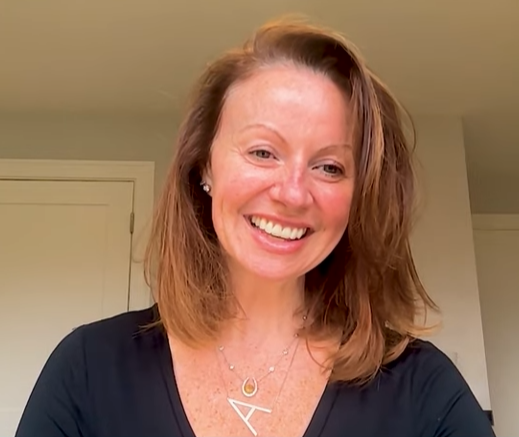
Dr. Amanda O’Keefe is a lifelong horsewoman and experienced amateur exhibitor in the American Saddlebred world. Raised around horses in New Hampshire, Amanda fell in love with Saddlebreds at a young age and has built a life around the breed, the show ring, and the people who make the sport meaningful. Through years of riding, showing, and learning from each horse along the way, she brings a thoughtful perspective on confidence, trainer trust, ring strategy, and the lessons that come from a lifetime in Saddlebreds.